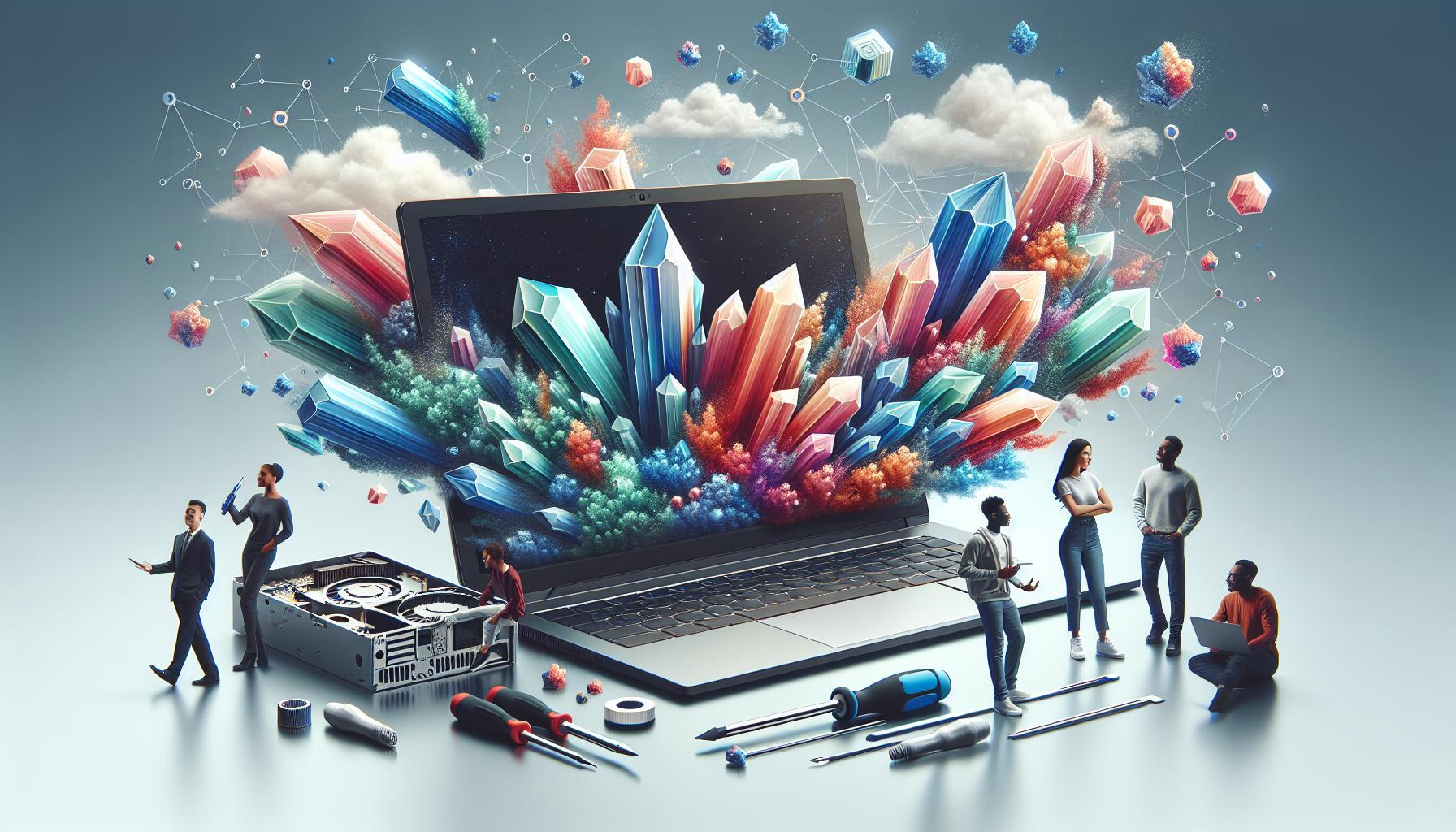

Did you know that, like minerals, computers are composed of fundamental building blocks that transform our world? In “How Is a Computer Like a Mineral? The Surprising Truth,” we’ll explore the unexpected similarities between these two seemingly distinct entities. Both harness the power of essential elements, either in their physical construction or their functional operation, shaping everything from everyday tasks to groundbreaking innovations.
Understanding this connection not only deepens our appreciation for technology but also empowers us to see computers as more than just machines; they’re intricate systems, much like minerals, that play a crucial role in our lives. As we unravel these parallels, you’ll discover how a deeper awareness of these components can enhance your engagement with technology, helping you make informed choices in a digital-driven society. Join us on this fascinating journey to uncover the surprising truths that lie at the intersection of computers and minerals, and unlock a new perspective on the tools we often take for granted.
How Computers Reflect Mineral Properties
The relationship between computers and minerals is both fascinating and fundamental to understanding modern technology. Just as minerals possess distinct properties-such as conductivity, hardness, and structure-computers are designed with specific materials and components that reflect these mineral characteristics. For instance, silicon, a prevalent element found in quartz, is the backbone of computer chips, primarily because of its excellent semiconductor properties. This intrinsic link between minerals and technology highlights how the functionality of computers can be traced back to the earth’s geological treasures.
One crucial aspect of how computers mimic mineral properties lies in the intrinsic attributes of the materials used in their construction. For example, metals such as copper and aluminum are used extensively in circuitry due to their high electrical conductivity, mirroring the conductive properties of certain minerals. Similarly, components like hard drives utilize magnetite, a mineral with magnetic properties, enabling data storage. This clever utilization of mineral properties not only enhances the performance of technology but also allows for greater energy efficiency and durability.
Furthermore, the design principles in both natural and technological structures show remarkable parallels. The crystalline structures found in minerals can inspire the architectural layout of computer chips, where the efficient arrangement allows for optimized performance and heat distribution. Sustainable approaches in technology, such as using recycled minerals for producing electronic components, reflect an understanding of the finite nature of these resources, emphasizing the need for mindful consumption and innovative recycling solutions.
Understanding how computers draw from mineral properties not only deepens our appreciation for technology but also underscores the importance of geological materials in our daily lives. As we continue to innovate, recognizing this symbiotic relationship can lead to more sustainable practices that align technology with the earth’s natural resources.
The Fascinating Connection Between Structure and Function
Every computer we use today is a marvel of engineering, designed to perform complex tasks efficiently, much like how minerals form with distinct structures to serve various roles in nature. Understanding this connection sheds light on how the underlying structure of both computers and minerals influences their functionality. Just as minerals possess unique atomic arrangements that govern their properties-such as conductivity or hardness-computer components are meticulously designed around these same principles to optimize performance and enhance capabilities.
Silicon, the backbone of most computer chips, exemplifies this relationship. Extracted from quartz, this element’s crystalline structure allows it to act as a superb semiconductor. This means it can efficiently control the flow of electricity, making it ideal for processing data. The design of silicon chips, with their intricate layering and precise arrangement, echoes the way naturally occurring minerals like pyrite and galena crystallize in nature. The efficient structure of these chips is vital for modern computing, demonstrating how nature’s designs inspire technological advancements.
Additionally, the materials used in a computer, such as metals and ceramics, draw directly from mineral properties. For instance, copper is frequently used in wiring due to its high electrical conductivity, while aluminosilicate materials are often highlighted in screens for their durability and light transmission characteristics. These choices are not random; they reflect a careful consideration of how the structural attributes of minerals can enhance computer performance. This intrinsic understanding leads to innovations that are not only technologically advanced but also sustainable, as the tech industry increasingly looks toward recycling and repurposing minerals to minimize environmental impact.
As we navigate through technology’s rapid evolution, recognizing the interconnectedness of computer design and mineral properties empowers us to make informed choices-not only as consumers of technology but also as contributors to sustainable practices. Embracing these fascinating relationships invites a deeper appreciation for both our advancements in tech and the invaluable resources that nature provides.
Exploring the Common Foundations of Materials
The intricate relationship between computers and minerals reveals a fascinating intersection of functionality and structure. Every component inside a computer can be traced back to natural materials, each possessing unique characteristics that dictate their use in technology. For instance, the performance of various hardware depends not just on their design but also on the intrinsic properties of the minerals from which they originate. A remarkable example is the use of silicon, derived from quartz, which stands out for its semiconducting abilities. Silicon chips, crucial for processing information, are designed with multiple layers that mirror the natural crystal formations found in minerals.
Moreover, the metals utilized in computer construction, such as copper and aluminum, are chosen for their excellent electrical and thermal conductivity. These materials serve crucial roles in wiring and heat dissipation, ensuring that computers operate efficiently under various conditions. The selection process for these materials highlights how deeply intertwined technology is with geology. Just as minerals like pyrite and chalcopyrite have specific applications based on their structural properties, technology strives to adopt and enhance these natural characteristics for optimal performance.
Understanding these connections empowers consumers to appreciate the technology they use daily. When purchasing a computer, considering the materials used can aid in making informed decisions based on performance, durability, and sustainability. For example, opting for devices that utilize recycled materials may support environmental initiatives by minimizing the need for new mineral extraction. As you navigate through your options, you can align your choices not only with technological advancements but also contribute to a more sustainable practice in today’s digital age.
With each advancement in computer technology, the foundational elements derived from minerals continue to play an indispensable role, reminding us that the evolution of our digital devices is, at its core, a reflection of the world around us.
The Role of Elements in Technology and Geology
The intricate relationship between elements and both technology and geology is more significant than it may seem. Understanding the elements that shape our technological devices brings us closer to grasping their full impact on our lives and the planet. For instance, the semiconducting properties of silicon make it a pivotal component in modern computing, enabling the miniaturization of circuits and the development of powerful microprocessors. This remarkable mineral not only facilitates the transfer and processing of information but also serves as a prime example of how geological materials can be harnessed to create innovations that propel society forward.
In addition to silicon, other elements also play essential roles in the world of technology. Metals like copper and gold are recognized for their superior conductivity, making them vital for circuit boards and wiring in computers. On the other hand, rare earth elements, such as neodymium and dysprosium, are crucial in manufacturing magnets for hard drives and speakers. These elements, though often scarce, highlight the extensive interdependence between natural resources and technological advancements. The selection of these materials is influenced not just by their physical properties but also by considerations of sustainability and environmental impact, pushing industries to explore alternatives and improve recycling methodologies.
Beyond enhancing performance, these elements expose the essence of our technology and remind us of our connection to the Earth. By engaging with the fundamental materials that comprise our devices, consumers can make more informed choices when it comes to purchasing electronics. Selecting products that use sustainable materials or are designed with recycling in mind represents a step towards reducing our collective footprint. As we continue to innovate and integrate technology into our daily lives, recognizing the geological origins of these essential components becomes vital in fostering awareness and responsibility toward our environment and the resources we consume.
Navigating the intersection of technology and geology doesn’t just center on the elements themselves; it’s also about understanding their life cycle and impact. When shopping for technology, consider not only performance but also how the materials were sourced. Supporting brands that prioritize ethical mining practices can encourage a more equitable approach to resource management, demonstrating that the elements of technology and geology are interconnected in profound ways. Each choice we make can reflect a commitment to sustainable practices, ensuring that future generations can continue to benefit from both technological advancements and a healthy planet.
Energy Efficiency: Computers and Minerals Compared
The energy efficiency of computers is closely tied to the minerals and elements that make up their components, highlighting a fascinating interplay between technology and geology. Just as minerals possess unique properties that dictate their uses in various applications, the materials used in computer hardware significantly influence how energy is consumed during operation. Understanding this relationship allows us to appreciate the role of minerals in maximizing energy efficiency and reducing our ecological footprint.
Understanding Energy Efficiency in Computers
Energy efficiency in computing refers to how effectively a computer uses energy to perform tasks. Advanced materials play a crucial role here. For example, silicon, fundamentally used in processors, has excellent semiconductor properties that enable efficient data processing while minimizing heat generation. This characteristic not only enhances performance but also reduces the overall power consumption of devices.
Similarly, the use of conductors like copper, known for its high electrical conductivity, helps minimize power loss during transmission. By improving circuit designs to utilize these materials, manufacturers can create devices that not only run faster but also consume less energy. This shift toward energy-efficient materials is a direct reflection of the broader trend in technology to decrease reliance on fossil fuels and minimize emissions during production and operational phases.
The Impact of Material Selection
In the quest for energy efficiency, manufacturers are increasingly exploring the properties of various minerals and their environmental effects. For instance, while rare earth metals are crucial for high-performance computing-particularly in applications like hard drives and smartphones-they pose significant environmental challenges during mining and processing. Therefore, the focus is moving towards sustainable alternatives, such as biocompatible materials that can enhance performance without compromising ecological integrity.
- Silicon: A key component in transistors, enables efficient data processing.
- Copper: High conductivity reduces energy loss in circuits.
- Rare Earth Metals: Essential for advanced tech, yet pose environmental concerns.
- Biocompatible Materials: Emerging alternatives for sustainable practices in tech.
As we invest in energy-efficient technologies, the synergy between computer science and geology becomes evident. Choosing energy-efficient computers not only contributes to lower electricity bills but also supports environmental sustainability. Every decision regarding material sourcing, production, and design can lead to significant energy savings and a reduced carbon footprint.
Real-world implications are already unfolding, with tech giants prioritizing energy-efficient designs, such as laptops and desktops tailored to use less power during idle times and enhance battery life. Consumers play a crucial role by selecting energy-efficient products that embody these principles, ultimately contributing to a greener future while enjoying the benefits of cutting-edge technology.
How Design Principles Parallel in Tech and Nature
The intricate designs found in nature serve as remarkable inspirations for technological innovations, highlighting the parallels between the fundamentals of natural structures and the design principles of computers. For instance, just as various minerals exhibit unique crystalline forms that optimize their function, technological elements like circuits and processors are crafted to achieve peak performance and efficiency based on their structural properties. This synergy underscores the importance of understanding nature’s designs to enhance our technological advancements.
In nature, efficiency is key. Organisms have evolved structures that minimize resource use while maximizing functionality, much like how computer systems are designed to achieve high performance with minimal energy consumption. For example, the hexagonal structure of honeycombs found in beehives showcases an efficient use of space and materials. In the computer world, integrated circuits utilize similarly efficient layouts to maximize processing power within compact spaces, reducing energy waste while enhancing speed.
Reinforcing this connection, materials science plays a critical role in both domains. The resilience and adaptability of minerals, such as quartz in electronics because of its piezoelectric properties, mirror the utilization of advanced materials in technology. As engineers seek to replicate these natural efficiencies, innovations emerge – think of flexible electronics inspired by the tensile strength of natural fibers. These advancements highlight a commitment to sustainability and performance that resonates with nature’s inherent design philosophies.
The alignment of design principles in technology and nature not only fosters innovation but also promotes a deeper understanding of our ecological responsibilities. By studying the natural world, engineers and designers are encouraged to create products that not only excel in functionality but also prioritize energy efficiency and sustainability. This approach empowers users to make informed decisions when selecting technology, ensuring that they choose devices that harmonize with both efficiency and the environment.
Minerals: The Unsung Heroes in Computer Hardware
Every time you power on your computer, you’re relying on a complex interplay of materials, many of which are derived from minerals. While we often think of minerals as merely geological specimens, their properties are integral to the functionality of modern technology. For instance, silicon, one of the most abundant minerals on Earth, is the backbone of the semiconductor industry. As silicon wafers are sliced, polished, and etched to create integrated circuits, they embody the essence of mineral properties being harnessed to produce cutting-edge technology.
Minerals have versatile roles in computer hardware, with each type offering unique advantages. Here are a few key examples:
- Silicon: Known for its excellent conductivity and ability to form various compounds, silicon is essential in creating transistors and microchips, which are the building blocks of all computers.
- Gallium Arsenide: This compound semiconductor is often used in high-performance electronics due to its superior electron mobility, making it ideal for faster processing speeds.
- Tantalum: Used in capacitors, this mineral helps in energy storage, allowing computers to function smoothly without interruptions.
The interaction between these minerals and their electronic properties demonstrates an intriguing parallel between the natural world and technological advancement. The structural integrity and specific characteristics of minerals enable the development of components that not only perform well but also enhance durability and energy efficiency.
In understanding these connections, it’s clear that the technology we often take for granted is fundamentally linked to the mineral kingdom. By appreciating these unsung heroes, we gain a deeper respect for technological innovations and the natural resources that make them possible. This awareness fosters an informed approach to technology consumption and encourages sustainable practices aligned with our ecological responsibilities.
Analogies in Data Processing and Geological Systems
In the intricate world of data processing, the flow of information remarkably mirrors natural geological systems. Just as rivers carve their paths through landscapes, shaping the world around them, data travels through computers, creating and modifying information in real time. This parallel illustrates how both systems depend on structured pathways-be it the intricate networks of rivers or the complex circuits in our devices.
Computers process data using binary code, a series of 0s and 1s that execute commands, transmit information, and store files. In geology, the movement of elements and minerals follows a similarly structured pathway, often dictated by the laws of physics and chemistry. For example, minerals can be dissolved in water and transported by streams, eventually depositing in new locations as sediment. This process is akin to how a CPU (central processing unit) retrieves and sends data through its internal architecture, making real-time computations based on user inputs.
Comparative Dynamics
An essential characteristic shared by both data processing and geological systems is their dynamic nature. In tech, the processing speed can be likened to the erosion rate of minerals: faster processing speeds enable quicker data execution just as quicker water flow can lead to more rapid erosion. Additionally, both systems exhibit resilience; just as geological formations may withstand environmental changes, computer programs are designed to recover from data loss or corruption, using cached memories or backup systems.
- Data flow: Resembles river systems where various tributaries converge, comparable to inputs from various sources feeding into a single processing unit.
- Information storage: Mirrors sedimentary layers, where each layer represents a version of data, accumulated over time and ready to be accessed when needed.
- Error correction: Reflects geological processes where natural forces rectify erosive changes, akin to software algorithms that detect and fix errors in data transmission.
Recognizing these analogies equips us with a broader understanding of the frameworks that support our technological environment. Understanding how data is managed within a computer can enhance our ability to make informed decisions when using technological tools, inspiring a greater appreciation for both the natural and technological worlds that influence our everyday lives. Just as geology can teach us about the Earth’s past, our computers serve as a lens through which we can analyze and interact with information in innovative ways.
The Environmental Impact of Tech and Mineral Extraction
The extraction of minerals for technology poses significant environmental challenges that cannot be overlooked. With each component of a computer derived from specific minerals, the lifecycle from mining to manufacturing affects ecosystems, air quality, and water resources. For instance, the mining of rare earth elements-crucial for technologies like smartphones and laptops-has profound impacts, including habitat destruction, soil erosion, and the contamination of local waterways due to chemicals used in the extraction process.
Impacts of Extraction Processes
The methods used to extract minerals often involve large-scale operations that disrupt the natural landscape. Open-pit mining, for example, not only damages the immediate environment but also contributes to deforestation and biodiversity loss. The emissions from mining activities can lead to air pollution, which poses health risks to nearby communities. Furthermore, the waste produced in mineral processing can leach toxic substances into the surrounding soil and water bodies, leading to long-term ecological damage.
- Habitat Destruction: The alteration of land prevents native flora and fauna from thriving and can lead to endangered species.
- Water Contamination: Chemicals from mining can seep into groundwater, compromising drinking water quality and affecting aquatic life.
- Air Pollution: Dust and emissions from mining operations contribute to respiratory issues and environmental degradation.
Pathways to Sustainable Practices
Transitioning towards sustainable technologies can mitigate some environmental impacts associated with mineral extraction. Innovations such as recycling existing materials, utilizing alternative substances, and implementing stricter regulations on mining practices can help conserve natural resources effectively. For example, recovering metals from old electronics (e-waste) reduces the need for new mining operations, thus lowering carbon footprints and conserving energy.
By raising awareness about the environmental ramifications of tech production and encouraging responsible consumption, individuals can play a pivotal role in fostering change. Emphasizing the principles of reduce, reuse, and recycle empowers consumers to make informed decisions, driving demand for more sustainable technologies that minimize the dependence on harmful extraction processes.
Applications of Geology in Computer Science
Understanding the intersection of geology and computer science unveils not only practical applications but also innovative solutions that can enhance technology. Minerals, the building blocks of the Earth, are foundational in the creation and enhancement of a wide range of computer technologies. For instance, silicon, a primary component of computer chips, is derived from sand-a mineral. This relationship illustrates how geological materials fuel technological advancements.
Raw Materials and Innovation
The use of minerals in computer science extends beyond silicon. Other elements such as copper, used for wiring, and rare earth metals, critical for creating powerful magnets in hard drives, showcase the need for geological resources in the tech industry. As digital devices become increasingly sophisticated, the demand for specialized minerals rises. This has spurred the development of new mining techniques, focusing not just on extraction but on sustainable management of resources. For example, companies are now exploring eco-friendly methods to extract lithium from brine, necessary for rechargeable batteries.
Geology-Driven Technology Development
Furthermore, geology aids in the advancement of software technologies through the analysis of geological data. Geographic Information Systems (GIS) are used to analyze and visualize spatial relationships, which informs everything from urban planning to resource management. This synergy between geology and computer science fosters innovations that tackle real-world problems, such as climate change and natural disaster preparedness.
Educational Opportunities and Future Trends
Students and professionals in both fields can benefit from interdisciplinary learning. Programs that combine geology and computer science can empower individuals to create new technologies that minimize environmental impact while maximizing efficiency. Emerging fields like environmental informatics leverage geological data to promote sustainability in tech-which is imperative in light of ongoing environmental challenges.
By recognizing the role of geological materials in computer science, we pave the way for creative solutions and sustainable practices-allowing us to create a future where technology not only thrives but also respects and preserves our planet’s resources.
Emerging Trends: Biocomputers and Natural Materials
Imagine a future where computers are constructed not merely from traditional silicon or metal, but from living cells and natural materials. This vision is not as far-fetched as it may seem, as emerging trends in biocomputing are set to revolutionize the tech landscape. By merging concepts from biology and computer science, biocomputers promise innovations that go beyond mere processing power-they respect our planet’s resources, offering sustainable alternatives to conventional computing practices.
What Are Biocomputers?
Biocomputers are systems that utilize biological components-such as proteins, DNA, or even entire living cells-to process information. Unlike traditional computers that rely solely on silicon chips, biocomputers capitalize on the unique properties of biological materials, allowing for potential applications that are not only efficient but also eco-friendly. For instance, *DNA computing* can perform calculations and store data at a density unimaginable with current silicon technology. This results in significantly reduced electronic waste and energy consumption, aligning technology more closely with natural processes.
Natural Materials in Tech
The shift towards natural materials such as *cellulose* from plant fibers or *chitosan* from shellfish is helping to create components that interact seamlessly with biocomputers. These materials are biodegradable, meaning that the products made from them can decompose naturally, mitigating the environmental impact that typically accompanies electronic waste. Here are a few examples of how natural materials are being integrated into technology:
- Bio-plastics: Used for casing and components, bio-plastics are derived from renewable biomass sources, reducing reliance on fossil fuels.
- Living cells in circuits: Research shows that integrating living cells into electronic circuits can lead to designs that adapt and respond to their environment, similar to biological systems.
- Biomimetic sensors: Sensors that mimic the function of human senses, such as smell or taste, are being developed using natural frameworks, offering more responsive and efficient alternatives.
The Outlook for Biocomputing
As we look towards the future, the integration of biocomputing and natural materials is set to redefine what technology can accomplish. Not only do these innovations promise to enhance computing power and efficiency, but they also pave the way for more sustainable practices in tech development. Educational institutions are beginning to offer interdisciplinary programs that focus on biocomputing, providing students with the skill set necessary to drive this change.
Incorporating biological principles into tech development reimagines the relationship between humans, technology, and the environment, emphasizing a synergy that can lead to a healthier planet. By embracing these emerging trends, individuals and organizations can become part of a transformative movement that aligns technological advancement with environmental stewardship, encouraging creativity and growth in both arenas.
Future Possibilities: Merging Tech with Natural Resources
Imagine a world where the technologies we rely on every day are as inherently sustainable as the minerals found deep within the Earth. The potential for merging tech with natural resources opens up a myriad of exciting possibilities, pushing the boundaries of what we consider possible in computing. This fusion not only involves the repurposing of existing materials but also the discovery and innovative use of new sources derived from nature itself. As society seeks to mitigate environmental impacts while advancing technological capabilities, the incorporation of minerals and biological components could lead to more efficient, durable, and eco-friendly devices.
One of the most promising developments is the use of bio-minerals in computer hardware. These naturally occurring materials can provide unique attributes such as natural insulation, strength, and conductivity. For instance, materials like graphene-often derived from graphite, a mineral-are already making waves in the tech world due to their exceptional conductivity and strength. Researchers are exploring how these minerals can be incorporated into circuits and as substrates for growing biological components, allowing for more integrated systems that function on both biological and electronic principles.
Another emerging field is the creation of bio-composite materials, which blend organic matter with high-performance minerals. Such materials can be used for everything from biodegradable casings for devices to structural components in computing systems. By leveraging the natural properties of both biological and mineral resources, these composites not only reduce reliance on conventional plastics and metals but also create a circular economy centered around sustainability. For example, using plant-based materials reinforced with minerals could yield devices that are strong, lightweight, and biodegradable at the end of their life cycle.
As we move forward, it’s essential for innovators and consumers alike to prioritize technologies that respect and utilize natural resources responsibly. Therefore, investing in research that promotes the synergy between tech and minerals can lead to breakthroughs that redefine manufacturing processes and product lifespans. Education and advocacy for sustainable technologies will empower individuals to make informed decisions about the products they support, creating a demand for responsible computing and mineral use that could set the standard for the future. Embracing these possibilities not only reiterates the intrinsic link between technology and nature but also sets the stage for a more sustainable and harmonious coexistence.
FAQ
Q: How do minerals influence computer technology?
A: Minerals play a critical role in computer technology by providing essential materials for hardware components. Elements like silicon are foundational to semiconductors. Understanding these mineral properties can enhance energy efficiency and performance in computing devices. For more insights, see the section on “The Role of Elements in Technology and Geology.”
Q: What parallel design principles exist between computers and minerals?
A: Computers and minerals share design principles such as structure and functionality. Just as mineral structures determine their properties and uses, the design architecture of computers affects their performance. Exploring these analogies can reveal innovative approaches to technological advancements.
Q: Why are minerals considered unsung heroes in computer hardware?
A: Minerals are often overlooked, yet they provide vital resources for computer hardware. Components like processors and circuit boards rely on minerals for conductivity and durability. Acknowledging their importance can lead to sustainable sourcing practices in the tech industry, as discussed in “Minerals: The Unsung Heroes in Computer Hardware.”
Q: How does the energy efficiency of computers compare to minerals?
A: Computers can achieve high energy efficiency through material design derived from mineral properties, such as thermal conductivity. Investing in energy-efficient technologies helps reduce both operational costs and the environmental impact of mining and manufacturing. For further details, refer to “Energy Efficiency: Computers and Minerals Compared.”
Q: In what ways can geology benefit computer science?
A: Geology offers valuable insights into resource extraction and materials science, enhancing computer technology. By leveraging geological knowledge, engineers can improve the sustainability and efficiency of computer production. Check the section “Applications of Geology in Computer Science” for examples and applications.
Q: What are biocomputers, and how do they relate to minerals?
A: Biocomputers utilize organic materials, often derived from mineral-rich environments, to perform computing tasks. Their development is an exciting trend bridging technology and natural resources, promoting sustainability. For a deeper dive, explore “Emerging Trends: Biocomputers and Natural Materials” in the article.
Q: How can I implement environmentally friendly practices in tech use?
A: To implement eco-friendly practices, consider sustainable product sourcing, reduce electronic waste through recycling, and optimize energy usage in your devices. Incorporating minerals responsibly in tech can significantly lessen environmental impact, as outlined in “The Environmental Impact of Tech and Mineral Extraction.”
Q: Why is analog processing compared to geological data systems?
A: Analog processing mimics geological systems by utilizing continuous signals, similar to how geological processes operate. This analogy can inspire innovative computing designs that improve the efficiency of data handling and analysis. For further exploration, see “Analogies in Data Processing and Geological Systems.”
In Summary
As we uncover the fascinating parallels between computers and minerals, it’s clear that both are fundamental to modern technology, interwoven in surprising and essential ways. If you’re captivated by this exploration, don’t miss our related articles on “The Role of Metals in Computer Hardware” and “How Minerals Are Processed for Tech Use.” These topics can deepen your understanding and provide further insights into the tech world.
If you enjoyed this content, consider subscribing to our newsletter for the latest updates or sharing this article with friends who might find it intriguing. Your thoughts matter to us, so feel free to leave a comment below with your insights or questions. Stay curious-this journey through technology doesn’t have to end here! Explore more as we continue to dissect the incredible world around us, and remember, knowledge is the key to unlocking your potential in the digital age.