


Did you know that the first Apple computer was priced at just $666.66? Despite its hefty price tag for the era, this groundbreaking device, the Apple I, paved the way for the personal computing revolution we know today. Understanding the cost of the original Apple computer reveals not just its historical significance but also highlights the evolution of technology and pricing in the tech industry.
As you explore the fascinating journey of Apple’s first foray into computing, you might find yourself wondering how the value placed on technology has transformed over the decades. This inquiry not only satisfies your curiosity but connects to current discussions on affordability and innovation in today’s tech landscape. Join us in uncovering surprising facts about this iconic device and the impact it had on the way we view computers, paving the way for the technology that has become an essential part of our daily lives.
The Original Price of the First Apple Computer
The launch of the first Apple computer, known as the Apple I, in 1976 was a watershed moment in the history of personal computing. Priced at $666.66 for a fully assembled unit, it became a symbol of innovation and an entry point into the burgeoning tech landscape. This price was not only a reflection of the costs associated with its production but also indicative of the unique market position Apple aimed to carve out. While this price may seem relatively low by today’s standards, adjusting for inflation gives a clearer picture-equating to about $3,000 in today’s dollars.
At its release, the Apple I was marketed towards hobbyists and developers who were eager to explore the emerging field of computing. This strategic pricing set Apple apart from other offerings at the time, effectively positioning the Apple I as an accessible yet powerful tool for those interested in the potential of computers. Most competitors were still churning out kits that required users to assemble their own devices from bare-bones components, which only appealed to a niche market of technically savvy individuals.
Moreover, the cost of the Apple I encompassed significant aspects of its design and functionality. It featured a keyboard and a monitor interface, allowing users to engage with the computer immediately upon purchase, something that was not commonly available in other models. Such convenience played a crucial role in fostering a community of early adopters who sparked the initial wave of interest in personal computing. It illustrates how innovative price strategies could successfully navigate market dynamics and consumer expectations, setting the stage for future technological advancements.
This approach not only resonated with consumers but also allowed Apple to establish a foundation that would support its growth in the coming decades. By understanding the implications of price on consumer behavior and market positioning, Apple cleverly transformed what began as a simple hobbyist machine into a cornerstone of modern computing.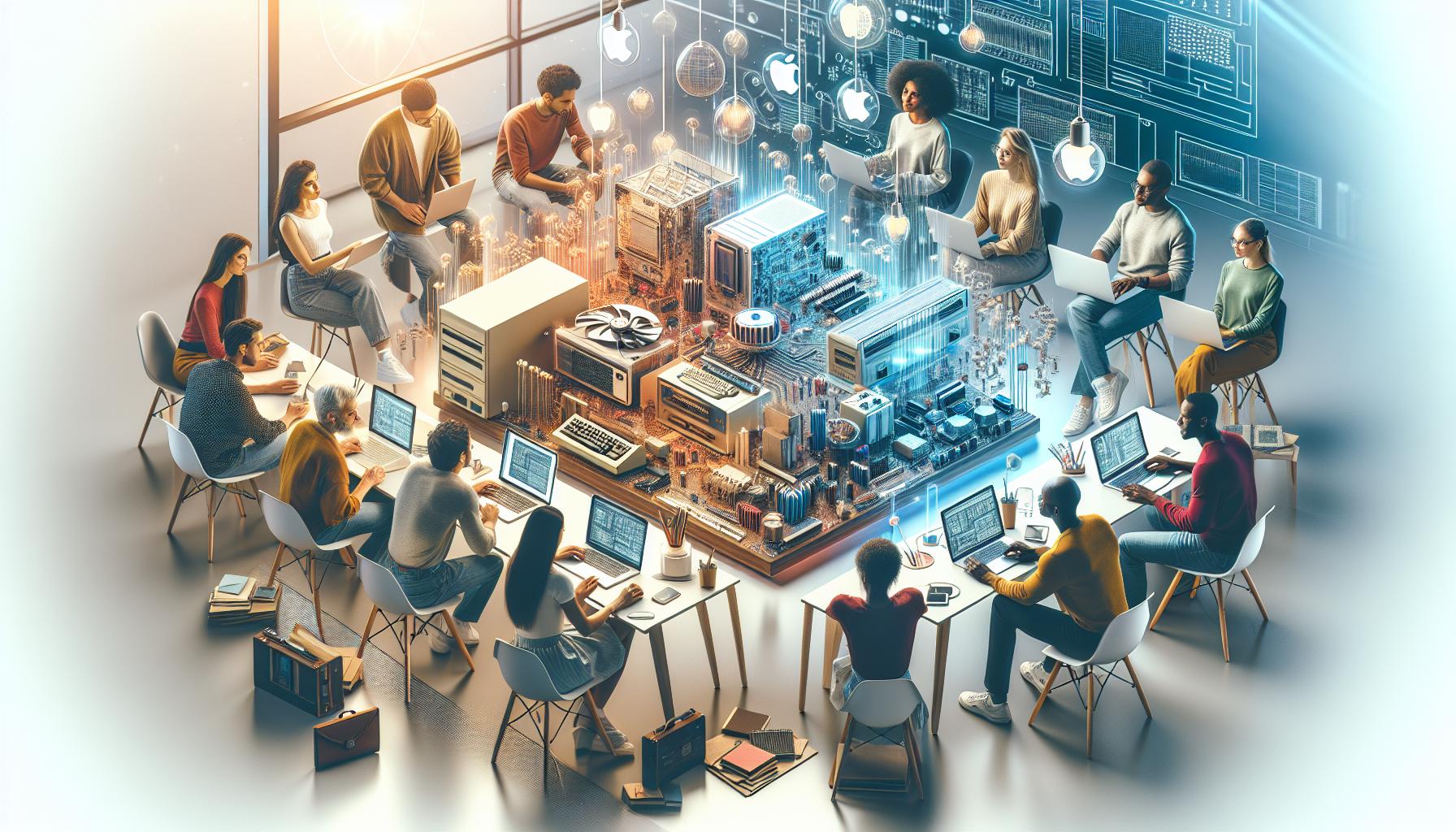
Factors Influencing the Cost of Early Apple Computers
The price of the first Apple computer, the Apple I, was significantly influenced by a multitude of factors that drove its valuation in 1976. Understanding these elements not only sheds light on its original price but also provides insights into the early days of personal computing emerged from a nascent tech landscape.
One of the primary influences on the cost was the component sourcing. The Apple I was built using high-quality parts, such as the MOS Technology 6502 microprocessor and a motherboard designed to facilitate easy connections for peripherals like keyboards and monitors. In an era when many competing products were sold as bare-bones kits requiring extensive assembly, the Apple I’s fully assembled nature commanded a premium. This convenience attracted a broader audience beyond just hobbyists, tapping into a growing market craving user-friendly technology.
Moreover, the pricing strategy adopted by Apple co-founders Steve Jobs and Steve Wozniak played a crucial role. They chose a price point of $666.66 which, while seemingly unusual, was likely a calculated decision rather than a whimsical one. This choice reflected a desire to align closely with the industrial pricing trends of the time, catering to a niche clientele while also making the Apple I appear as a technologically sophisticated product. Additionally, the distinctive pricing strategy helped to brand Apple as a bold innovator in a crowded market.
Other factors included the economic landscape and competitive environment. In the mid-1970s, consumer electronics were still evolving; early adopters faced a limited range of options, and personal computers were seen as luxury items. As such, the Apple I targeted an audience at the intersection of technical enthusiasm and financial capability. The ability to quickly connect to a keyboard and monitor made the Apple I not just a product but an entry point into the burgeoning world of computing, validating the investment in the eyes of its consumers and ensuring that the price was viewed as justified.
Ultimately, the convergence of quality components, strategic pricing, and an understanding of consumer needs contributed to the Apple I’s initial cost. It illustrated an early example of how market positioning and customer perception heavily influence pricing in technology, a principle that continues to hold true today.
Comparing the Price: Apple I vs. Competitors
The launch of the Apple I was a revelation in the realm of personal computing, notably marked by its price of $666.66. To really grasp the significance of this figure, it’s essential to compare it to the offerings of competitors during the mid-1970s. At the time, personal computers were in their infancy, with many options primarily catering to hobbyists and tech enthusiasts.
When examining the Apple I against its closest rivals, such as the Altair 8800 and the various models of the Heathkit, the differences in pricing and functionality become apparent. The Altair 8800, which is often credited with sparking the home computer revolution, had a base price of around $439 for a kit that required substantial assembly and had limited functionality. On the other hand, the Heathkit H8, which was marketed for its educational purposes, started at about $495 but also required significant assembly and additional purchases to become fully functional.
What set the Apple I apart was not merely its price but the convenience it offered. Unlike these other systems, the Apple I came fully assembled, allowing users to plug it into a power source, attach a keyboard and monitor, and start using it almost immediately. This ease of use made it an attractive option, particularly for those who might not have the technical skills or inclination to build their own computer from a kit. Additionally, the inclusion of a video display interface was revolutionary, as it allowed users to see output in a more user-friendly manner compared to the simple LED displays of its competitors.
While Apple’s pricing strategy might have seemed high for the time, considering the features and user experience offered, it quickly became evident that the Apple I was not just another computer; it was an entry point into a new digital era. This smart positioning helped Apple carve out a market presence that laid the foundation for its renowned legacy in computing and innovation. The comparative advantage of the Apple I was therefore not just in its pricing but in the value it delivered to its users, something that echoes in contemporary tech marketing strategies where user experience is prioritized alongside cost.
Rare Insights: What Made the Apple Computer Unique
The Apple I was not just another personal computer; it represented a significant leap forward in the way people interacted with technology. One of its standout features was the fully assembled design. Unlike most computers of the era that arrived as kits demanding extensive technical know-how and assembly skills, the Apple I invited users to dive right into computing. Plugging it in, attaching a keyboard and monitor, and beginning to work was as simple as flipping a switch-a revolutionary notion in a time when most systems were daunting to the average consumer.
Another unique aspect of the Apple I was its user-friendly video display interface, which allowed for more straightforward engagement than the more primitive LED indicators of competing products. This feature meant that users could actually see their work displayed on a screen, a far more intuitive experience compared to other systems requiring decoding blinking lights to understand programming results. This innovation was appealing not only to hobbyists but to a broader audience that included educators and business users, vastly expanding the potential market for personal computing.
In addition, Apple’s commitment to ease of use and functionality set a new standard in the industry. The Apple I came equipped with a BASIC programming language interpreter, empowering users, including those without coding backgrounds, to write simple programs and engage more directly with the computer. This combination of accessibility and capability transformed perceptions of personal computers from niche hobbyist tools into practical assets in any home or office.
Finally, the aesthetic appeal of the Apple I shouldn’t be overlooked. Its design was sleek and visually approachable, unlike many of its boxy and utilitarian counterparts. This attention to design helped solidify Apple’s reputation for creating not only effective but attractive technology-a principle that continues to hallmark their products today. The Apple I wasn’t just a machine; it symbolized a vision of the future and transformed how individuals viewed the potential of computing in everyday life.
Historical Context: The Tech Landscape in 1976
In 1976, the technology landscape was poised on the brink of a major transformation, characterized by a growing interest in personal computing. The era was marked by significant developments, yet the concept of a computer for the average consumer was still relatively novel. At the time, most computers were bulky, expensive, and primarily used in corporate environments, universities, and governmental bodies. The few hobbyists who ventured into computing often assembled their own machines from kits, which required a level of technical expertise that limited accessibility.
Consider the setting: the early 1970s had seen the introduction of microprocessors, which laid the groundwork for more compact and affordable computing solutions. Companies like IBM and DEC dominated the market with mainframes and mini-computers that filled entire rooms. However, as innovations advanced, it became clear that the future lay in empowering individuals with technology. The Apple I was developed against this backdrop, offering a radical shift by presenting a fully assembled system that could easily connect to a monitor and keyboard, challenging the status quo of computing.
The release of the Apple I in July 1976 excited not just tech enthusiasts but also visionaries who saw the potential for computers to transition from hobbyist devices to everyday tools for learning, entertainment, and productivity. The Apple I’s introduction was timely, coinciding with the rise of the DIY movement in technology, where individuals sought to engage more creatively and actively with computing. This environment fostered a community of users who were not just consumers but also creators and innovators.
The implications of the Apple I’s pricing strategy were profound. At a cost of $666.66, it sat at an intersection of accessibility and investment for the budding home computer user, competing with kits and more complex systems that often ran twice as much. As personal computing began to democratize, the seeds of a tech revolution were sown, empowering everyday people and setting the stage for future innovations that would define the coming decades.
Adjusting for Inflation: The True Cost Today
In 1976, the Apple I was priced at $666.66, an interesting choice reflecting both a playful nod to popular culture and a strategic pricing decision aimed at early adopters. To understand the true cost of this revolutionary device today, we must consider inflation and how market dynamics have shifted over nearly five decades. Using the U.S. Bureau of Labor Statistics’ Consumer Price Index (CPI), we can calculate that the equivalent cost of the Apple I today is approximately $3,000. This figure provides a compelling perspective, highlighting the significant financial investment that early personal computers required, akin to purchasing a high-end modern laptop or desktop system.
It’s essential to note that while the nominal price of personal computers has dropped significantly, the technology they offer today is vastly superior. In 1976, buyers received a basic system that required substantial technical knowledge to tweak and optimize, whereas modern computers come ready to use with advanced features and comprehensive support. Apple’s initial pricing strategy not only positioned the Apple I as an accessible option compared to competitors but also set the stage for the consumer electronics market, creating a burgeoning demand for personal computing that would shape future pricing trends.
Furthermore, as vintage collectors and tech enthusiasts continue to celebrate the Apple I, the collector’s market sees prices for fully operational units reaching upwards of $1 million at auctions. This astounding value contrasts with initial pricing and illustrates how the cultural and historical significance of the Apple I has transformed it into a rare artifact. Thus, when adjusting for inflation and considering the context of the market, the Apple I represents not just an early computer but a catalyst for the personal computing revolution, reinforcing its lasting legacy in technology history.
Collector’s Market: The Value of Vintage Apple I
The value of the vintage Apple I computer has skyrocketed over the years, captivating collectors and technology enthusiasts alike. Originally sold for $666.66, a price that seemed whimsical at the time, the Apple I is now considered a prized relic of computing history, with fully operational units fetching upwards of $1 million at auction. This remarkable increase in value is not just about nostalgia; it reflects the Apple I’s significant role in paving the way for the personal computing revolution.
Factors Driving Value
Several factors contribute to the high market value of the Apple I. Firstly, its rarity plays a crucial role; only approximately 200 units were originally built, and many have not survived the test of time. Collectors seek items that not only boast historical significance but also carry stories of innovation and complexity. Additionally, the early adoption of the Apple I by hobbyists and entrepreneurs of that era has created a rich narrative around its legacy, further enhancing its desirability.
Collector’s Responsibility
For those interested in entering the collector’s market, diligence is key. Authenticity is paramount-checking for original components, documentation, and even keeping the device in pristine condition can significantly influence value. Buyers should also consider seeking reputable auction houses or platforms dedicated to vintage electronics to facilitate their purchase. Being informed about market trends and knowing the provenance of a unit can prevent overspending on items that may not hold the expected value.
In summary, the vintage collector’s market for the Apple I illustrates how technology can transcend its initial purpose to become a valued artifact, a symbol of innovation, and a nostalgic reminder of the origins of personal computing. As demand continues to grow, investing in such historical technology not only serves as a passion project but also as a potential smart financial decision.
Impact of the First Apple Computer on Future Pricing
While the Apple I was initially priced at $666.66 in 1976-a number that now bemuses many-it laid the foundation for how technology pricing evolved in the decades that followed. This first iteration of personal computing was not just a product; it was a catalyst that influenced market dynamics and consumer expectations for tech pricing. As the personal computer market expanded, the pricing strategies began to echo the initial charm of the Apple I but were also firmly rooted in evolving technology and consumer demand.
The distinctiveness of the Apple I as a DIY kit at a relatively low entry cost spawned a wave of innovation that prompted competitors to rethink their pricing structures. For instance, as companies like IBM entered the fray, the prices climbed dramatically, reflecting the shift towards more robust, capable systems rather than DIY projects. The Apple I demonstrated that consumers were willing to embrace computing, but as technology advanced, the expectation shifted toward more refined, integrated systems-a trend that increased average prices.
Today, the nostalgia around the original Apple I doesn’t just dwell in its revolutionary technology; it prompts collectors and enthusiasts to assess how much historical significance influences pricing. Units that once retailed for less than a thousand dollars are now auctioned for seven figures, illustrating a fascinating juxtaposition between initial value and legacy appreciation. In the collector’s market, items that embody a pivotal turn in technology tend to appreciate significantly, in part due to the stories they tell-stories initiated by the Apple I.
Ultimately, the impact of the Apple I on future pricing extends beyond simple economics; it reshaped consumer behavior and expectations around technology as it became more mainstream. The pricing of modern computers reflects both the technological advancements that have occurred since 1976 and the cultural value placed on pioneering devices like the Apple I, which continue to captivate and inspire subsequent generations in the tech industry.
Memorable Features of the First Apple Computer
The original Apple computer, the Apple I, was a groundbreaking device that introduced several memorable features that set it apart from its contemporaries. Launched in 1976, this personal computer made waves with its innovative approach and accessibility. One of the standout aspects was its engineering as a fully assembled motherboard-a rarity for the time, as most home computers came as kits requiring complex assembly. This design decision facilitated ease of use, making it more approachable for hobbyists and novices alike.
Additionally, the Apple I featured a keyboard input and support for a video display, allowing users to interact with the computer in a more user-friendly way. This was a significant departure from other early computers, which often relied on punch cards or rudimentary input methods. The incorporation of a cassette interface for data storage was another innovative touch, enabling users to save their work more conveniently than relying solely on paper tape or direct entry.
The impact of the Apple I went beyond its technological features; it offered a glimpse into the potential of personal computing. Its pioneering spirit inspired many future developments in the industry. Apple co-founders Steve Jobs and Steve Wozniak created a device that not only catered to tech enthusiasts but also laid the groundwork for future innovations in user interface design and accessible computing. Their vision resonated with consumers, positioning the Apple I as the starting point for a revolution in personal technology that would shape the landscape for years to come.
In summary, the Apple I’s memorable features-the fully-assembled motherboard, keyboard and video display support, and innovative data storage methods-transcended its era and transformed consumer expectations. This combination of practical functionality and visionary design solidified its place in history as a catalyst for the personal computing revolution.
Lessons from the Apple I: Tech Development Over Time
The advent of the Apple I in 1976 marked a turning point in technology, not merely for personal computing but for the entire tech landscape. It taught us invaluable lessons about innovation, user experience, and adaptability-principles that remain vital today. As technology rapidly evolves, reflecting on these lessons can help us navigate current and future advancements more effectively.
One significant lesson from the Apple I is the importance of user accessibility. The design choice to offer a fully assembled motherboard, contrasting with other DIY kits at the time, was revolutionary. This commitment to ease of use not only attracted hobbyists but also appealed to everyday users unfamiliar with complex assembly processes. Today, whether creating apps, gadgets, or software, ensuring that products are user-friendly and approachable should be a top priority for developers and companies.
Embracing Innovation
The Apple I exemplifies the need for continuous innovation. Jobs and Wozniak didn’t just create a product; they envisioned a future where technology would be integral to daily life. This spirit encourages current creators to think beyond immediate functionality and to envision broader applications of their tech. As we see the rise of smart homes and AI, the challenge remains to innovate responsibly and thoughtfully, ensuring these advances serve humankind’s best interests.
Another vital lesson is agility in response to market needs. The Apple I’s success can be traced back to its adaptability in addressing user requirements, such as offering a cassette interface for data storage. In today’s fast-paced tech environment, the ability to quickly iterate based on user feedback is crucial. Companies that listen to their customers can pivot their offerings to meet desires more closely, distinguishing themselves in a crowded marketplace.
Inspiration for Future Generations
Lastly, the narrative of the Apple I inspires future generations to pursue technology with curiosity and passion. It symbolizes the power of visionaries who dared to deviate from the norm and create something groundbreaking. This encourages aspiring developers, entrepreneurs, and engineers to embrace their ideas and recognize that even the most revolutionary concepts can start from a simple desire to change the world.
By reflecting on these lessons from the Apple I, we gain insights into the essence of technological progression. Fostering innovation, prioritizing user experience, remaining adaptable, and inspiring future generations are key tenets that can guide the creation of impactful technology moving forward. These principles not only enhance product design but also enrich our collective experience with technology, leading to a more engaged, informed, and empowered society.
Consumer Reactions: How the Price Affected Sales
The release of the Apple I in 1976 at a price of $666.66 sparked significant reactions from potential consumers, serving as both a point of intrigue and a barrier for many. At a time when the average personal computer was still a new concept, this price point presented an enticing yet complicated proposition for buyers. Notably, the cost was relatively low compared to other computers available, yet it still represented a significant investment for hobbyists and consumers. The odd pricing also instigated discussions and curiosity among early computer enthusiasts, ultimately contributing to its cult status.
Despite its relatively accessible price, the Apple I was not without its detractors. Many potential buyers were turned off by the notion of complex assembly, which was a common scenario in the nascent days of personal computing. Although the Apple I was sold as a fully assembled motherboard, it still required users to purchase essential peripheral devices like a keyboard and monitor separately. This unpredictable additional cost led to initial hesitation amongst those who were uncertain about the benefits of venturing into the burgeoning world of personal computing.
As consumer reactions began to crystallize, it became evident that the price played a crucial role in shaping early sales. Apple’s strategic pricing not only positioned the Apple I as an affordable option among PRIMarily DIY kits but also attracted a burgeoning community of tech enthusiasts. Those who were eager to explore the possibilities of personal computing were willing to overlook the initial reluctance and invest in what they perceived as the future. The grassroots marketing through word-of-mouth and forums contributed to a sense of excitement, ultimately leading to the Apple I moving enough units to lay the groundwork for what would become a massive technological revolution.
Consumer feedback remained vital as Apple evolved its product line. The initial success of the Apple I made it clear that while pricing was crucial, functionality and user-friendliness were equally important. By paying attention to what early adopters appreciated and critiqued, Apple was better equipped to innovate and refine the user experience in subsequent models. Thus, the Apple I not only represents an early milestone in computing history but also serves as a lesson in how price points, user experience, and responsiveness to consumer needs can dramatically influence product adoption in any market.
Exploring the Legacy: The Apple I’s Role in Innovation
The Apple I stands as a pivotal moment not just in Apple’s history, but in the evolution of personal computing as a whole. Launched in 1976, this groundbreaking machine not only set the stage for future innovations but also redefined how we view technology in everyday life. Unlike many other computers of the time, which were often complex and inaccessible to the average user, the Apple I was designed with affordability and usability in mind, laying the groundwork for future developments in user-friendly technology.
One of the most significant contributions of the Apple I to the landscape of innovation was its built-in, fully assembled motherboard, which eliminated the daunting assembly process associated with most kits available at the time. Users were no longer required to possess extensive technical knowledge to enjoy the benefits of personal computing. This focus on reducing complexity not only expanded the market for computers but also inspired subsequent products to prioritize user experience, leading to the development of machines that catered to a broader audience. By prioritizing design and ease of use, Apple set a standard that competitors would follow, ultimately shifting the industry toward more consumer-oriented products.
The impact of the Apple I extended beyond hardware; it was also instrumental in shaping the burgeoning software landscape. As users acquired computers, the demand for software applications grew, and developers began to recognize the potential for creating tools that aligned with user needs. This burgeoning community of developers and tech enthusiasts sparked an innovation feedback loop, where user input directly influenced the evolution of new software and hardware, eventually leading to the sophisticated ecosystems we enjoy today.
Furthermore, the Apple I’s role in innovation can be observed in its lasting resonance within tech culture. With its iconic status among collectors and enthusiasts, this early computer continues to inspire interest and appreciation for vintage computing. It serves as a reminder of the ingenuity that triggered a technological revolution and highlights the importance of creativity in problem-solving. As current and future innovators look back at milestones like the Apple I, they find motivation to push boundaries, invent new solutions, and engage in the same adventurous spirit that defined the early days of personal computing.
Ultimately, the legacy of the Apple I is a testament to the power of innovation rooted in accessibility, user experience, and community engagement. Its influence is felt not just in its immediate aftermath but also as a catalyst for the ongoing evolution of technology, inspiring future generations to pursue creative solutions and rethink what is possible.
Frequently Asked Questions
Q: How much did the first Apple computer, the Apple I, cost at launch?
A: The Apple I was launched in 1976 with an original price of $666.66. This price was set primarily due to component costs and aimed to attract early adopters who were interested in the emerging personal computing market.
Q: Why was the price of the Apple I considered significant at the time?
A: The price of the Apple I was significant because it marked a shift in the affordability of computing. Unlike other computers available that were much more expensive, the Apple I opened up personal computing to enthusiasts and hobbyists, influencing the tech landscape.
Q: How does the cost of the Apple I compare to today’s prices after adjusting for inflation?
A: When adjusted for inflation, the original price of the Apple I would be roughly equivalent to around $3,000 today. This highlights how early personal computers were still considered luxury items despite their innovative technology.
Q: What factors influenced the cost of early Apple computers like the Apple I?
A: Several factors influenced the cost of the Apple I, including component availability, manufacturing processes, and Markters’ targeting of tech-savvy consumers. The choice to sell the computer as a kit for assembly helped maintain a lower price.
Q: What are some unique features of the Apple I that justified its price?
A: The Apple I included a single-board design allowing for easier assembly and repair, a built-in video interface, and the use of a keyboard. These features were groundbreaking at the time and contributed to its appeal among computer enthusiasts.
Q: How did consumer reactions influence the sales of the Apple I?
A: Consumer reactions were mixed; while tech enthusiasts appreciated its innovation, some potential buyers were put off by its price. Over time, positive word-of-mouth among users helped boost its sales despite initial hesitations.
Q: What impact did the Apple I have on the pricing of future computers?
A: The Apple I set a precedent in the pricing of personal computers, demonstrating that there was a viable market for affordable computing. This led to more competition and innovation in pricing strategies in the following years.
Q: How valuable is the Apple I in the collector’s market today?
A: Today, the Apple I is highly sought after by collectors, often selling for hundreds of thousands of dollars at auctions. Its rarity and historical significance have greatly inflated its value over the decades, highlighting its landmark status in computing history.
Future Outlook
As we’ve discovered, the cost of the first Apple computer reveals much about the innovative spirit that defined the early days of technology. This fascinating look back not only answers the question of how much that groundbreaking machine cost but also underscores Apple’s commitment to pushing boundaries. If you’re intrigued by the evolution of computers or want to dive deeper into the stories behind iconic tech milestones, check out our articles on the history of personal computing and the best tech investments of the decade.
Don’t miss the chance to stay updated on the latest insights! Subscribe to our newsletter for exclusive content and expert tips that can empower your tech journey. Have questions or insights? We’d love to hear from you-drop a comment below, and join the conversation! Remember, your next adventure in technology is just a click away, so explore our site for more enlightening reads and resources.


