
In today’s fast-paced digital world, having a laptop that perfectly fits your needs can enhance productivity and overall satisfaction. The HP Build Your Own Laptop program allows you to customize a machine tailored specifically to your requirements, whether for work, gaming, or creative projects. With options to select components like processors, memory, and storage, you can create a dream machine that truly reflects your lifestyle.
Are you tired of settling for out-of-the-box solutions that don’t cater to your unique needs? This guide will walk you through the essential steps to build a laptop that doesn’t just meet expectations but exceeds them. From understanding various components to assembling your machine, we’ll demystify the process, empowering you with the knowledge to create a powerful device. Dive in and discover how to take control of your technology and design a laptop that’s all yours!
HP Build Your Own Laptop: Unlock Your Customization Potential
Exploring the world of custom laptop building opens a pathway for creativity and personalization that can cater to individual needs and preferences. With HP’s flexible configurations, users can mix and match components to create a machine that not only meets their performance standards but also reflects their personal style. Whether you are a gamer looking for top-tier performance, a professional in need of power for graphic design, or a casual user searching for a reliable everyday laptop, building your own HP laptop can be a fulfilling venture.
When starting on this customization journey, it’s important to understand which components influence performance the most. Consider the primary elements-like the CPU, GPU, and RAM-that will largely impact how well your machine performs under various tasks. HP offers various options, enabling users to prioritize aspects that matter the most to them. For instance, if you plan to run intensive applications or play demanding games, focusing on a powerful GPU should be a priority. Simultaneously, ensure the CPU can handle multiple tasks efficiently. Use HP’s official resources and guides to help make informed choices tailored to your specific usage scenarios.
Don’t overlook the aesthetic aspect of your custom laptop. Choosing the right color, lighting, and design elements not only enhances the look but also makes the laptop feel uniquely yours. HP allows for some customization in design, and pairing this with the perfect technical specifications will give you a machine that performs exceedingly well and matches your personality.
Assembling your customized laptop might seem intimidating, but remember, there are plenty of resources available, including detailed how-to guides and community support forums. HP’s commitment to user empowerment means you’re not alone in this process. With confidence, you can explore the customization options, ensuring your final product is a true reflection of your needs and style-all while delivering the performance you require.
Choose the Perfect Components for Your Needs
Choosing the right components for your laptop can feel overwhelming, but it’s also an exciting opportunity to tailor a machine to your exact specifications. The right combination of parts can enhance your productivity, boost gaming performance, and create a seamless user experience-whether you’re working on demanding applications, playing the latest games, or simply browsing the internet. By understanding what the various components do and how they interact, you can make informed decisions tailored to your needs.
Core Components to Consider
When selecting your laptop’s components, focus on these essential parts:
- Processor (CPU): Your CPU is the brain of your laptop, determining how fast and efficiently it can perform tasks. Choose a processor that matches your workload-Intel Core i5 or i7 for general use and gaming, or AMD Ryzen 5 or 7 for a balance of performance and power efficiency.
- Graphics Card (GPU): Crucial for gaming and graphic design, a dedicated GPU (like NVIDIA’s RTX series or AMD’s Radeon) will significantly improve performance in graphically demanding tasks. If your use is predominantly productivity-focused, integrated graphics may suffice.
- Memory (RAM): For smooth multitasking, opt for at least 8GB of RAM for everyday tasks and 16GB or more for intense gaming or professional applications such as video editing.
- Storage: SSDs offer faster load times, while HDDs provide more storage space at a lower cost. Consider a hybrid approach, using an SSD for your OS and main applications while opting for an HDD for bulk storage of files.
Assessing Your Needs
Think about how you plan to use your laptop. Are you a content creator needing robust performance for rendering videos, or are you more of a casual user who enjoys streaming and browsing? By prioritizing your requirements, you can streamline your component selection process. This not only saves you money but ensures you get the most out of your custom build.
Remember, HP’s flexible configurations allow for revenue potential in both performance and aesthetics. Personalization can stretch beyond the components to the laptop’s overall appearance. Select colors and designs that reflect your style and make using your laptop more enjoyable. By balancing performance specifications with your personal tastes, you ensure your custom HP laptop isn’t just powerful, but also a true reflection of who you are.
Navigating through these choices can feel like a complex puzzle at first, but by breaking it down into these manageable pieces, you’ll empower yourself to create a laptop that meets your unique demands while echoing your personality-resulting in a highly satisfying build process that will surely pay off in performance and enjoyment.
Understanding HP Laptop Configurations and Options
Choosing the right configuration for your HP laptop can greatly enhance your overall experience, tailoring it to meet your individual needs and preferences. With various choices across processors, graphics, memory, and storage, you can assemble a machine that aligns perfectly with your use case-be it gaming, content creation, or general productivity. By understanding available configurations and their implications, you can confidently create a device that supports your lifestyle.
To start, it’s essential to recognize the different series offered by HP. For example, the HP Pavilion line is ideal for everyday tasks, balancing performance and affordability. On the other hand, the HP Omen series is built specifically for gamers, featuring high-performance CPUs and GPUs that can handle the latest games with ease. If portability and sleek design are more your style, the HP Spectre x360 provides a lightweight option without sacrificing power. Each series is designed with specific user needs in mind, which makes exploring different models a crucial step in the customization process.
When it comes to configurations, you’ll be faced with decisions regarding the processor, RAM, and storage options. HP typically allows you to choose between various Intel and AMD processors. For example, if you’re looking for robust performance in multitasking and gaming, opting for an Intel Core i7 or AMD Ryzen 7 can be advantageous. Under RAM, a commonly recommended minimum is 16GB for an enjoyable experience without lag, especially when running more demanding applications. As for storage, while SSDs offer unbeatable speed, incorporating an HDD for additional space can balance performance and capacity effectively.
Lastly, don’t forget about the aesthetic options available that let you express your style. HP laptops come in various colors and materials, ranging from sleek aluminum finishes to vibrant hues. This not only enhances the laptop’s appearance but also allows for a personal touch to your customized machine. With careful consideration of components and configurations, you can unlock the potential of your own HP laptop that perfectly mirrors your unique identity and requirements.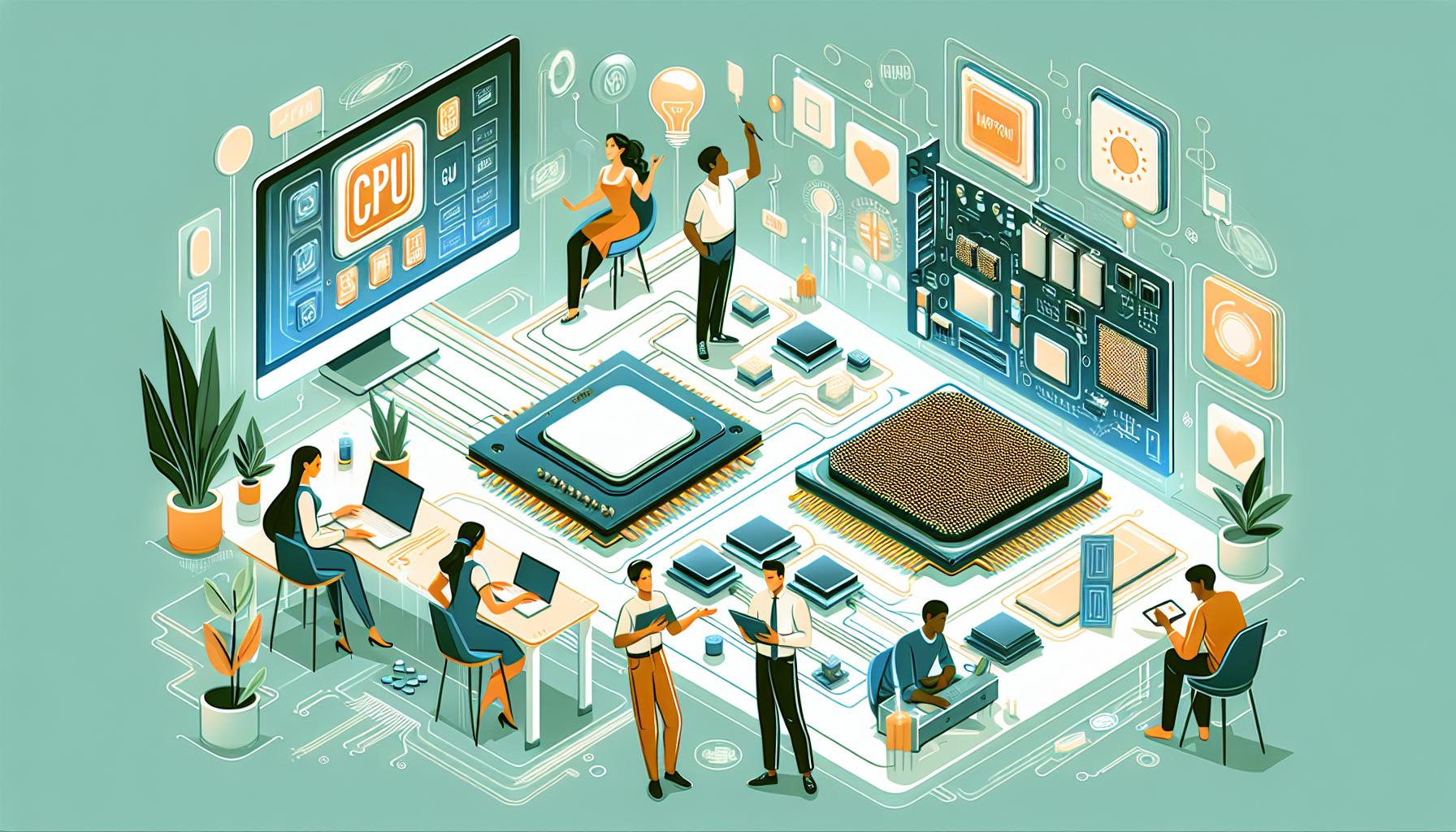
A Comprehensive Guide to Selecting CPU and GPU
Selecting the right CPU and GPU is crucial in tailoring your HP laptop to your specific needs, ensuring it performs efficiently for your tasks. The CPU (Central Processing Unit) is often referred to as the brain of your laptop, while the GPU (Graphics Processing Unit) handles the visuals and graphics. Understanding how these components work together is key to achieving optimum performance and satisfaction from your custom-built machine.
Choosing the right CPU begins with understanding the different performance tiers. HP typically offers a range of Intel and AMD processors. For instance, if you’re a gamer or doing intensive tasks like video editing, selecting an Intel Core i7 or AMD Ryzen 7 can provide the necessary power to handle demanding applications. Conversely, for general usage like web browsing or document editing, an Intel Core i5 or AMD Ryzen 5 may be sufficient without overspending. Always consider the number of cores and threads as well; a CPU with more cores can handle multitasking more effectively.
Equally important is the GPU, especially for gamers or creative professionals. You can choose between integrated graphics, which come with the CPU, and dedicated graphics cards. Integrated graphics, such as Intel’s Iris Xe, are suitable for everyday tasks and light gaming, while a dedicated GPU, like NVIDIA’s RTX series, offers superior performance for higher-end gaming and graphic-intensive applications. Think about what you plan to use your laptop for, as having the right GPU can make a significant difference in how smoothly your games or design software runs.
When selecting components, it’s beneficial to look at benchmarks to compare how different CPUs and GPUs stack up against each other for various tasks. Leveraging tools like CPU-Z and GPU-Z can help evaluate performance metrics, making your decision easier. Additionally, some HP laptops come with software that can help manage performance settings based on your requirements.
In summary, understanding your computing needs helps simplify the hardware selection process for your HP laptop. By aligning your aspirations with the appropriate CPU and GPU options, you create a machine that not only meets technical specifications but also enhances your overall computing experience, whether you’re a gamer, a content creator, or just someone looking for a reliable daily driver.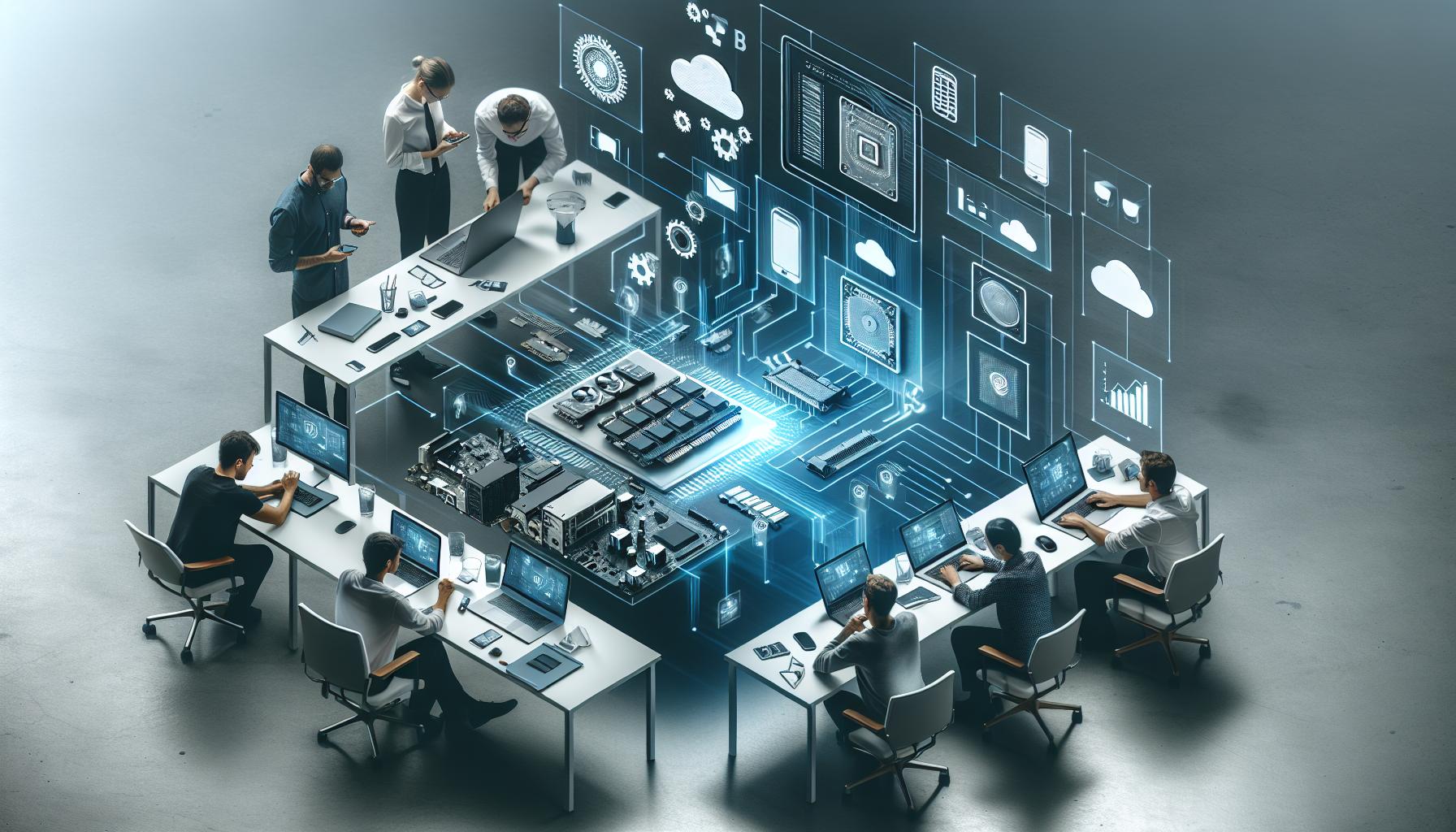
Maximizing Performance: RAM and Storage Choices
Choosing the right RAM and storage options is essential for unleashing the full potential of your customized HP laptop. These components significantly impact your machine’s performance, multitasking capabilities, and overall user experience. Did you know that upgrading your RAM can lead to faster application loading times and smoother multitasking? By understanding how RAM and storage work together, you’ll make informed decisions that suit your unique computing needs.
Understanding RAM Choices
When it comes to RAM (Random Access Memory), consider how you plan to use your laptop. For everyday tasks like web browsing or streaming, 8GB of RAM is often sufficient. However, if you’re into gaming, video editing, or running multiple applications simultaneously, opting for 16GB or even 32GB will make a noticeable difference. More RAM allows your laptop to handle more processes at once, reducing lag and improving responsiveness.
As you evaluate your options, look for laptops that support DDR4 RAM, which is currently the standard for optimal performance. If you aspire to future-proof your device, check the maximum RAM capacity your laptop can accommodate. This way, you can upgrade later if your needs grow, ensuring your investment remains relevant over time.
Storage Solutions for Every Need
Storage options can make or break your laptop experience. Generally, you can choose between Hard Disk Drives (HDD) and Solid State Drives (SSD). SSDs are faster, more reliable, and consume less power, making them the preferred choice for most users. They allow for quicker boot times and faster file access, which is especially beneficial if you’re always on the go.
When selecting an SSD, consider the capacity you’ll need based on your usage. A 256GB SSD might be enough for basic users, but serious gamers or content creators should think about 512GB or 1TB to accommodate large files and applications. Some HP laptops even offer dual storage options, combining an SSD for your operating system and frequently used software with an HDD for additional storage space. This hybrid approach maximizes performance and provides ample room for all your files.
Making the Right Investment
Ultimately, balancing RAM and storage while keeping your budget in mind is key to creating a dream machine. Remember that both components work symbiotically: ample RAM ensures smooth operation, while fast storage keeps your system responsive. As technology continues to evolve, investing in higher-capacity RAM and fast SSDs will prolong the lifespan and efficiency of your custom-built HP laptop.
By taking the time to choose the right RAM and storage options, you empower yourself to create a device that not only meets your current demands but also evolves with you, whether you’re gaming, designing, or simply enjoying your daily computing tasks.
Customizing Your Laptop’s Aesthetic Design
Creating a visually appealing laptop can significantly enhance your user experience and reflects your personal style. Customizing the aesthetic design of your HP laptop allows you to make a statement while also making your device comfortable to use. Think of it as an opportunity to combine functionality with personal flair, ensuring that your laptop is not just a tool but an extension of your personality.
Start with the laptop’s exterior. Many HP models offer various color options and finishes, ranging from sleek metallic hues to vibrant patterns. If available, choosing a unique color or a special edition can make your device stand out. Custom skins and decals are another fantastic way to express your personality. These removable coverings can be designed to showcase your favorite artwork, patterns, or textures while protecting the laptop from scratches and scuffs. Websites like Skinit or dbrand offer customizable skins that fit perfectly on HP laptops and add a layer of personal touch.
Moving on to the keyboard, consider adding backlit keys for functionality and aesthetics. Many modern HP laptops come with customizable RGB lighting, allowing you to choose your favorite colors or patterns to match your mood or environment. You can go a step further by using keycap replacements for a more significant change in look and feel. A unique set of keycaps can make typing more enjoyable and transform your laptop into a unique piece of art.
Moreover, accessories play a crucial role in enhancing your laptop’s aesthetic. Invest in a stylish laptop sleeve or bag that complements your laptop’s look. You might also want to consider personalized stickers or charms that can showcase your interests or hobbies. These small additions can tie your entire look together, making your laptop not just a work tool but a fashionable accessory.
Lastly, consider the software interface as part of your customization. Changing your wallpaper to something that resonates with you, or adjusting your desktop icons for better organization, can also enhance your overall experience. Opting for themes that resonate with your aesthetic preference can create a cohesive visual atmosphere on your laptop, encouraging productivity and creativity.
By thoughtfully integrating these design elements, you transform a standard laptop into a personalized powerhouse that reflects who you are while providing the comfort and functionality you need.
Essential Software to Enhance Your Experience
Unlocking the potential of your customized HP laptop goes beyond hardware choices; the right software can significantly enhance your overall experience, boost productivity, and ensure that your machine runs smoothly. Finding the perfect software suite tailored to your specific needs is essential, whether you’re a gamer, a student, or a professional looking to optimize your workflow.
A great starting point is to install an operating system that suits your work preferences. Windows offers a versatile platform, especially for gamers and general productivity. For those favoring a minimalist experience, consider lightweight Linux distributions. Depending on your usage, it can elevate performance while providing a smoother interface.
Essential Utility Software:
It’s crucial to have fundamental software that keeps your laptop running efficiently. This includes antivirus software to protect against malware and ransomware, disk management tools to clean up storage and optimize performance, and backup solutions to ensure your data is secure. Popular choices include:
- Avast Free Antivirus: A reliable free antivirus option that doesn’t compromise on essential features.
- CCleaner: For cleaning up unnecessary files and optimizing startup programs.
- Backblaze: An affordable backup solution that automates the process to keep your files secure.
Productivity Applications:
Maximizing your efficiency also involves choosing the right productivity applications. Programs such as Microsoft Office or Google Workspace provide comprehensive tools for document creation, presentations, and spreadsheets. Pair these with task management apps like Trello or Todoist to keep your projects organized.
Design and Customization Tools
For those seeking to enhance their aesthetic environment, consider design software like Adobe Creative Cloud or Canva. These tools can help you create captivating wallpapers, custom icons, and other visuals that beautify your workspace. Additionally, using software like Rainmeter allows you to customize your system’s interface with widgets that can display useful information at a glance.
Finally, don’t overlook the importance of keeping your software updated. Regularly check for updates for your operating system and applications to ensure you have the latest features, security enhancements, and bug fixes. This proactive approach can save you from troubleshooting headaches down the road and creates a smoother overall experience with your customized HP laptop. By thoughtfully selecting and incorporating these software options, you can transform your device into a powerful tool tailored specifically to your needs and preferences.
Cost-Effective Budgeting for Your Dream Machine
Creating your dream laptop doesn’t have to mean breaking the bank; with smart budgeting strategies, you can customize an HP laptop that fits both your needs and your wallet. A well-planned budget allows you to prioritize components that will deliver the most significant impact on performance while keeping an eye on cost-effectiveness. By following a few guiding principles and understanding the market, you can achieve a balance between quality and affordability.
Start by defining your usage requirements. Are you a gamer looking for high performance, a student needing reliability for coursework, or a creative professional working on demanding graphics? Knowing this will help you allocate funds effectively. For example, if gaming is your focus, prioritize spending on the CPU and GPU while potentially opting for a standard SSD instead of the latest high-capacity model. Researching different configurations also allows you to compare prices across various models and retailers, ensuring you get the best deal for the performance you need.
One effective approach to shopping for components is to take advantage of sales events, such as Black Friday, Cyber Monday, or seasonal promotions from HP and other retailers. Many online stores offer discounts on individual components or bundles which can save you a significant amount. Additionally, consider refurbished or open-box items, which can offer substantial savings without sacrificing quality. Many manufacturers, including HP, provide warranties on these items, giving you peace of mind with your purchase.
Lastly, always calculate your total build cost before finalizing your choices. Creating a simple spreadsheet listing all intended components with their prices allows for easy adjustments. This way, you can see where you might need to scale back or where you can splurge a bit to enhance your final build. Below is a simple example of how to structure your budgeting template:
| Component | Estimated Cost |
|---|---|
| CPU | $250 |
| GPU | $400 |
| RAM | $100 |
| Storage | $80 |
| Motherboard | $150 |
| Power Supply | $70 |
| Case | $50 |
In this way, you maintain control over your expenses, ensuring that each dollar spent contributes effectively to your customized laptop’s performance and longevity. Embracing these strategies empowers you to create a powerful, bespoke machine tailored to your needs without straining your budget.
Expert Tips for Assembling Your HP Laptop
Assembling your own HP laptop can be an exhilarating experience that allows you to tailor it to your personal preferences and needs. The key to a successful build lies not only in selecting the perfect components but also in understanding the assembly process. From the moment you unbox your parts to that first startup, following a systematic approach will make the task feel less daunting and more rewarding.
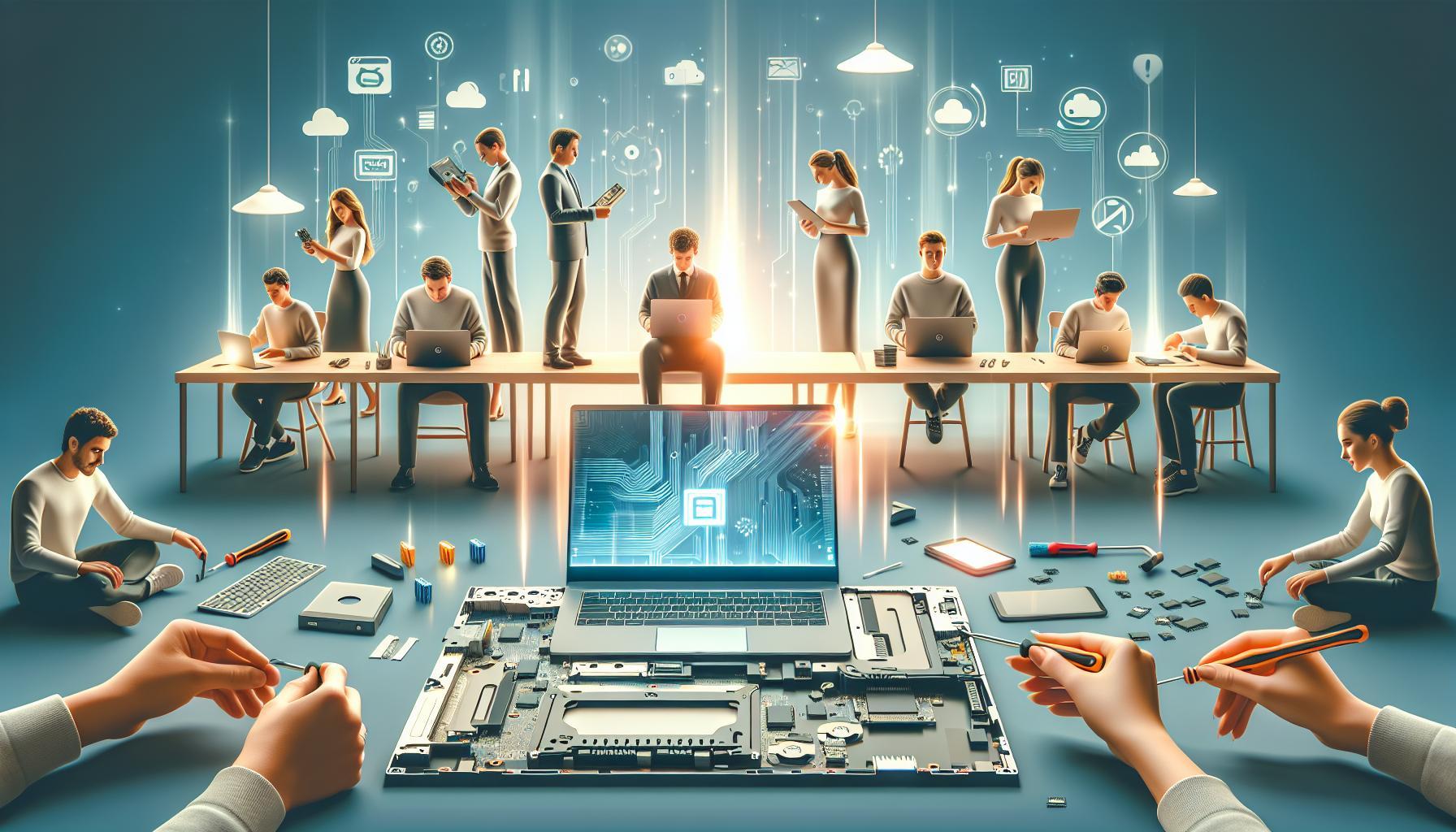
Start by organizing your workspace. Ensure you have a clean, well-lit area to work in, and gather your tools-typically, a Philips screwdriver and possibly some anti-static wrist straps. It’s also wise to lay out all your components and double-check that nothing is missing. Familiarize yourself with the manuals that accompany each part; they often contain specific instructions or diagrams that will help significantly during the assembly process.
Step-by-Step Assembly Process
- Insert the CPU: Begin by carefully placing the CPU into the motherboard socket. Align the notches properly to avoid bending pins. Secure it with the lever provided.
- Attach the RAM: Locate the RAM slots and insert the RAM sticks at an angle, ensuring they click into place. Most motherboards will indicate which slots to use for dual-channel configuration, which can enhance performance.
- Install the Storage Drive: Whether you opt for an SSD or HDD, connect it to the motherboard, and ensure it is secured properly in its bay or slot, depending on the type.
- Connect the Motherboard: Place the motherboard in the case and secure it with screws. Ensure that all I/O ports align with the cutouts in the back panel of the case.
- Power Supply Wiring: Finally, connect your power supply unit (PSU) to the motherboard and other components like the CPU and GPU. Make sure the connections are seated firmly, as poor connections can lead to power issues.
- Final Assembly: After everything is connected, tidy up any loose cables to improve airflow. This helps in maintaining optimal cooling for your laptop’s components.
Troubleshooting Potential Issues
It’s common to encounter hurdles during assembly. Here are handy tips to tackle common issues:
- No Power? Double-check all power connections, especially the 24-pin and CPU connectors from your power supply.
- Improper Booting? Make sure that RAM and CPU are secured, and that your storage device is properly connected.
- Overheating? Evaluate airflow within your case and clean out any dust that may obstruct vents.
A well-planned assembly not only enhances your device’s performance but also boosts your confidence in navigating the tech world. By approaching the process with a clear strategy and an open mindset, you can construct a powerful, customized laptop that reflects your personal style and needs. Enjoy the journey of creating your dream machine!
Troubleshooting Common Build Issues
When building your custom HP laptop, it’s perfectly normal to encounter some hiccups along the way. Recognizing potential issues early on can make the difference between smooth sailing and a frustrating experience. Understanding the most common problems and their solutions will empower you to troubleshoot like a pro, ensuring your dream machine comes to life seamlessly.
One of the primary concerns during assembly is a lack of power. If your laptop doesn’t power on when you hit the switch, there’s no need to panic. Start by double-checking all your connections. Specifically, examine the 24-pin connector from the power supply to the motherboard and the 4 or 8-pin connector for the CPU. If everything appears connected, it’s time to inspect the power supply itself. Ensure that it is functioning correctly; if you have a multimeter, you can test voltage levels to confirm it’s outputting electricity.
Another frequent issue is improper booting. This can manifest as a black screen or system hang-ups at startup. If this happens, first ensure that all components are securely installed. Loose RAM or improperly seated CPUs are common culprits. Check that the RAM sticks are fully inserted and that the notches line up with the slots. If necessary, refer to your motherboard’s manual for the proper RAM configuration, especially if you’re aiming for dual-channel memory support.
Overheating is another potential challenge, especially if you’ve installed high-performance components. To combat this, assess airflow inside your laptop casing. Ensure there are no obstructions, like cables blocking fan vents. If you’re using a third-party cooling solution, confirm that it’s installed correctly and functioning as intended. Regular maintenance, such as cleaning dust from vents and fans, will go a long way in maintaining an optimal operating temperature.
Lastly, remember that seeking help online is a handy resource; forums and communities dedicated to HP laptops can provide insights and solutions from other builders who may have encountered similar issues. The journey of building your custom laptop should be rewarding and educational, showcasing both your creativity and tech-savviness. Embrace the troubleshooting process, knowing each resolved issue is one step closer to powerful, personalized performance!
Exploring Warranty and Support Options
As you embark on the journey of customizing your HP laptop, understanding the warranty and support options available to you is crucial. This not only gives you peace of mind but also empowers you to tackle potential issues with confidence. HP offers various warranty packages that can be tailored to your needs, ensuring that you’re covered whether it’s components failing, accidental damage, or performance issues that arise post-assembly.
Choosing the right warranty involves considering what aspects of your build are most critical to you. Typically, HP offers standard warranties that cover repairs and defects in materials and workmanship, generally for one year. However, you can often extend this coverage through HP Care Packs, which provide options for accidental damage coverage and extended service periods. For a modest investment, these Care Packs can save you significant costs and hassle in repairs, especially if you’re working with high-performance components or if you frequently transport your laptop.
In addition to warranties, HP provides extensive support resources that facilitate troubleshooting and repairs. Whether you’re experiencing software malfunctions or hardware failures, HP’s official support channels make it easy to obtain help. Online resources include driver downloads, diagnostic tools, and customer service chat options. Accessing support is as simple as visiting HP Support where you can find detailed troubleshooting articles and FAQs tailored to your specific model and configuration.
Moreover, engaging with online communities or forums dedicated to HP products can be a valuable resource. Here, users share their experiences and solutions for common issues, offering insights that can ease your own troubleshooting process. With an informed approach to warranty and support options, you can focus on creating your dream machine while knowing you’re well-prepared for any eventualities that may arise.
Future-Proofing Your Customized Machine
As technology continually evolves, customizing your laptop with future-proofing in mind is a strategic way to extend its lifespan and maintain relevance in a fast-paced digital world. One of the most significant aspects to consider is the choice of components that can adapt as software demands increase. By opting for components like a powerful CPU and a capable GPU, you’re setting the stage for a laptop that can handle both current applications and those just around the corner.
Choosing Upgradable Components
When building your laptop, prioritize parts that allow for future upgrades. Select a motherboard that has ample slots for RAM and supports the latest standards, such as DDR4 or DDR5. In addition, choose a cooling system designed to accommodate higher wattage GPUs that may become available later. Investing in a few extra gigabytes of RAM now or leaving an M.2 slot empty for a future SSD can provide flexibility down the line.
Staying Current with Connectivity
Future-proofing your laptop also involves ensuring that it can connect with new devices and technologies. Aim for USB-C ports, Thunderbolt support, and Wi-Fi 6 capabilities to ensure compatibility with the latest peripherals and high-speed internet. These features not only provide improved performance but also extend the relevance of your laptop in a rapidly changing tech landscape.
Software Adaptation
While hardware considerations are paramount, keeping your software up-to-date is equally crucial. Ensure your operating system and all applications are regularly updated to make the most of security patches and performance improvements. This maintenance will help your machine run efficiently while adapting to new software capabilities that develop over time.
Incorporating these strategies not only enhances your laptop’s immediate performance but also saves you from costly complete replacements in the future. You’ll not only enjoy a machine that meets today’s demands but also one that can grow with you. Investing thoughtfully in upgrades, connectivity, and maintenance will leave you well-equipped to handle tomorrow’s technological advancements.
Frequently Asked Questions
Q: How can I customize my HP laptop to suit my specific needs?
A: You can customize your HP laptop by selecting components such as CPU, GPU, RAM, and storage options based on your usage requirements. Visit the HP Build Your Own Laptop page to explore configurations that fit your lifestyle, whether for gaming, work, or everyday tasks.
Q: What are the benefits of building my own HP laptop?
A: Building your own HP laptop allows for greater flexibility in selecting high-performance components tailored to your needs, potential cost savings, and the ability to create a machine with a unique aesthetic. Customization ensures you get the best value for your investment.
Q: What is the best way to choose the right components for my HP laptop?
A: To choose the right components, assess what you’ll be using the laptop for, such as gaming or professional tasks. Understanding the specifications for performance, such as selecting the appropriate RAM and storage capacity, is essential. Refer to the article section on choosing the perfect components for detailed guidance.
Q: How do I troubleshoot issues with my customized HP laptop?
A: Start by identifying the specific problem, then check connections and settings. Use HP’s diagnostic tools available on their support page for guidance. If the problem persists, consult the troubleshooting section of the article for common build issues and solutions.
Q: Can I upgrade components later if I build my own HP laptop?
A: Yes, many components such as RAM and storage can be upgraded later. When building your laptop, select parts that allow easy access and replacement, ensuring your machine can adapt as your needs change. Future-proofing your build is discussed in detail in the article.
Q: Where can I find support for my built HP laptop?
A: HP offers extensive support for customized laptops through their official support page, where you can find drivers, troubleshooting tools, and warranty information. Refer to the warranty and support options section in the article for additional details.
Q: What design options are available when customizing my HP laptop?
A: HP provides several aesthetic customization options, such as colors, finishes, and backlit keyboards. You can personalize your laptop to reflect your style and make it stand out. Learn more in the article on customizing your laptop’s aesthetic design.
Q: Why is it important to maximize performance in my HP laptop customization?
A: Maximizing performance ensures your laptop runs efficiently and meets your demanding tasks without lagging or crashing. High-performance components, such as a powerful CPU and ample RAM, are essential for a seamless experience. Explore the guide on maximizing performance for in-depth tips.
Insights and Conclusions
Ready to create your perfect laptop? By customizing your HP Build Your Own Laptop, you’re not just investing in a machine; you’re investing in a tool that meets your unique needs and enhances your productivity. Don’t miss out on this opportunity to elevate your tech game! Explore more about high-performance components and the latest trends by visiting our guides on laptop upgrades and tech essentials.
If you’re still unsure about certain features or need assistance, check out our troubleshooting resources or reach out for personalized consultations. We’re here to help you make informed decisions.
Join our community of tech enthusiasts by signing up for our newsletter, and stay updated on the best products and tips that can help you make the most out of your purchase. Start customizing today, and unlock the potential of your dream machine! Share your thoughts in the comments below, and let’s keep the conversation going!