Every day, law enforcement officers face rapidly changing situations that require swift decision-making and effective communication. That’s where laptops in police cars come into play; they are critical tools that support officers by providing real-time access to essential information, facilitating immediate data entry, and enhancing connectivity.
These rugged laptops are designed to withstand harsh conditions while delivering the reliability needed on the job. As you explore why these devices are indispensable in modern policing, you’ll understand how they not only streamline operations but also empower officers to serve and protect their communities more effectively. Join us as we delve deeper into the pivotal role that mobile computing plays in law enforcement today.
Why Police Vehicles Use Laptops for Efficiency
In modern law enforcement, efficiency is paramount, and police vehicles equipped with laptops serve as mobile command centers that revolutionize how officers operate. These devices allow uniformed personnel to access real-time data from anywhere, significantly enhancing their ability to respond to incidents rapidly and effectively. For example, when an officer is on patrol, they can instantly pull up critical information about previous incidents, outstanding warrants, or even the status of ongoing investigations without having to return to the station. This accessibility can be the difference between resolving a situation safely and efficiently or allowing it to escalate.
One of the core advantages of in-car laptops is their ability to facilitate communication. Officers can transmit and receive information instantly through Integrated Computer Aided Dispatch (ICAD) systems, which keep them in constant contact with dispatchers. This ensures that they can stay updated on the latest developments and make informed decisions based on the most current data available. Moreover, with features like automated license plate recognition (ALPR) integrated into these systems, officers can scan and check plates on the move, saving time and allowing for swifter enforcement actions.
Furthermore, the technology embedded in these laptops is designed to operate in the demanding conditions of police work. Featuring rugged designs to withstand bumps and jolts, as well as weatherproofing to survive harsh conditions, these laptops are tailored to the unique challenges faced by officers. This durability means that even in high pursuit scenarios, or when vehicles are subjected to rough terrains, the equipment remains reliable and can continue to serve its purpose without downtime, enhancing overall operational efficiency. The combination of accessibility, communication capabilities, and resilience truly underscores why police vehicles utilize laptops as essential tools for law enforcement efficacy.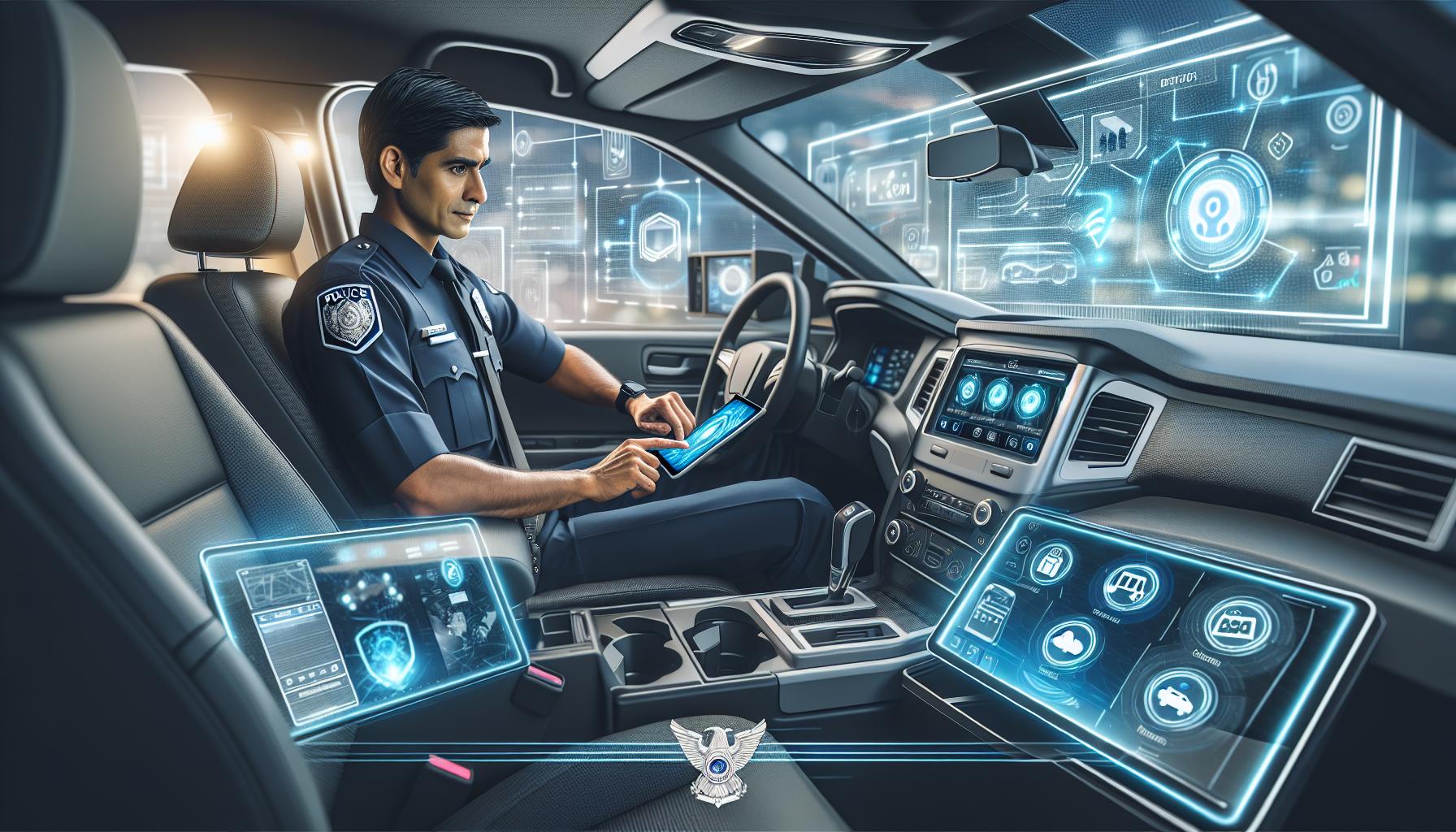
The Benefits of In-Car Technology for Officers
In-car technology has fundamentally transformed the way police officers conduct their duties by providing them with resources that enhance efficiency and effectiveness on the job. With laptops securely mounted in their vehicles, officers gain immediate access to vital information that is crucial during traffic stops, emergency responses, and routine patrols. For instance, being able to pull up a suspect’s criminal history or verify vehicle registration details within seconds can significantly impact the outcome of a situation, allowing officers to make informed decisions when time is of the essence.
One of the standout benefits of these technological advancements is the improvement in officer safety. Equipped with in-car laptops, officers have extensive tools at their fingertips, including communication systems that allow them to stay connected with dispatchers and fellow officers. This connectivity is invaluable, especially in life-threatening situations. The ability to relay real-time information about threats or receive back-up from nearby units ensures that officers are not alone in critical moments, hence reducing the likelihood of potentially dangerous encounters.
Additionally, the convenience of digital documentation saves officers from the tedious task of writing reports by hand. Instead, they can log incidents, issue citations, and document evidence directly through the laptop. This not only streamlines administrative responsibilities but also ensures that data is accurate and organized, reducing the chances of errors that can arise from manual entries and allowing officers to focus more on community engagement and crime prevention.
The technology also supports ongoing training and operational readiness. In-car laptops can serve as platforms for accessing training materials or digital resources, enabling officers to stay updated on the latest procedures, protocols, and legal changes. This dynamic approach to continuous learning helps officers remain prepared and adaptable to diverse scenarios that they may encounter in the field.
In summary, the integration of in-car technology is a game changer for law enforcement, enhancing officer efficiency, safety, and overall performance. As these tools continue to evolve, they promise to further empower officers, allowing them to serve their communities with greater confidence and effectiveness.
How Laptops Enhance Police Response Times
In the fast-paced world of law enforcement, every second counts. Laptops installed in police vehicles are not just gadgets; they are vital tools that significantly enhance response times during emergencies. Imagine an officer responding to a 911 call about an armed robbery in progress. With a laptop at their fingertips, they can instantly access real-time updates, GPS navigation to the scene, and crucial background information on the suspect, all while en route. This rapid access to comprehensive data empowers officers to make quick, informed decisions that can alter the course of an incident.
The integration of in-car laptops transforms how officers engage with incidents. Instant communication capabilities allow them to relay situational updates to dispatch and other responding units. For example, if an officer arrives at a scene and identifies a suspect vehicle, they can quickly relay the description and license plate number to dispatch, providing critical information that can lead to a faster apprehension. This immediate flow of information ensures that response teams are coordinated and aware of evolving situations, which is especially crucial in dynamic scenarios where conditions can change rapidly.
Moreover, laptops contribute to shortening the administrative tasks that usually slow down police work. Officers can complete reports on-site rather than returning to the station, which reduces downtime and allows them to remain visible and active in the community. By streamlining these processes, laptops help maintain a police presence where it matters most, enhancing community engagement while simultaneously improving response capabilities.
The ongoing evolution of software used in these laptops further supports enhanced response times. New applications enable predictive policing strategies that analyze crime trends, allowing officers to anticipate potential incidents and proactively patrol those areas. With each advancement in technology, the ability of police to respond effectively and efficiently to incidents continues to improve, ultimately leading to safer communities and more effective law enforcement.
By embracing this in-car technology, police departments are not just equipping their officers with tools; they are redefining how public safety is maintained and improved on a daily basis.
Key Features of Police Car Laptops
In the realm of modern law enforcement, police car laptops are engineered to serve as robust, multi-functional tools that empower officers in the field. These devices are not merely laptops; they are specialized, ruggedized machines designed to withstand the rigors of police work while providing critical functionality. One of the most striking features is their durability. Many models, like the Panasonic Toughbook series, are built to operate effectively in extreme conditions, boasting features such as water resistance, shock absorption, and temperature tolerance, making them reliable in various environments[[2]].
Another essential aspect of these laptops is their connectivity capabilities. Most police car laptops are equipped with mobile broadband or Wi-Fi functionality, allowing officers to access real-time data from law enforcement databases, communicate instantaneously with dispatchers, and receive updates on current incidents. This level of connectivity streamlines communication, ensuring that officers can stay informed and efficiently coordinate with other units while on the move. The ease of accessing GPS navigation and mapping software allows officers to reach incident locations quickly, further enhancing their operational effectiveness.
Intuitive User Interfaces
Ergonomically designed for quick access, these laptops are fitted with touchscreens that are often usable even in low-light conditions, in addition to traditional keyboard inputs. They run specialized software tailored for police use, enabling functions such as incident reporting, traffic citation generation, and inventory management. This intuitive user interface is critical for maintaining efficiency, allowing officers to complete necessary documentation on-site without unnecessary delays.
Enhanced Security Features
Furthermore, modern in-car laptops boast advanced security features to protect sensitive information. Many systems include biometric scanners and encryption technologies that safeguard the data against unauthorized access. This is paramount in law enforcement, where confidentiality is critical not just for the safety of officers, but also for the integrity of ongoing investigations.
In summary, the -durability, connectivity, intuitive interfaces, and enhanced security-combine to create essential tools for effective law enforcement. By integrating these technologies into their vehicles, police departments are equipping their officers with the best tools to ensure swift, safe, and efficient responses to incidents, ultimately benefiting the communities they serve.
Understanding the Types of Software Used
In the fast-paced world of law enforcement, the software used by police laptops plays a pivotal role in ensuring that officers can operate with efficiency and accuracy while on-duty. These systems are not just standard applications; they are specialized programs tailored to meet the unique demands of police work. From managing incident reports to accessing vital databases, the software enables seamless interaction with both fellow officers and the communities they serve.
The most common types of software found on police laptops include Computer-Aided Dispatch (CAD) systems, Records Management Systems (RMS), and integrated reporting tools. CAD systems streamline communication between officers in the field and dispatchers, allowing real-time updates and faster response times. Officers can track incident locations, dispatch units, and manage various calls for service through an intuitive interface. An example of this is the use of software that can pull up previous incident reports or warrants with just a few clicks, dramatically improving the speed and efficiency of operations.
Records Management Systems are essential for documenting incidents and investigations. They allow officers to complete reports quickly while still on the scene, ensuring that details are captured accurately. These systems often include features for generating traffic citations and managing property evidence, which simplifies data entry and minimizes errors. Integrated reporting tools can also assist officers in compiling data for statistical analysis, helping to identify patterns and trends that might indicate rising crime rates or areas that require increased patrols.
Moreover, modern police laptops are increasingly utilizing mobile applications that enhance their effectiveness. Officers can access databases through systems like NCIC (National Crime Information Center) to cross-reference driver information, check warrants, and even look up stolen vehicles-all from their patrol cars. With GPS integration, they can quickly navigate to incident locations, making their operations not just faster but also safer. As technology advances, it is crucial for police departments to invest in software that remains up-to-date, thus enhancing operational capabilities and officer safety in the field.
Incorporating robust, user-friendly software is vital for empowering officers and improving the overall efficiency of law enforcement. By leveraging these technological advancements, police departments can foster a more responsive and well-coordinated approach to community safety and crime prevention.
The Role of Data in Crime Prevention
In the battle against crime, data serves as a powerful ally for law enforcement agencies. With laptops installed in police vehicles, officers have immediate access to vital information that directly contributes to crime prevention efforts. For instance, data analytics can help police departments identify crime hotspots, allowing officers to focus their patrols in areas where offenses are most likely to occur. This proactive approach not only deters potential criminal activity but also fosters a stronger relationship between law enforcement and the community.
Utilizing Crime Data for Smart Patrol Strategies
By leveraging data collected from various sources, including crime reports and statistical modeling, police can develop targeted strategies. These strategies might include increased foot or vehicle patrols in specific neighborhoods or times that data indicates heightened criminal activity. For example, if data reveals a spike in vehicle thefts late at night in a particular area, officers can adjust their shifts and tactics to provide a visible deterrent during those hours.
Enhancing Investigations through Real-Time Information
In addition to bolstering preventative measures, the data accessed through police laptops enhances investigative capabilities. Officers can immediately pull up relevant background information on suspects, cross-reference incidents, and analyze patterns that may link various events. This swift access to information can significantly speed up investigations and increase the likelihood of apprehending suspects before further crimes are committed. Utilizing tools such as geographic information systems (GIS), police can map out crime patterns, assess trends over time, and even allocate resources more effectively.
Access to historical data also plays a crucial role. By analyzing past incidents, law enforcement can identify repeated offenders or understand the context behind community issues. This approach not only helps solve cases more effectively but also empowers officers to engage with community members based on insights drawn from data.
In short, the integration of robust data management through in-car laptops transforms how police agencies operate. With real-time access to critical information, officers can make informed decisions that enhance public safety, ultimately leading to a more secure environment for communities. By embracing technology and effectively utilizing data, law enforcement is well-equipped to address the complexities of modern crime prevention.
Challenges and Limitations of In-Car Laptops
In-car laptops have revolutionized law enforcement operations, but they also come with their fair share of challenges and limitations. Understanding these obstacles is vital for fostering effective technology usage within police departments. One significant challenge is the need for ongoing maintenance and updates. Just like any other technology, in-car laptops require regular software updates to protect against security vulnerabilities, ensure interoperability across different systems, and enhance functionality. If these updates are neglected, officers may face critical vulnerabilities that could compromise sensitive data or operational capabilities.
Moreover, the physical environment of a police car poses challenges for laptop durability. While many laptops are designed to be rugged and withstand bumps, vibrations, and temperature fluctuations, extreme conditions such as high-speed chases or harsh weather can still lead to failures. For instance, a laptop’s components may become loose, causing temporary malfunctions, which could hinder an officer’s access to essential information at a crucial moment. Ensuring that laptops are securely mounted and routinely checked for signs of wear is essential to avoid these issues.
Aside from hardware concerns, training and user adaptation represent further challenges. Even the best technology can become ineffective if officers are not adequately trained to use it. Familiarizing personnel with the software and functionalities of in-car laptops is critical for maximizing their potential benefits. If officers find the technology cumbersome or confusing, they may revert to older practices, undermining the intended improvements in police work efficacy. Providing regular training sessions and user-friendly guides can help bridge this gap.
Lastly, the integration of in-car laptops with existing systems also presents hurdles. Different departments may use varying databases and platforms for managing information, leading to compatibility issues between systems. This fragmentation can delay response times and complicate communication between departments. Establishing standardized protocols and investing in interoperable systems can alleviate these limitations, enabling smoother operations and better communication during emergencies.
By addressing these challenges head-on, law enforcement agencies can enhance the effectiveness of their in-car laptops, ensuring that officers are equipped to respond to incidents swiftly and safely.
Future Trends in Police Vehicle Technology
As technology continues to evolve, police vehicles are becoming integral hubs of information and communication, characterized by a shift toward increased connectivity and intelligence on the road. Emerging trends indicate that the future of police vehicle technology will not only enhance the functionality of in-car laptops but will also integrate new forms of tech that increase efficiency, safety, and situational awareness for officers in the field.
One significant trend is the integration of mobile data terminals (MDTs) with cloud-based services, allowing officers to access vast amounts of data in real-time. This connection enables seamless communication with dispatchers and central databases, ensuring that officers have immediate access to criminal records, license plate information, and situational alerts as they respond to incidents. More sophisticated analytics tools will allow departments to leverage data to anticipate crime trends, making proactive policing possible.
Another notable advancement is the incorporation of machine learning and artificial intelligence (AI) into police technology. These tools can analyze video feeds from in-car cameras and other surveillance systems to identify patterns that may indicate criminal activity, as well as automate evidence gathering. Additionally, AI-driven software can assist in predictive policing strategies, helping officers focus their patrols on high-risk areas based on historical crime data.
The deployment of vehicle-to-everything (V2X) communication systems is also on the horizon. These systems will enable police cars to communicate not only with each other but also with traffic signals, pedestrians, and other vehicles, improving situational awareness and response times. For example, a police vehicle could receive a signal that warns of a nearby emergency or traffic interruption, allowing officers to reroute to their destination swiftly and safely.
Lastly, the enhancement of ruggedization and durability of in-car laptops is expected to keep pace with future trends. With advances in materials and engineering, upcoming models will likely withstand even the toughest conditions, ensuring that they function optimally during critical moments. Furthermore, advances in batteries and charging systems will ensure that equipment remains operable during extended shifts without interruptions.
In conclusion, the evolution of police technology is not just about better equipment but also about transforming how law enforcement works to create safer neighborhoods effectively. As these technologies develop, police officers will be better equipped to serve their communities with increased efficiency, safety, and reliability.
Real-Life Examples of Laptops in Action
In the rapidly evolving world of law enforcement technology, the use of in-car laptops has proven crucial not just for gathering and accessing information, but also for real-time decision-making. For example, during a high-speed chase, officers can utilize their laptops to access the most recent data on the suspect’s vehicle, check for any outstanding warrants, or even input the chase details into the system, which automatically updates dispatchers, ensuring all units are aware of the situation.
One compelling instance occurred in a major metropolitan area, where an officer utilized an in-car laptop during a nighttime patrol. While on routine duty, the officer noticed a vehicle with a broken tail light. Upon pulling the driver over, the officer used the laptop to quickly run a check on the vehicle’s license plate. Within moments, they discovered that the vehicle was reported stolen. This real-time access to information allowed the officer to proceed with the appropriate protocols, leading to the safe recovery of the stolen property and an arrest, all of which happened before the driver could react.
Moreover, in less urgent situations, the laptops facilitate proactive policing. Officers stationed at events or in high-crime neighborhoods can monitor real-time data on crime trends using analytics software directly from their vehicles. This constant access allows them to adjust their patrol routes based on emerging patterns or incidents reported in nearby areas, significantly enhancing overall community safety.
These laptops also enable better collaboration among officers. During joint operations or special investigations, teams can share information instantly instead of relying on phone calls or radio communications. For instance, if officers need to coordinate a response to a reported crime in progress, the laptops can be used to visually map out the quickest routes to the scene and share updates as the situation unfolds, ensuring that everyone involved is on the same page and can react quickly if new information arises. This synergy of technology and teamwork exemplifies how modern law enforcement is adapting to meet the demands of contemporary policing.
Comparing In-Car Laptops to Other Technology
In law enforcement today, technology plays a pivotal role in enhancing the efficiency and effectiveness of police work. While in-car laptops have carved their niche as essential tools for officers in the field, comparing them to other technology options reveals their unique advantages and indispensable nature in modern policing.
When considering alternatives like tablets or smartphones, the durability and functionality of in-car laptops set them apart. Unlike standard consumer devices, rugged police laptops are designed to withstand harsh conditions including extreme temperatures, vibration, and impact, making them reliable companions during high-speed chases or adverse weather situations. Tablets may provide portability, but they often lack the processing power and extensive interfaces that police laptops offer, especially when running resource-intensive software required for crime investigation and data analysis. Furthermore, the integrated keyboard of a laptop enables officers to enter data quickly and accurately, which can be cumbersome on a touch screen.
The integration of software is another area where in-car laptops excel. These devices commonly run specialized law enforcement software-ranging from computer-aided dispatch (CAD) systems to databases for criminal records-which may not be fully compatible with mobile phones or tablets. With laptops mounted in vehicles, officers can access real-time data feeds and operate multiple applications simultaneously without performance hiccups. This capability contributes to faster information retrieval, enhancing decision-making under pressure.
Key Benefits Over Other Technologies
- Durability: Built to withstand extreme conditions and effectively used in the field.
- Enhanced Functionality: Access to robust law enforcement systems and applications requiring substantial computing power.
- Efficiency: Streamlined data input through full keyboards for rapid, accurate reporting.
- Real-Time Communication: Instant updates to central dispatch systems and real-time data sharing between units.
While mobile devices are an excellent complement to in-car technology, they often fall short in providing the comprehensive solutions required by law enforcement. The combination of ruggedness, functionality, and the ability to handle specialized software makes in-car laptops a cornerstone of modern patrol operations. By adopting these dedicated devices, police departments ensure their officers are equipped to tackle challenges head-on, resulting in better outcomes for the communities they serve.
How Laptops Improve Officer Safety and Communication
In an age where immediate access to information can mean the difference between life and death, police laptops have become vital tools in ensuring officer safety and enhancing communication. These robust devices allow officers to stay connected to dispatch and access crucial information without leaving their vehicles. Imagine an officer responding to a call: with a laptop equipped in their patrol car, they can instantly retrieve vital data about suspects, run license plates, or check for outstanding warrants-all while remaining in a safe position, reducing exposure to potential threats on the scene.
Strong communication capabilities are another essential advantage offered by in-car laptops. They facilitate direct, real-time updates between units on the ground and command centers. Officers can receive instant instructions, updates on ongoing situations, and access shared information regarding other officers or crimes in progress. This connectivity allows for a more coordinated response when multiple units are dispatched to a scene, enhancing tactical approaches and ensuring a shared understanding among team members.
When emergency situations arise, the ability to rapidly input and share crucial data becomes paramount. Officers can quickly document incidents, ensuring accurate reporting and evidence collection right from the scene. This swift data entry supports effective communication with support units and allows for immediate action based on the information received. Additionally, many police laptops come equipped with features like GPS tracking, enabling dispatchers to monitor officer locations and provide precise assistance if they encounter trouble.
Moreover, the rugged build of police laptops means they can withstand high-stress environments, safeguarding the technology that enables seamless communication. The built-in functionalities, such as video capabilities for live streaming incidents back to command centers, further enhance situational awareness. By empowering officers with these technologies, law enforcement agencies not only bolster officer safety but also create a more responsive and effective policing environment overall. The integration of laptops into patrol vehicles is not just about convenience; it is a fundamental striving towards safer and more efficient law enforcement practices.
The Impact of Laptops on Law Enforcement Training
The integration of laptops in police vehicles has revolutionized law enforcement training, enhancing the skills and preparedness of officers in the field. With easy access to a wealth of information and real-time communication capabilities, laptops allow for more dynamic training environments that mirror actual on-the-job scenarios. This not only equips officers with the knowledge needed to perform their duties but also instills confidence in their ability to leverage technology effectively.
Incorporating technology into training exercises has allowed for a more interactive learning experience. For instance, officers can simulate incident responses using software designed for scenarios they might face in the field. This hands-on approach promotes retention of knowledge and practical skills, making it easier for officers to adapt to real-life situations. Additionally, the ability to record and review training sessions provides valuable feedback, helping law enforcement agencies develop tailored training programs based on identified strengths and areas for improvement.
Real-Time Situational Awareness and Training Adaptability
One of the key benefits of having laptops in patrol cars is the ability to process real-time data, which is critical for developing situational awareness training. Officers can practice assessing various data inputs as they would in a real emergency, fostering quick, decisive actions in high-pressure situations. For example, during training exercises, laptops can facilitate access to databases, command communications, and local information that would be relevant during a live response, allowing officers to rehearse using the technology they will rely on in the field.
Moreover, the modularity of laptop systems means that as technology evolves, training programs can adapt accordingly. Law enforcement agencies can regularly update training materials and simulations to incorporate new technological advancements and software, ensuring that officers are always prepared to utilize the best tools available. This adaptability fosters a culture of continuous learning and improvement within police departments.
Boosting Officer Confidence and Safety
Lastly, as officers enhance their competencies through technology-integrated training, they often experience increased confidence levels, which can directly impact their performance on duty. Training that utilizes real-world technology not only prepares them to handle equipment correctly but also reassures them about their decision-making abilities in critical moments. Confident officers tend to communicate more effectively and can execute strategies that ultimately improve their safety and the safety of civilians.
In summary, the laptops in police vehicles are not merely tools for operational efficiency; they represent a significant evolution in law enforcement training methodologies. By leveraging technology, training becomes more relevant, engaging, and effective, preparing officers to meet the complex challenges they face each day.
Frequently Asked Questions
Q: Why do police officers use laptops in their cars?
A: Police officers use laptops in their cars to access real-time information about incidents, databases, and communication systems. This technology enhances operational efficiency and allows for quicker decision-making during emergencies, helping to improve overall public safety.
Q: How do laptops in police cars affect response times?
A: Laptops in police cars drastically improve response times by enabling officers to receive real-time updates about incidents and conditions. This instant access to information allows them to plan routes and strategies effectively before arriving at the scene.
Q: What types of software do police use on their car laptops?
A: Police car laptops typically utilize software for dispatch communication, criminal databases, internal reporting, and GPS navigation. These tools help officers manage their duties efficiently and securely while on the road.
Q: Do all police vehicles have laptops installed?
A: Most modern police vehicles are equipped with laptops, but the availability can vary based on budget, department size, and specific operational needs. Larger departments are more likely to standardize laptops in patrol cars for consistent efficiency.
Q: How do in-car laptops improve officer safety?
A: In-car laptops improve officer safety by providing access to crucial information, such as criminal records or potential threats, before approaching a situation. This preparation helps officers manage risks and make informed decisions to protect themselves and the public.
Q: What challenges do police face with in-car laptops?
A: Challenges with in-car laptops include technical issues like software malfunctions, the need for regular maintenance, potential distractions, and the requirement for training to ensure that officers can use them effectively under pressure.
Q: Are there privacy concerns regarding police laptops?
A: Yes, there are privacy concerns regarding the data accessed and stored on police laptops. Departments must ensure that they comply with legal standards and privacy regulations to protect citizens’ information and avoid misuse.
Q: How is police vehicle technology expected to evolve in the future?
A: Police vehicle technology is expected to evolve with advancements in artificial intelligence, data analytics, and integrated communication systems that enhance real-time information sharing among officers and departments, improving overall law enforcement effectiveness.
For further insights on police technology, check out our section on “Future Trends in Police Vehicle Technology” in the main article.
In Conclusion
Understanding why cops have laptops in their cars reveals the essential role technology plays in modern policing. These devices enhance communication, streamline operations, and ultimately provide a safer environment for both officers and the public. If you’re curious about how technology continues to shape law enforcement, check out our articles on “The Impact of Technology on Public Safety” and “How Modern Policing Works” for deeper insights.
Ready to learn more? Subscribe to our newsletter for the latest updates in law enforcement technology and community safety initiatives. Don’t forget to leave your thoughts in the comments below-how do you think technology will further evolve in this field? Your input matters, and together we can explore these critical discussions. Dive into more engaging content on our site to expand your understanding and be part of the conversation!