Submitting assignments on Blackboard can sometimes feel overwhelming, especially if you need to resubmit. Did you know that many students face challenges due to misunderstandings about the resubmission process? Understanding how to navigate this feature can save you time and stress, ensuring your hard work is recognized and evaluated.
In this guide, we’ll explore the steps to resubmit your assignments effortlessly. Whether it’s correcting mistakes or enhancing your submission based on feedback, mastering this process empowers you to take control of your academic journey. Stay with us as we break down the essential steps and tips to make resubmitting as smooth as possible, helping you succeed without the hassle.
Understanding Blackboard’s Assignment Resubmission Process
Navigating Blackboard’s assignment resubmission process can be particularly important for students aiming to refine their work and improve their grades. Understanding this process not only empowers you to take control of your submissions but also enhances your overall learning experience. Resubmission policies can vary by instructor or course settings, so it’s vital to know what’s permitted in your specific class context. Typically, instructors may allow resubmissions as a way to encourage mastery of the material or correct misunderstandings.
To start, check your course syllabus or the specific assignment details in Blackboard for any rules regarding resubmission. Generally, once the initial submission is made, you may not be able to edit that document; however, if the instructor has enabled resubmissions, you’ll have the opportunity to submit a new file. This is crucial because it means you must effectively manage your time and access to the necessary resources to make the improvements you want to your assignment.
Consult the resubmission guidelines outlined by your instructor; they may articulate parameters for what constitutes an acceptable resubmission, such as deadlines and how many times you can submit. Additionally, resources like Blackboard’s help center can provide you with detailed instructions on how to resubmit your work effectively, ensuring you utilize the platform correctly and avoid any pitfalls along the way. Taking the time to understand these elements will lead to a more seamless and confident submission process, ultimately enhancing your academic performance.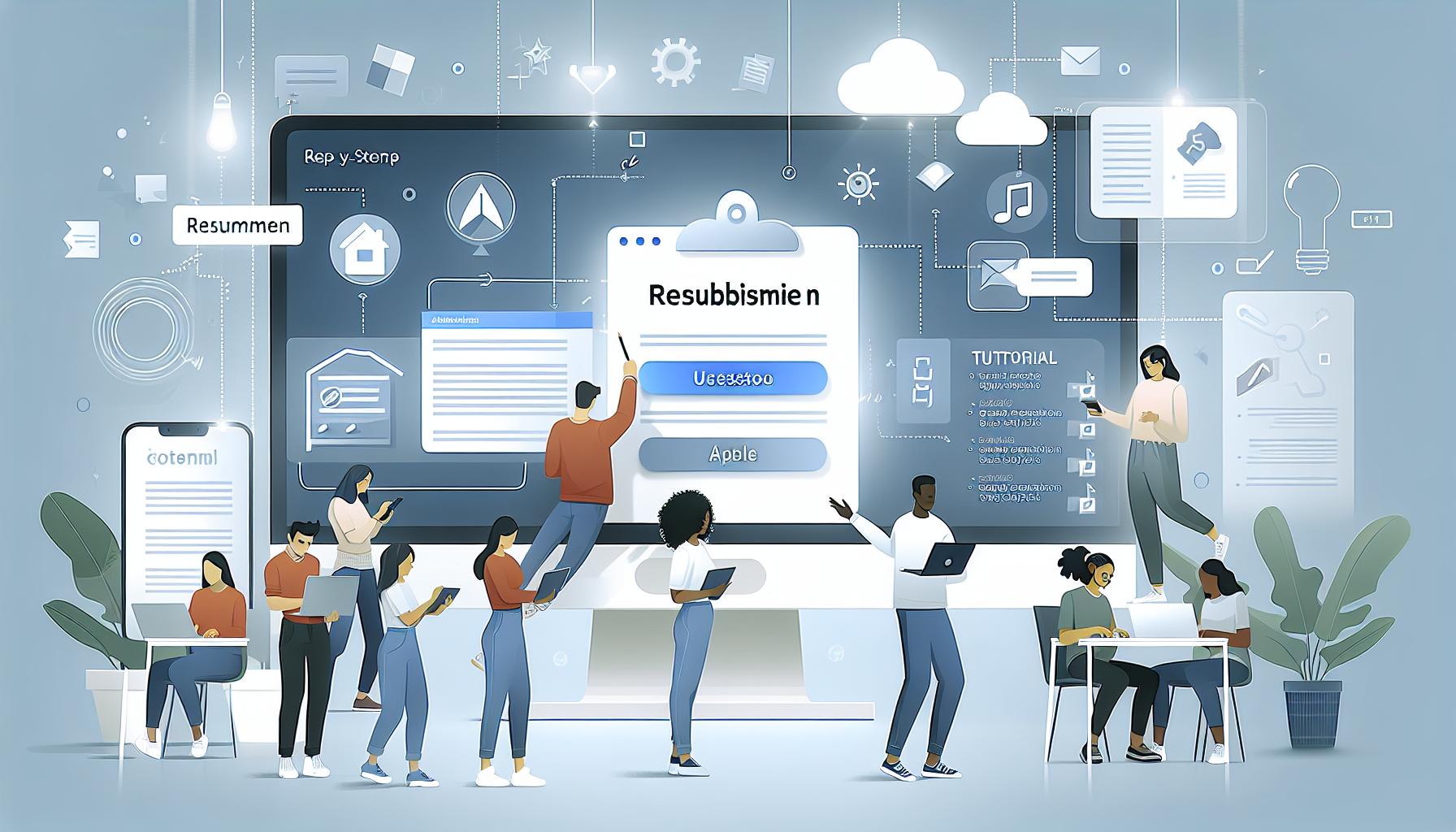
Step-by-Step Guide to Resubmitting Assignments
To navigate the process of resubmitting an assignment on Blackboard effectively, following a clear and structured approach can alleviate any stress or confusion. Here’s a practical guide to help you through this process, ensuring you can submit your work confidently.
First, check the resubmission settings for your specific assignment. Access your course in Blackboard and locate the assignment under the relevant module. Look for any specific instructions or highlighted options regarding submission attempts. If your instructor has permitted resubmission, typically indicated by multiple submission boxes, you’re ready to proceed.
Next, prepare your revised document. Ensure it meets any provided feedback you received on your initial submission. Save your document in the proper format specified by your instructor, commonly accepted types are .docx or .pdf. This step is crucial because submitting the correct file format can prevent errors during the upload process.
Once your document is ready, return to the assignment page and click on the resubmit option. This will usually be labeled clearly, such as “Resubmit” or “Submit Attempt.” After clicking, select your updated document from your device and upload it by following the prompts on the screen. Make sure that you receive a confirmation message once the upload is complete to ensure your assignment has been successfully submitted.
Lastly, it’s wise to review your submission history. Many instructors allow students to see their submitted files in Blackboard. Confirm your new document is listed correctly to avoid any last-minute surprises. Regularly checking submissions helps maintain good communication with your instructor and keeps track of your progress throughout the course.
By following these steps, you can make the assignment resubmission process on Blackboard straightforward and efficient, paving the way for better understanding and improved grades in your coursework.
Common Issues When Resubmitting Assignments
Resubmitting assignments through Blackboard can sometimes feel like navigating a complex maze, especially when encountering common issues that can frustrate even the most diligent students. Understanding these challenges not only prepares you for potential hurdles but also empowers you to confidently tackle any problems that arise during the resubmission process.
One frequent issue is the incompatibility of file formats. Instructors usually specify acceptable file types for submissions, often preferring formats like .docx or .pdf. If you submit your work in an unsupported format, the system might reject your upload, leading to delays. To avoid this, always double-check your instructor’s guidelines and ensure your document is in the correct format before attempting to resubmit.
Another common problem is miscommunication regarding resubmission deadlines. Instructors may have specific time frames during which resubmissions are allowed. Missing this window can lead to failed submissions or worse, a grade of zero. Always clarify any deadlines in the course syllabus or directly with your instructor, and set personal reminders to keep track of important dates.
Additionally, technical glitches can disrupt your efforts to resubmit. Issues such as slow internet connections, browser compatibility, or server outages may prevent your upload from going through. To minimize downtime, consider using a reliable internet connection, and try accessing Blackboard from different browsers if you encounter issues. Keeping a backup of your submission can also save you significant stress, allowing you to quickly reattempt the upload if needed.
By proactively addressing these common issues, you can make the resubmission process on Blackboard smoother and more efficient. Remember, a little preparation can go a long way in ensuring your hard work is recognized and rewarded.
Tips for a Smooth Resubmission Experience
Navigating the assignment resubmission process on Blackboard can often feel daunting, but with the right strategies, it can become a smooth and efficient experience. Start by reviewing your assignment instructions carefully. Instructors may have specific guidelines regarding formats and submission methods that are crucial to follow. Consider creating a checklist of these requirements, which will not only help you stay organized but also eliminate potential errors during the resubmission.
Another important tip is to take advantage of Blackboard’s built-in tools, such as the submission history feature. This allows you to keep track of your submissions and verify whether your previous attempts were successful. Always ensure that you are in an environment with a reliable internet connection when you resubmit. A strong network will minimize the risk of interruptions or failures during the upload process.
Additionally, remember to communicate with your instructor if you’re uncertain about any part of the resubmission guidelines. They can provide clarification on deadlines and acceptable file types, empowering you to submit your work confidently. Lastly, keep a folder with your drafts, feedback, and final submissions organized. This practice not only helps in tracking your progress but also serves as a valuable resource for improvement in future assignments.
Making these simple adjustments can transform your resubmission experience from a source of stress into an opportunity for learning and growth. By approaching the process thoughtfully and systematically, you set yourself up for success in managing your coursework.
Avoiding Common Mistakes in Resubmission
Submitting an assignment for the second time can be a crucial opportunity to enhance your work and demonstrate your learning, yet many students encounter pitfalls that can complicate the process. Being aware of common mistakes can save you time and stress and help ensure that your resubmission is successful. A major error is failing to double-check submission guidelines outlined by your instructor. Each assignment may come with specific requirements regarding file types, formatting, and submission procedures, so it’s essential to verify these details before resubmitting.
Another frequent issue arises from the use of outdated documents. Always confirm that you are uploading the correct version of your assignment, particularly if you’ve made numerous edits. It’s a good idea to rename your final document clearly, which helps avoid confusion with previous drafts. Additionally, be mindful of the file size and type restrictions set by Blackboard; attempting to upload a file that exceeds these limits can lead to frustrating submission failures.
Ensuring a stable internet connection during submission is vital. Many resubmission attempts fail due to connectivity issues, leading to incomplete submissions or lost files. Spotlighting this, many students benefit from performing their submission from a reliable network rather than relying on public Wi-Fi.
Lastly, don’t overlook the importance of reviewing your recent feedback. Incorporating your instructor’s comments into your revisions can significantly improve your resubmitted work. Taking the time to understand and implement feedback not only enhances the quality of your assignment but also demonstrates your commitment to academic growth. By recognizing and avoiding these common mistakes, you empower yourself to effectively navigate the Blackboard resubmission process with confidence and ease.
How to Track Your Resubmitted Assignments
Tracking your resubmitted assignments on Blackboard is vital for staying organized and ensuring that you are meeting all deadlines and requirements. Once you have submitted your assignment, you have the ability to review your submission history, which provides valuable insights into your submission status, feedback, and grades. Here’s how to effectively monitor your resubmissions.
After submitting an assignment, navigate to the “My Grades” section within your course. Here, you will see a list of all assignments, including those you have recently submitted. Each entry typically provides details such as submission date, feedback from your instructor, and grades. It’s essential to check this area regularly, particularly after resubmissions, to ensure that your instructor has received the latest version and to review any comments or suggestions they may have made.
To dig deeper, you can click on individual assignments to view the submission history. This page usually presents a comprehensive look at your submission status, including timestamps that show when the assignment was submitted and any resubmissions you may have made. Pay attention to the submission status indicators-these will inform you whether your assignment is still under review, graded, or if any issues need to be addressed.
Additionally, take advantage of Blackboard’s notification tools. Setting up alerts for assignment updates can help you stay informed about any changes or required actions. For instance, if your instructor grades your resubmission or adds new feedback, you’ll receive a notification prompting you to review the updated information.
In summary, utilizing the “My Grades” section, regularly checking submission history, and employing notification tools will empower you to track your resubmissions proficiently. This proactive approach can help you manage your coursework more effectively and enhance your learning experience by keeping you focused on your academic growth.
Using Blackboard’s Tools for Effective Resubmission
When navigating the assignment resubmission process on Blackboard, leveraging the platform’s tools can significantly streamline your experience and help you submit with confidence. Understanding how to effectively utilize Blackboard’s features will make your resubmission tasks less daunting and more efficient.
One of the primary tools at your disposal is the Assignment Submission Interface. Once you are on the course page, you can access your assignments under the relevant module or week. If allowed, you’ll see a resubmit option linked to the assignment. This interface enables you to upload your revised document quickly. Ensure your document is saved in a compatible format-like DOCX or PDF-as Blackboard usually specifies acceptable file types.
Additionally, make use of the Feedback and Grading Tools. After your initial submission, your instructor may provide feedback directly within Blackboard. Read through this feedback carefully to understand the areas needing improvement. These insights are critical in crafting your resubmission. Always check if there are any grading rubrics attached; these can guide you on how to enhance your work according to your instructor’s expectations.
Utilizing the Notifications and Alerts System ensures you’re promptly informed of any updates regarding your assignments. Furthermore, it can notify you about deadlines or new feedback from your instructor. Setting up these alerts is straightforward; simply navigate to your account settings and customize them according to your preferences. Staying informed can help alleviate last-minute stress over submissions, keeping you on track.
Finally, consider using the Collaboration Tools within Blackboard. Engage with classmates on discussion boards or group assignments. Sharing ideas can lead to a more refined resubmission, and peer feedback can provide that additional perspective you might need to elevate your work further.
Incorporating these tools effectively not only makes the resubmission process smoother but also enhances your overall learning experience. By approaching your assignments with the support of Blackboard’s resources, you empower yourself to take control of your academic journey.
Troubleshooting Technical Problems in Resubmission
Navigating technical hiccups during the assignment resubmission process can be frustrating, but understanding common issues and their solutions can ease your journey. Each time you attempt to submit a revised assignment, being aware of potential problems helps you proactively solve them rather than scrambling at the last minute. Here are practical steps to troubleshoot and resolve typical technical problems encountered on Blackboard.
Common Technical Issues
When resubmitting assignments, you may face issues like file compatibility, submission deadlines, or connectivity problems. Here’s how to tackle these obstacles:
- File Compatibility: Ensure your document is saved in the correct format as specified by your instructor (typically DOCX, PDF, etc.). If your file isn’t compatible, Blackboard may not accept it.
- Submission Errors: If you receive a message that prevents you from submitting, recheck the submission window. Some assignments may have strict deadlines or limited submission attempts.
- Internet Connectivity: A stable internet connection is crucial. If you experience slow or intermittent connectivity, consider submitting from a different location or using a wired connection for reliability.
Step-by-Step Troubleshooting
If you encounter a technical problem, follow these steps to resolve it:
- Refresh the Page: Sometimes, refreshing the browser can resolve minor issues.
- Clear Browser Cache: Old cache data can conflict with your current session. Clear your browser’s cache and cookies, then log in again.
- Try a Different Browser: If the problem persists, switching to another web browser can solve compatibility issues. Google Chrome, Firefox, and Safari are popular options that often work well with Blackboard.
- Review Your Submission Attempts: If the assignment allows only a limited number of submissions, double-check your previous submissions to confirm you haven’t exceeded the limit.
Utilize Blackboard Support
If you are unable to rectify the issue yourself, don’t hesitate to reach out for help. Blackboard offers access to various support resources, which can assist you in addressing technical problems effectively. Look for the “Help” or “Support” links in your course menu for tutorials, user forums, or direct contact with technical support.
Keeping these troubleshooting tips in mind can make your resubmission process smoother, allowing you to focus on improving your assignment rather than getting caught up in technical difficulties. Remember, being proactive and well-prepared will empower you to tackle any challenges you might face on the platform confidently.
Understanding Different Types of Assignments in Blackboard
Navigating the various types of assignments in Blackboard can significantly enhance your understanding of the resubmission process. Each assignment type has its unique submission rules and features, which can influence how and when you’ll be able to resubmit your work. Understanding these nuances not only empowers you to manage your submissions effectively but also ensures that you adhere to your instructor’s expectations.
Assignments in Blackboard generally fall under several categories, such as written essays, group projects, discussions, and quizzes. Each type typically comes with different rules regarding submission attempts. For instance, written assignments often allow for multiple submissions-an opportunity to refine and resubmit your work based on feedback. Conversely, quizzes may restrict you to a single attempt, necessitating careful preparation before you submit.
- Written Assignments: These assignments usually permit students to submit drafts and final versions, often with a resubmission policy established by the instructor. It’s essential to check the specific settings for each assignment as they can vary.
- Group Projects: When working collaboratively, communication with teammates is key. Ensure that all members are aware of the submission protocol, especially regarding any resubmission requirements.
- Discussions: For discussion posts, be mindful of the deadline for original postings and follow-up comments. These typically do not allow for resubmissions but may permit edits up until the deadline.
- Quizzes and Exams: These are usually considered complete upon submission, so thorough preparation is crucial since they often cannot be resubmitted.
Familiarizing yourself with these different types can pave the way for smoother resubmissions. For instance, if your assignment permits multiple submissions, take advantage of that to enhance your work based on peer or instructor feedback. Always refer back to the assignment guidelines provided by your instructor within Blackboard; they will outline the submission process and any limitations or allowances for resubmission. This proactive approach will equip you to tackle your assignments confidently, ensuring you make the most out of the resubmission opportunities available.
Contacting Support for Resubmission Assistance
Reaching out for support when navigating the Blackboard resubmission process can feel intimidating, but it’s a crucial step for ensuring your assignments are completed correctly and on time. Whether you encounter technical difficulties, struggle to understand the resubmission policies set by your instructor, or simply need guidance, help is available and accessible.
Before contacting support, make sure to gather all relevant information about your issue. This includes details about the assignment in question, any error messages you’ve received, and the steps you’ve already taken to resolve the problem. This preparation can help support staff address your concerns more effectively. You can typically find support information directly within Blackboard under the Help or Support sections. It’s also beneficial to check if your institution has specific guidelines about whom to contact for technical assistance or instructional support.
When you reach out, be clear and concise in your communication. For example, you might say, “I’m having trouble resubmitting my written assignment for [Course Name] due on [Date]. I’ve followed the steps provided but keep receiving an error message. Could you assist me with this?” This clarity allows support staff to assist you quickly and accurately. Remember, reaching out for help is a sign of diligence and commitment to your academic success, so don’t hesitate to seek assistance when needed.
Additionally, consider utilizing online forums or community boards associated with your institution. Sometimes, fellow students can offer quick solutions or tips based on their experiences. Ultimately, the right support will empower you to overcome any obstacles in your resubmission process so you can focus on what matters most-your learning.
Enhancing Your Learning through Effective Resubmissions
Effective resubmissions not only demonstrate your commitment to academic excellence but also serve as valuable learning opportunities. When you decide to revisit and refine your assignments, you’re fostering a growth mindset, which is essential for success in any educational environment. By approaching resubmissions thoughtfully, you equip yourself with insights and skills that significantly enhance your learning experience.
One of the most effective strategies to embrace during the resubmission process is to take time to reflect on the feedback provided by your instructor. Understanding specific criticisms or areas for improvement can guide you in making the necessary adjustments. For example, if feedback highlights unclear arguments, revisiting the assignment and clarifying your points can strengthen your overall comprehension and ability to articulate your thoughts in future assignments. Consider creating a checklist based on the feedback to ensure you address all highlighted issues before resubmitting.
Another key aspect is utilizing the resources available on Blackboard and beyond. The platform often includes tools such as Turnitin for checking originality, which can help you ensure that your work meets academic integrity standards. Additionally, collaborating with peers by participating in study groups or online forums can provide diverse perspectives, enriching your understanding of the subject matter. Sharing your revised work with classmates for feedback before final submission can clarify your ideas and may help you spot errors you might have missed.
Incorporating a structured approach to your resubmission process also leads to better learning outcomes. Create an organized schedule that allows ample time for research, drafting, and revisions. This not only alleviates the stress of last-minute submissions but also helps reinforce good time management skills. Finally, celebrate the progress you make through these resubmissions. Each iteration is an opportunity to learn, adapt, and ultimately become a better student.
Best Practices for Managing Assignment Deadlines
Managing assignment deadlines can often feel overwhelming, but developing effective strategies to maintain control over your submissions is essential for academic success. One effective approach is to create a personalized calendar that tracks all pertinent dates related to your assignments. By outlining your tasks visually, you can easily identify upcoming deadlines and allocate your time accordingly. Incorporating reminders a few days before deadlines can also provide you with a buffer, ensuring you have sufficient time to address any last-minute concerns.
Prioritize Tasks
Not all assignments require the same level of urgency. By evaluating the difficulty and length of each task, you can prioritize them effectively. For instance, if you have a major paper due alongside smaller weekly assignments, allocate your focus according to the demands of each task. Create a list that ranks assignments by their due dates and complexity, which will help you channel energy into the most pressing tasks first.
- Assess deadlines: Check due dates and revise assignments.
- Break down tasks: Divide larger projects into smaller, manageable parts.
- Set achievable goals: Establish daily or weekly targets based on your workload.
Utilize Digital Tools
Leverage technology to enhance your ability to stay on schedule. Tools like calendar apps or project management software can be highly beneficial. For example, platforms like Google Calendar allow you to set alerts for upcoming deadlines, color-code assignments based on their subject or priority, and even share calendars with study partners for greater accountability. Additionally, consider using task management apps like Trello or Todoist, which enable you to create to-do lists and track your progress visually.
Practice Consistent Reflection
Take time after each assignment’s completion to reflect on your process. Ask yourself what went well, what challenges you faced, and how you can improve for next time. This reflection not only enhances your time management skills but also builds a more effective strategy for handling future assignments. Journaling your experiences can also crystallize your thoughts and keep you motivated.
By implementing these practices, you can turn the daunting task of managing assignment deadlines into an organized and streamlined process. When you harness structure and resources, you empower yourself to navigate through your academic challenges with confidence and ease.
Faq
Q: Can I resubmit an assignment in Blackboard?
A: Yes, you may be able to resubmit an assignment in Blackboard if your instructor has enabled multiple submission attempts. Check the assignment settings or consult your instructor for specific submission limits [1[1].
Q: What should I do if my resubmission isn’t accepted in Blackboard?
A: If your resubmission is not accepted, first check the assignment’s guidelines to confirm submission limits. If allowed, ensure you’re submitting before the deadline. If issues persist, contact your instructor or tech support for assistance [2[2].
Q: What happens to my original submission when I resubmit on Blackboard?
A: When you resubmit an assignment on Blackboard, your original submission may be replaced, or a new version may be saved depending on how the instructor has configured the submission settings. It’s best to confirm with them [1[1].
Q: Are there any file type restrictions when resubmitting assignments in Blackboard?
A: Yes, Blackboard typically has specific file type restrictions for assignments. Commonly accepted formats include .doc, .pdf, and .ppt, but check the assignment details for exact requirements [2[2].
Q: How do I troubleshoot submission errors when resubmitting assignments in Blackboard?
A: If you encounter submission errors, ensure your internet connection is stable, remove any large files that may not meet size limits, and check your file format. If issues persist, clear your browser cache or try a different browser [2[2].
Q: When is the best time to resubmit assignments on Blackboard?
A: The best time to resubmit is before the deadline to avoid any last-minute issues. Always review your work before submitting to ensure it meets all requirements [1[1].
Future Outlook
Ready to tackle your Blackboard assignments with ease? Now that you know how to resubmit your work hassle-free, don’t let uncertainty hold you back. Whether you’re looking to clarify assignment submission attempts or need help navigating the platform, be sure to check out our other guides on maximizing your Blackboard experience, including tips on group assignments and troubleshooting common issues.
Don’t forget, every moment counts! If you’re facing a tight deadline, act fast to make your resubmission and ensure your hard work gets the recognition it deserves. Engage with your instructors if you have specific questions-they’re there to help you succeed. Want to stay updated on the latest tips and resources? Subscribe to our newsletter for essential insights that empower your learning journey. Your success in navigating Blackboard awaits!