In the world of college football, the term “D1” refers to NCAA Division I, the highest level of intercollegiate athletics primarily for larger universities that offer scholarships to student-athletes. Understanding D1 football is essential for players aspiring to reach their athletic potential and for fans eager to follow the competitive landscape of college sports.
With a rich history and a significant impact on the national sports culture, Division I programs attract top talent and showcase some of the most electrifying games in college football. Whether you’re a player aiming for a scholarship or a fan wanting to deepen your knowledge of the sport, grasping what D1 means can enhance your appreciation of the game. Dive in as we explore the ins and outs of NCAA Division I football, uncovering its implications for athletes and the thrill it brings to the spectators.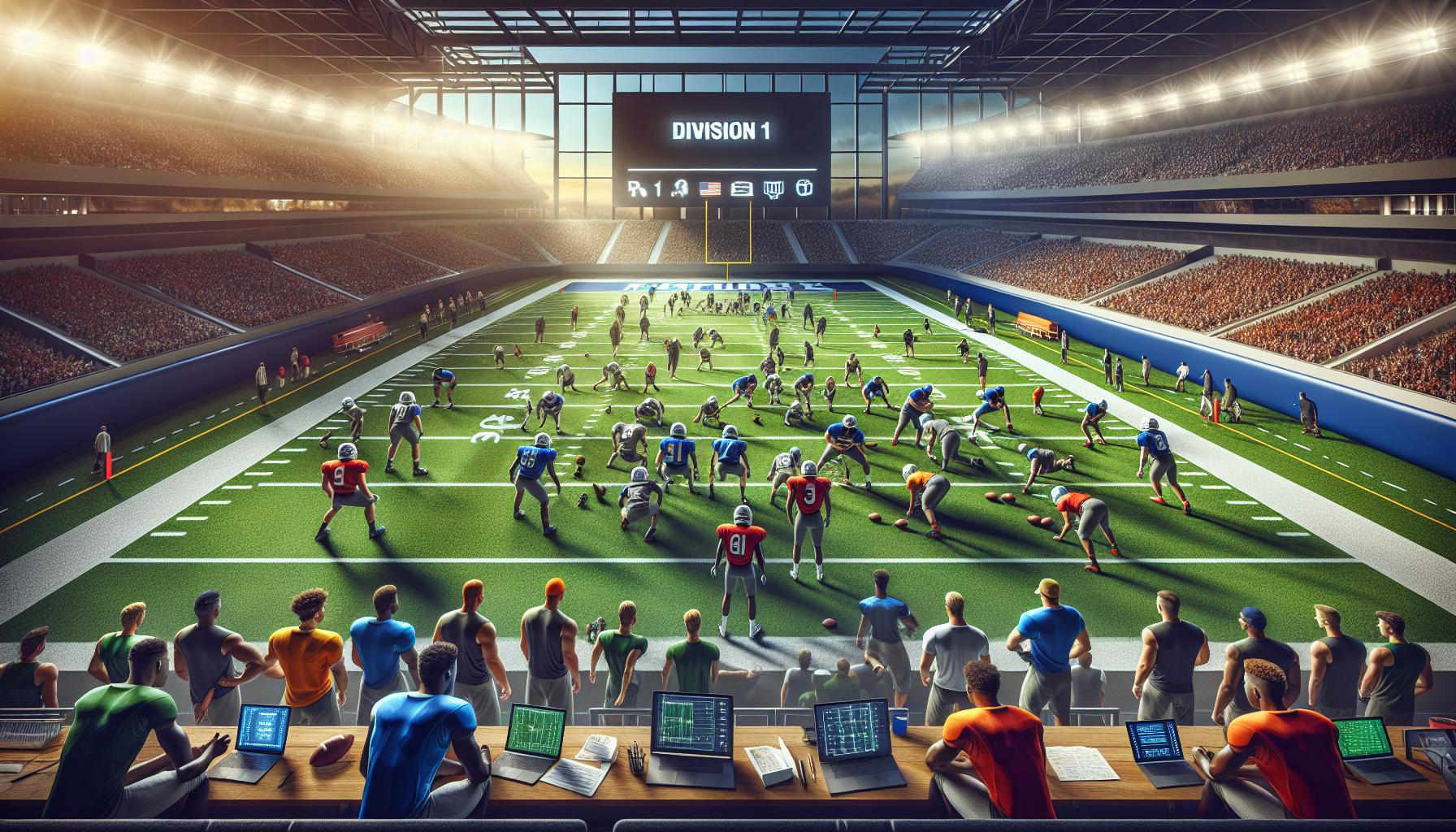
What is Division 1 in College Football?
In the landscape of college athletics, Division 1 (D1) football represents the pinnacle of competition and visibility for aspiring athletes. To put things into perspective, D1 football programs have significant national recognition, massive fan bases, and substantial financial resources compared to their counterparts in Division 2 (D2) and Division 3 (D3). These programs are located in prestigious institutions that often boast larger student bodies, advanced facilities, and greater governmental and community support, which collectively fuel a vibrant football culture.
D1 schools compete in the NCAA’s Football Bowl Subdivision (FBS), which includes well-known conferences such as the SEC, Big Ten, and Pac-12. These conferences generate considerable revenue through television contracts, sponsorship deals, and ticket sales, translating into high-stakes games and widespread media coverage. Consequently, D1 football is not just a sport; it’s a major entertainment product that captures the attention of millions, leading to a riveting atmosphere on game days and a deep-rooted fan culture that envelops universities.
The level of competition in D1 football is unmatched, showcasing some of the best talents from across the nation. Athletes often train year-round, balancing rigorous practice schedules with academic responsibilities. The commitment required is intense, with players subjected to demanding workouts, film study, and strategic learning-all aimed at elevating their performance during critical matchups. For many, excelling at this level can be a pathway to professional opportunities in the NFL or other sports leagues, making the stakes tremendously high for student-athletes who aspire to achieve greatness in both their athletic and academic endeavors.
Understanding the Importance of NCAA Divisions
In college athletics, the NCAA divisions play a crucial role in shaping the competitive landscape and opportunities available to student-athletes. Understanding the distinctions among these divisions is essential for aspiring athletes, coaches, and fans alike. Each division has its guidelines, level of competition, and scholarship availability, which impacts the overall college sports experience.
NCAA Division 1 (D1) is often viewed as the most prestigious tier in collegiate athletics, particularly in football. This division hosts the largest programs with the most extensive resources, including impressive facilities and substantial financial backing. The emphasis on athletics in D1 institutions fosters an environment where sports are a significant aspect of campus life, generating excitement and community engagement. For student-athletes, competing at this level means engaging in a highly competitive atmosphere where every game and play is subject to intense scrutiny.
One of the key factors in D1 athletics is the availability of athletic scholarships. D1 schools can offer a substantial number of full scholarships, thus making it an attractive option for talented athletes aiming to play at the highest level while receiving an education. The recruiting process in D1 is rigorous and widespread, with scouts and coaches constantly on the lookout for top talent across the nation. This means that for high school athletes aspiring to play D1 football, building their skills, exposure, and maintaining academic excellence is vital.
Moreover, the implications of D1 status stretch beyond competition; they influence athlete development and even future career prospects. Performing well in D1 can open doors to professional opportunities, including the NFL. The recognition and experience gained at this level can be pivotal in a student-athlete’s journey, motivating them to not only excel in their sport but also in their academic pursuits. helps demystify the complex world of college sports, empowering athletes to make informed decisions about their futures.
Key Differences Between D1, D2, and D3 Football
In the world of college football, understanding the distinctions among NCAA Division 1 (D1), Division 2 (D2), and Division 3 (D3) is crucial for student-athletes and fans alike. Each division not only varies in competitive intensity but also in the opportunities it provides for scholarships, facilities, and overall player experiences.
D1 football represents the highest level of competition, characterized by large rosters, extensive resources, and substantial media coverage. Schools in this division, such as Alabama and Ohio State, often boast some of the best athletic facilities and training programs available, offering significant exposure both on and off the field. In contrast, D2 programs strike a balance, allowing schools like Minnesota State and West Texas A&M to provide competitive football while emphasizing a more intimate athletic experience. D2 teams still compete at a high level but typically have fewer scholarships available, which can lead to a more diverse range of player backgrounds and experiences.
D3, while still competitive, places less emphasis on athletics compared to academics. Institutions like Williams College and Emory University prioritize the student experience over athletic performance, not offering athletic scholarships at all. This means that players in D3 are often there primarily for their academic pursuits, which shapes a different team dynamic and culture. Additionally, the recruitment process is less intense in D3, allowing athletes to participate in sports without the pressure often associated with the higher divisions.
Overall, the key differences among D1, D2, and D3 football lie in the scholarship availability, level of competition, and institutional priorities. These factors play a vital role in shaping each athlete’s college experience and should be considered carefully by aspiring football players when choosing the right program for their development. Understanding these distinctions empowers student-athletes to make informed decisions about their futures in academics and sports.
How D1 Football Affects College Athlete Scholarships
In the high-stakes realm of college football, NCAA Division 1 (D1) programs stand out not just for their competitive prowess but also for their substantial scholarship offerings, which can dramatically shape an athlete’s future. D1 schools often have larger athletic budgets compared to their D2 and D3 counterparts, allowing them to offer full scholarships to a significant number of players. This is particularly impactful because football requires sizable rosters, and D1 institutions typically have the means to provide financial support to a broader pool of talent. For many student-athletes, these scholarships represent not only a chance to pursue their passion for football but also an opportunity to receive a quality education without the burden of tuition costs.
D1 football programs can offer around 85 full athletic scholarships per team, while D2 programs are limited to 36, and D3 schools do not provide any athletic scholarships at all. This disparity means that student-athletes at D1 schools often have a significant financial incentive to excel both on the field and in the classroom. Furthermore, the resources available to D1 athletes-such as top-tier coaching staff, state-of-the-art facilities, and extensive training programs-place them in an environment designed for success. These advantages can lead to not just athletic development but also improved academic outcomes, creating well-rounded individuals who are prepared for life after college.
However, the competition for these lucrative scholarships is fierce. Many high school athletes aiming for D1 scholarships must navigate intricate recruiting processes, showcasing their skills at camps, combines, and through highlight reels. The level of exposure received at D1 programs can also elevate an athlete’s prospects for post-collegiate careers-whether in professional sports or other fields-simply by virtue of being part of a high-profile program that receives extensive media coverage. This visibility can open doors that might remain closed for athletes in lower divisions, making the pursuit of a D1 football scholarship a key goal for many aspiring players.
As college sports continue to evolve, it’s also vital to emphasize that D1 athletic scholarships are not solely about financial gain; they can forge lasting friendships, build character, and instill a strong sense of discipline and teamwork. These experiences can profoundly shape a student-athlete’s college journey, providing lessons and memories that extend far beyond the football field.
Exploring the D1 Football Recruiting Process
The journey to securing a spot on a D1 football team is as exciting as it is competitive, as the stakes are high for both athletes and programs. Understanding the intricacies of the recruiting process can significantly enhance a player’s chances of being noticed by college coaches. High school athletes must not only demonstrate their exceptional skills on the field but also navigate a strategic path that opens doors to the right opportunities.
To start, athletes should invest time in building a comprehensive athletic profile that showcases their talents. This often includes creating highlight reels, which are crucial for capturing the attention of college scouts. These videos should feature a player’s best plays, showcasing not just athleticism but also versatility and teamwork. Alongside the highlight reel, maintaining an updated resume that details accomplishments, statistics, and physical attributes can help present a well-rounded picture to coaches.
Networking and Exposure
Networking plays a pivotal role in the recruiting process. Athletes should actively attend showcases, combines, and camps where college coaches are in attendance. Participating in these events not only allows athletes to demonstrate their skills directly to potential recruiters but also provides opportunities to connect with coaches and other players. Establishing relationships with high school coaches can also be beneficial, as they often have direct links to college programs and can vouch for a player’s character and work ethic.
Understanding Timing and Communication
Timing is crucial in the recruiting cycle. Athletes should familiarize themselves with the NCAA’s recruiting calendar, which outlines when coaches can reach out and evaluate recruits. Effective communication is essential; players should not hesitate to reach out to coaches with questions or updates on their performance. Sending emails to coaches expressing interest in their programs, along with links to highlight reels and athletic resumes, can set an athlete apart. Additionally, being proactive in this manner shows dedication and serious intent.
Focus on Academics
Lastly, while athletic prowess is a key factor in the recruiting process, academic performance holds equal weight. Many D1 programs have specific academic eligibility requirements, and maintaining a strong GPA can enhance an athlete’s appeal. Balancing academics with sports demonstrates a well-rounded character, which is attractive to recruiters. Scholarships can hinge not only on athletic talent but also on the potential for academic success.
By following these steps, aspiring D1 football players can navigate the competitive recruiting landscape with confidence, increasing their chances of achieving their goals and ultimately making a name for themselves in the world of college football.
Top D1 Football Programs and Their Impact
College football’s Division 1 (D1) is where many of the most recognizable programs reside, featuring intense competition and significant media exposure. Schools like Alabama, Ohio State, and Clemson are not just athletic powerhouses; they shape the landscape of college football, influencing everything from recruitment to national perception. Their commitment to excellence draws top talent from across the nation, creating a cycle of success that reinforces their D1 status.
The impact of these elite programs extends far beyond the field. D1 institutions often enjoy substantial financial backing, which translates into state-of-the-art facilities, comprehensive training programs, and scholarships for talented athletes. For instance, the University of Alabama’s football program has generated revenue that supports various other athletic endeavors within the university. The visibility these programs achieve through high-profile bowl games and extensive media coverage provides tremendous exposure, further attracting recruits and sponsorships alike.
Moreover, the community and cultural significance of these D1 teams can’t be overstated. They serve as a source of pride for their respective institutions and local communities. The passionate fan bases, huge attendance numbers, and vibrant game-day atmospheres nourish a sense of belonging among students and alumni. These experiences foster a familial connection that often lasts a lifetime, with successful programs crafting narratives that resonate with generations of fans.
The commitment to success seen in D1 football programs has also raised expectations regarding player development and performance. With a focus on both athletic and academic achievement, these institutions emphasize balance, preparing athletes for potential professional careers while ensuring they receive a college education. As such, D1 football programs not only influence the current sports landscape but also play a pivotal role in cultivating the future of football and its players.
The Role of D1 in College Football Championships
In the landscape of college football, Division 1 (D1) is often regarded as the pinnacle of competition, particularly when it comes to championships. The NCAA Division 1 Football Championship, especially within the context of the Football Bowl Subdivision (FBS), showcases the elite programs vying for the ultimate accolade: a national title. D1 teams are frequently found in the spotlight during bowl season, with prestigious matchups that not only highlight on-field talent but also enhance the overall visibility and prestige of the programs involved.
Competitive Landscape
D1 teams compete in conferences that not only set the stage for intense rivalries but also dictate the path to the championship. Conferences like the Southeastern Conference (SEC) and the Big Ten consistently produce strong contenders, demonstrating a high level of talent and coaching. The playoff system has further elevated the stakes, as only the top four teams are selected to compete in the College Football Playoff (CFP), which culminates in a national championship game. This system ensures that every game counts-teams must perform at their best throughout the season to secure a coveted playoff spot, reinforcing the idea that excellence is paramount in D1 football.
Impact and Influence
The implications of D1 football championships extend beyond just winning. Success in these prestigious events greatly influences recruiting. When a program is successful, it becomes a magnet for top high school talent; players aspire to join a winning tradition that promises not just athletic development but also exposure to professional opportunities. Moreover, championship success contributes to a university’s overall brand, attracting sponsorships and increasing funding for various athletic programs.
Additionally, the fan experience around D1 championships is unparalleled. The atmosphere generated during bowl games and playoff matchups creates a sense of community and excitement that resonates with alumni and local fans alike. The commitment to winning fosters a culture of support, with communities rallying behind their teams. This unique blend of athletics and local pride not only enhances the championship experience but also solidifies the role of D1 programs as integral parts of their respective communities.
In essence, D1 football championships encapsulate a blend of athletic prowess, strategic importance, and cultural significance, making them a crucial component of college football’s identity. The journey through the D1 championship landscape is not just about titles, but about community, legacy, and the relentless pursuit of excellence by both players and institutions alike.
Fan Culture and Community Support in D1
In the thrilling world of Division 1 football, the fervor of fan culture and community support serves as a cornerstone of the experience-transforming games into grand events that bring together fans from all walks of life. On game days, stadiums swell with enthusiastic supporters decked out in their team colors, creating a sea of spirit that reverberates well beyond the confines of the field. Whether it’s a long-standing rivalry or the excitement of a playoff game, the bond between fans and their teams fosters an environment of camaraderie and pride that is truly unmatched.
The passionate fan base in D1 football goes beyond mere attendance; it’s about a shared culture of commitment and loyalty. Many communities rally around their college programs, viewing them as extensions of their identities. Locals often form tailgating traditions, where friends and families gather before games to enjoy food, music, and festivities. This vibrant pre-game atmosphere sets the stage for an electrifying game day, reinforcing the notion that D1 football is a communal event rather than just a sporting one. These gatherings create lasting memories and strengthen community ties, making each game a celebration of local pride.
Moreover, the influence of dedicated fandom is palpable during critical moments, such as playoff runs or bowl games. The excitement of a championship season can galvanize whole communities, with businesses often reporting increased foot traffic and sales as fans gather to cheer on their teams. Schools that excel in D1 football become a focal point for alumni as well, enhancing engagement through social gatherings and watch parties, showcasing the profound impact of D1 programs on local and collegiate communities alike.
Ultimately, the experience of D1 football transcends the scoreboard. It is about more than victory or defeat; it’s a living testament to the power of community, shared values, and a collective goal. Every cheer, chant, and celebration underscores the significance of fan culture in D1 football, amplifying the impact of the sport far beyond the final whistle.
Challenges Faced by D1 Football Programs
In the high-stakes environment of Division 1 football, programs face a multitude of challenges that can significantly impact their success both on and off the field. The intense competition for talent, financial sustainability, and compliance with NCAA regulations are just a few of the hurdles that athletic departments must navigate. Understanding these challenges helps fans and stakeholders appreciate the complexities behind the scenes of their favorite teams.
One major issue is the intense recruitment competition. Division 1 programs are continually vying for the best high school athletes, not only from within their state but also on a national level. Coaches must be strategic; they not only need to showcase the strengths of their programs but also navigate the dynamics of recruiting battles with other schools. Successful recruitment often requires teams to provide athletes with appealing scholarship offers, academic support, and future career opportunities, making it crucial to maintain robust relationships with high school coaches and families.
Another challenge is financial sustainability. While D1 programs often boast substantial budgets, many are under pressure to generate revenue to support their sports. This situation can lead to difficult decisions about staff retention, facility upgrades, and the hiring of qualified personnel. Programs must strategically manage expenses and enhance fundraising efforts through alumni engagement and community partnerships. It’s not uncommon for D1 programs to rely heavily on football revenues to support other athletic programs, leading to increased scrutiny and pressure to perform.
Additionally, the landscape of college sports is continually evolving, especially in terms of NCAA regulations on athlete compensation. With recent changes allowing athletes to profit from their name, image, and likeness (NIL), D1 programs must adapt their strategies to attract top talent. This shift creates both opportunities and challenges, as programs strive to effectively integrate NIL initiatives without compromising their core values or jeopardizing team cohesion.
As D1 football continues to be a platform for athletic excellence, addressing these challenges requires a blend of strategic foresight, financial acumen, and a deep commitment to building a supportive and sustainable culture for athletes. Every program’s ability to navigate these complexities will be crucial in determining their long-term success and standing in the broader world of college athletics.
What Makes D1 Football Unique?
The atmosphere surrounding Division 1 (D1) football is unlike any other level in college athletics, created by a blend of elite competition, widespread fan engagement, and substantial resources. D1 programs are not just about the games; they serve as the pinnacle of college sports, showcasing athletes with extraordinary talent and dedication. One of the hallmarks that sets D1 football apart is the level of exposure and media attention it commands. Network deals with major broadcasters ensure that games are viewed by millions, and this visibility enhances recruitment opportunities and elevates school pride.
D1 football also offers athletes the chance to compete at the highest level, which is crucial for those aspiring to play professionally. With rigorous training regimens and access to top-notch facilities, these programs invest heavily in developing athlete skills. Many D1 schools have dedicated sports science teams that leverage technology to optimize performance and aid recovery, equipping players with tools that are often unavailable at lower divisions. This focus on athlete enhancement not only produces better players but also raises the overall standard of play that fans and scouts eagerly anticipate.
Moreover, the significance of D1 football extends beyond the field; it deeply influences college life and culture at participating universities. Tailgating, game day traditions, and a vibrant student body create an electrifying atmosphere that fosters community and loyalty. Many D1 programs also benefit from robust alumni networks that contribute to program sustainability and growth, enhancing both financial resources and mentorship opportunities for current players.
In addition, the transition to the current landscape of college athletics, with the introduction of Name, Image, and Likeness (NIL) rules, has made D1 football even more unique. Athletes can now monetize their personal brands while competing, which adds another layer of appeal to prospective recruits. This dynamic is transforming how programs attract and retain talent while maintaining compliance with NCAA regulations. In essence, the uniqueness of D1 football lies not just in the games played, but in the comprehensive experience it offers athletes, schools, and communities alike.
Future Trends in D1 College Football
The landscape of Division 1 college football is rapidly evolving, driven by changes in technology, athlete needs, and shifting cultural expectations. Future trends are poised to not only change how the game is played but also how it is experienced by athletes and fans alike. One significant trend is the increased focus on athlete wellness and mental health. As pressure mounts on players to perform at elite levels, D1 programs are beginning to implement more comprehensive support systems. This includes mental health resources, sports psychology programs, and nutrition guidance, creating an environment where athletes can thrive both on and off the field.
Another pivotal change is the integration of advanced technology into training and game strategies. Data analytics are becoming an essential tool for coaches and players. Through the use of wearable devices and performance-tracking software, teams can analyze player metrics down to minute details, allowing for tailored training regimens that enhance performance. Virtual reality may also play a role, simulating game scenarios that help athletes improve their skills without the physical strain associated with traditional practice. As these technologies advance, we can expect to see even more innovative training methods that push the boundaries of player development.
The financial landscape of D1 football is also changing dramatically, particularly with the introduction of Name, Image, and Likeness (NIL) initiatives. This shift allows athletes to monetize their personal brands, fundamentally altering recruitment dynamics. Programs that effectively leverage these new opportunities will attract top talent, while others may struggle to keep pace, leading to potential disparities within D1 football itself. Schools that embrace this change creatively, engaging with athletes around their brands and partnerships, can foster a more supportive culture that enhances competitiveness both on and off the field.
Lastly, the fan experience is likely to undergo a significant transformation, as new media platforms and social media engagement redefine how supporters interact with the game. Enhanced broadcast options, including virtual viewing experiences and interactive features, will enable fans to engage with the game in unprecedented ways. As D1 football continues to adapt to these trends, it will not only maintain its status as a premier level of college athletics but also evolve into a more inclusive and dynamic environment for everyone involved-athletes, fans, and institutions alike.
Q&A
Q: What is the difference between D1 and D2 football?
A: D1 football represents the highest level of college athletics, characterized by larger recruiting budgets, more athletic scholarships, and more substantial media coverage compared to D2. D2 schools still compete seriously, but they have different standards regarding practice time and scholarships, focusing more on balancing academics and athletics.
Q: How do D1 football scholarships work?
A: D1 football scholarships are mostly full-rides covering tuition, fees, and room and board. Programs can offer 85 scholarships per team, allowing coaches to recruit talented athletes effectively. Understanding scholarship distribution is key for student-athletes aiming to play at this level.
Q: What are the benefits of playing D1 football?
A: Playing D1 football offers numerous benefits, including enhanced exposure to professional scouts, access to state-of-the-art facilities, and opportunities to compete for national championships. Athletes also gain significant experience that can be valuable for future careers, both in sports and beyond.
Q: Can D1 athletes transfer to another level?
A: Yes, D1 athletes can transfer to D2 or D3 programs. However, they often need to navigate NCAA transfer rules, which may include a year of residency before competing again. It’s essential for athletes to understand these regulations and seek guidance to ensure a smooth transition.
Q: How does the recruiting process differ for D1 football?
A: The D1 football recruiting process is more intense and competitive, starting as early as a student-athlete’s sophomore year. Coaches actively scout during high school games and camps, offering scholarships to standout players. Athletes should be proactive in showcasing their skills and fitting into the recruiting timeline.
Q: What role does fan culture play in D1 football?
A: Fan culture in D1 football is vibrant and influential, creating a sense of community and belonging. Engaged fan bases contribute to a competitive atmosphere, often affecting player performance and recruitment. Schools with strong traditions and loyal fans create electrifying game-day experiences.
Q: What are the challenges faced by D1 football programs?
A: D1 football programs face challenges including balancing academics and athletics, maintaining compliance with NCAA regulations, and managing financial pressures related to scholarships and facilities. Effective management is essential for program sustainability and athlete success.
Q: How has D1 football evolved in recent years?
A: D1 football has evolved significantly with increased emphasis on player welfare, including mental health resources and NIL (Name, Image, Likeness) rights. These changes are driving recruitment strategies and altering the landscape of college athletics, making it important for stakeholders to adapt.
Concluding Remarks
Now that you have a clearer understanding of what D1 means in football and how it impacts college athletics, you can take your knowledge a step further. For those eager to explore related topics, check out our guides on college football recruiting trends and the distinctions between D1, D2, and D3 programs – both great resources for any aspiring athlete or fan.
Don’t miss out on crucial updates! Subscribe to our newsletter for the latest insights and expert advice in college sports, ensuring you’re always ahead of the game. If you have any lingering questions or need personalized guidance, feel free to reach out-we’re here to help you navigate the exciting world of college football!
Exploring our site further will not only deepen your understanding but also connect you to a vibrant community of football enthusiasts. Let’s keep the conversation going; your insights in the comments would be invaluable!