Sockets are essential components that enable the seamless connection of electrical devices to power sources, a fundamental aspect of our daily lives. Did you know that understanding the different parts of a socket can help you troubleshoot issues or make informed choices when buying electronics?
In this article, we’ll explore what a socket consists of, breaking down its components and functionality in simple terms. Whether you’re a tech novice or a seasoned pro, grasping the basics of sockets empowers you to tackle hardware inquiries and enhances your confidence in navigating electrical systems. Join us as we demystify this crucial element of our technology-driven world, giving you practical insights that will serve you well in your electronic endeavors.
What Is a Socket and Its Purpose?
A socket is an essential tool in both mechanical and electronic settings, acting as the endpoint for various fastening tasks. At its core, a socket is designed to fit over a fastener, like a nut or bolt, allowing users to apply torque with ease. This functionality transforms what could be a labor-intensive job into a more manageable and efficient process. Whether you’re a seasoned mechanic or a weekend DIY enthusiast, understanding what sockets are and their intended purpose can significantly enhance your toolbox.
In terms of usage, sockets come in various sizes and shapes, correspond to different fastener types, and attach to a variety of tools, including ratchets, torque wrenches, and breaker bars. Their versatility allows you to tackle diverse tasks, from assembling furniture to performing complex automotive repairs. For example, a deep socket is ideal for reaching fasteners that are recessed, whereas a standard socket easily handles exposed nuts and bolts.
With multiple applications, sockets are invaluable for ensuring proper tension and secure connections in countless devices and machines. They make routine maintenance more straightforward by allowing quick access to tightly secured components, thus facilitating repairs and adjustments. Embracing the right types of sockets not only increases efficiency but also minimizes the risk of damaging fasteners or surrounding materials during projects.
By understanding the primary functions and purposes of sockets, users can confidently select the right tools for their specific needs, ensuring that every project, big or small, runs smoothly. Whether you’re working at home or in a professional environment, having a well-equipped socket set can make all the difference in achieving the desired results.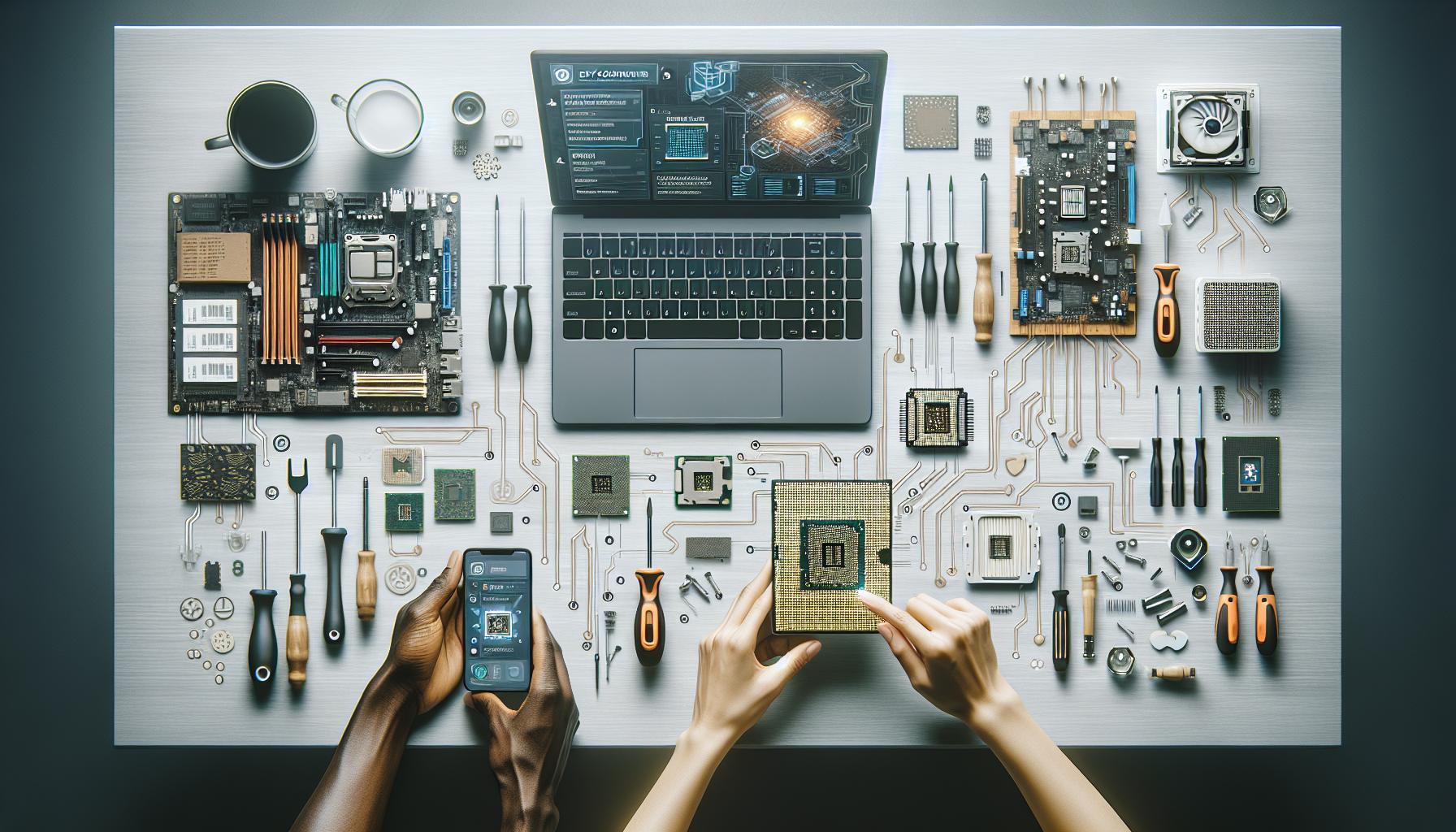
Key Components of a Socket Explained
Understanding the internal components of a socket can significantly enhance your effectiveness when tackling projects, whether they’re related to mechanical or electronic applications. At its core, a socket comprises several key elements that work together to perform its essential functions. Each component contributes uniquely, enabling users to achieve optimal results during fastening tasks.
Key Components of a Socket
The basic design of a socket features a few critical components:
- Socket Body: The main structure that houses the internal components. Typically made from durable materials like chrome vanadium steel or chrome molybdenum, this part is engineered to withstand high levels of torque without distortion.
- Drive Socket: This is the opening at the back of the socket that connects to tools such as ratchets or breaker bars. It often comes in standard sizes (e.g., ¼”, ⅜”, ½”) to ensure compatibility with various tools.
- Hex Opening: The internal profile of the socket designed to fit over the fastener (like a nut or bolt). Various shapes such as hexagonal, square, and twelve-point openings accommodate different fastener types. This shape is crucial for delivering maximum grip and torque.
- Wall Thickness: The thickness of the socket walls can affect durability and performance. Thinner walls might provide easier access to confined spaces, while thicker walls can offer more strength for higher torque applications.
When you understand these components, you can choose the right socket to suit your specific needs. For instance, using a socket with a twelve-point opening allows for greater flexibility in positioning compared to six-point sockets, making it easier to work in tight spaces. Furthermore, a well-designed drive socket ensures a secure connection between the tool and the fastener, reducing the risk of slippage or rounding off the edges of the fastener.
Every aspect of socket design is refined for performance and practicality, allowing users to tackle a variety of tasks with confidence. Knowing these fundamental components empowers you to make informed decisions when selecting or upgrading your socket set, ensuring you’re well-equipped to handle any project that may come your way.
Types of Sockets: A Comprehensive Guide
Understanding the various types of sockets available can significantly assist you in selecting the right one for your needs, whether you are a DIY enthusiast or a professional. Sockets come in many shapes and sizes, each designed to fit specific applications and tools. Here’s a look into the most common types of sockets you might encounter.
Common Socket Types
- Standard Sockets: These are the most common sockets, featuring hexagonal shapes that fit over nuts and bolts. They come in various sizes to accommodate different fastener sizes, making them versatile for general use.
- Deep Sockets: These sockets are deeper than standard ones, allowing for extra reach. They are ideal for fasteners that are recessed or have longer threads, providing better access in tighter spots.
- Universal Sockets: Designed not to be limited by the size or shape of fasteners, these flexible sockets can adjust to fit various shapes, making them handy for odd-sized or worn fasteners.
- Impact Sockets: Crafted from tougher materials, impact sockets can withstand higher torque levels. They are typically used with impact wrenches and are distinguishable by their black coating.
- Socket Extensions: These are not sockets per se but valuable accessories that allow standard sockets to reach deeper into confined spaces. They can significantly enhance your ability to access hard-to-reach fasteners.
- 12-Point Sockets: Featuring a 12-sided opening, these sockets offer greater flexibility in positioning than the 6-point varieties, making it easier to fit over fasteners in tight spaces.
Choosing the right type of socket can make a substantial difference in your project’s efficiency. Ensure that you match the socket type with the specific tool you are using; for instance, standard sockets work well with ratchets and breaker bars, while impact sockets are designed for use with impact drivers. By understanding the distinctions among socket types, you can empower yourself to tackle various tasks with confidence and achieve accurate, reliable results.
How Sockets Work: The Basics Simplified
Understanding how sockets work can significantly enhance your DIY or professional projects, providing you with the knowledge to tackle various tasks with ease. At their core, sockets are designed to grip and turn fasteners, allowing you to apply torque effectively. Each socket is engineered to fit specific shapes and sizes of nuts and bolts, creating a secure connection that facilitates the application of force without slipping.
The basic structure of a socket typically includes a hollow cylindrical body, an opening at one end that is shaped to match the specific profile of the fastener, and a drive square on the other end for attaching to a ratchet or other tool. When you insert a socket onto a fastener and apply torque via a ratchet or breaker bar, the socket evenly distributes the force around the fastener. This action not only prevents damage to both the fastener and the tool but also allows for greater efficiency when loosening or tightening hardware.
Different types of sockets work under varying conditions. For instance, impact sockets are made from heavy-duty materials that can withstand the high torque and stress from impact wrenches, ideal for automotive repairs or heavy equipment work. In contrast, standard sockets are typically used in lighter applications, such as assembling furniture or minor home repairs. The fit of the socket is crucial-poorly fitting sockets can result in stripped fasteners or damaged tools, so always ensure the socket size matches the fastener.
Using sockets efficiently requires some basic techniques. For example, when loosening a fastener, remember to turn counterclockwise, often requiring a solid grip and possibly the application of penetrating oil for rusted connections. Conversely, when tightening, use a systematic approach to avoid over-torquing, which can lead to fastener damage. By mastering these fundamental concepts, you can confidently tackle projects and repairs, understanding that the correct application of socket tools is essential to success.
Materials Used in Socket Manufacturing
Sockets are crafted from a variety of materials, each chosen for its unique properties to ensure durability, strength, and adaptability to specific tasks. Understanding these materials is crucial for selecting the right socket for your project, as it directly impacts performance and safety.
One of the most common is steel, particularly chrome vanadium or chrome molybdenum. These alloys are favored for their strength and resistance to wear, making them ideal for handling the intense torque applied during fastening tasks. Chrome vanadium is particularly renowned for its lightweight design without compromising strength, while chrome molybdenum offers an even higher tensile strength, suitable for heavy-duty use.
Additionally, sockets may be coated with materials such as chrome or black oxide, enhancing their corrosion resistance and giving them a sleek finish. The chrome plating not only protects the socket from rust but also facilitates easy cleanup after use. On the other hand, black oxide coatings are preferred by many professionals as they provide better gripping capabilities and minimize glare.
For specialized applications, manufacturers may use advanced materials like impact-grade steel for impact sockets. This material is engineered to withstand repeated high-stress situations without cracking or deforming, making it a favorite in automotive work and industrial settings. Another emerging material is titanium, known for its lightweight and superior strength ratio, making sockets easier to handle without sacrificing performance.
In conclusion, the choice of material significantly affects the socket’s functionality, durability, and suitability for various tasks. When selecting sockets, consider the material based on the specific demands of your project to ensure optimal results and longevity.
Understanding Socket Specifications and Ratings
is crucial for anyone looking to achieve optimal performance and safety in their projects. Whether you’re a novice DIY enthusiast or a seasoned professional, being able to decipher these specifications empowers you to choose the right tools for your tasks.
When examining socket specifications, you will frequently encounter information such as drive size, point type, and size markings. The drive size, for instance, refers to the square opening on the socket that fits onto a ratchet or wrench. Common sizes include 1/4 inch, 3/8 inch, and 1/2 inch. It’s essential to match the drive size with the corresponding wrench or ratchet to ensure a snug fit and prevent slipping during use.
Another important aspect is the point type, which affects how the socket grips the fastener. Sockets can be either 6-point or 12-point, with 6-point sockets typically offering more grip and being less likely to round off fasteners compared to their 12-point counterparts. The choice between the two often comes down to the specific application and the type of fasteners you’re dealing with.
Additionally, ratings often indicate the material composition and any testing that the socket has undergone. For example, chrome vanadium sockets are often rated for high torque, making them suitable for demanding jobs, while impact sockets may be rated for withstanding prolonged use under high-stress situations. A clear understanding of these ratings allows you to select sockets that won’t just fit your fasteners but also endure the physical demands placed on them during use. Choosing sockets with the appropriate specifications ensures not only efficiency and ease of use but also enhances safety, reducing the risk of equipment failure during critical tasks.
In summary, familiarity with socket specifications and ratings can dramatically improve your tool selection processes, ensuring you have the right tool for the right job, boosting your confidence, and ultimately leading to better outcomes in your projects.
Common Socket Applications in Everyday Devices
Everyday devices are heavily reliant on sockets, which serve as crucial interfaces in various applications. From the simple light switch in your home to complex technology like computer hardware, sockets play an essential role in connecting and controlling power and signals, making our lives more convenient and efficient.
Common Applications of Sockets
- Electrical Outlets: The most common type of socket, found in homes and offices, allows the connection of electrical devices to a power source. These include everything from lamps to computers.
- Light Fixtures: Sockets in light fixtures enable bulbs to receive power. Understanding compatibility with various bulb types (incandescent, LED, or fluorescent) is vital for energy efficiency.
- Computer Hardware: The communication between computer components, like the CPU and motherboard, relies on various socket types, including PCIe and CPU sockets. These ensure efficient data transfer and system performance.
- Network Devices: Ethernet sockets facilitate wired networking, helping connect devices to the internet with stable and high-speed data transfer.
- Telecommunications: Sockets are used throughout telecom systems, allowing connections between lines and devices, ensuring seamless communication.
The versatility of sockets extends beyond power delivery; they are integral to numerous IoT devices that connect to home networks, enhancing automation and control of appliances. For example, smart plugs-an evolution of traditional sockets-allow you to manage devices remotely via smartphone applications, significantly improving energy efficiency and convenience.
Understanding how these sockets function and where they are commonly found can empower you in your DIY projects or when making informed decisions about device purchases. Choose the right socket type for your needs, ensuring safety and efficiency in your everyday applications.
Troubleshooting Socket Issues: Common Problems
Sometimes, even the most reliable sockets can encounter issues that disrupt your daily routine. Whether it’s an electrical outlet in your home or a crucial computer connection, knowing how to troubleshoot socket problems can save you time and money. Common issues might include sockets that don’t deliver power, signals that fail to connect, or hardware that refuses to recognize a socket. Understanding these problems can empower you to take action quickly, restoring functionality without the need for a technician.
One of the first steps in troubleshooting is to check for any visible damage. Look for cracks, discoloration, or loose connections. For electrical sockets, ensure that the power is turned on at the circuit breaker. You can also test the outlet with a simple device, like a lamp or phone charger, to see if it powers on. If the outlet isn’t functioning, try resetting any circuit breakers located in your home, as this can sometimes resolve minor electrical issues.
If working with network or computer sockets, begin by confirming that all cables are securely connected and that there are no signs of wear or damage. For USB or Ethernet sockets, avoid yanking the cables when disconnecting and ensure the connectors are free from dust and debris that might hinder connection quality. If your device still fails to recognize the socket, a driver update may be necessary. Check the manufacturer’s website for the latest software and ensure that the connection is compatible.
For persistent issues, consider consulting troubleshooting guides specific to the type of socket you’re dealing with. Resources like manufacturer support sites can provide detailed steps to diagnose specific problems; for example, pressing the reset button on a malfunctioning electrical socket or using diagnostic tools for network connections can be highly effective. Developing a systematic approach to troubleshooting can transform what might seem like an intimidating task into a manageable problem-solving situation.
By empowering yourself with the knowledge of common socket problems and systematic troubleshooting steps, you can tackle issues confidently and efficiently. Understanding these fundamental aspects allows you to maintain your devices and create a more seamless experience in your daily activities.
Upgrading Your Sockets: What to Consider
Upgrading sockets is not just about enhancing performance; it can also improve safety and compatibility with newer technologies. Whether you’re looking to upgrade an electrical outlet or a computer socket, understanding the factors involved in the upgrade process will help you make informed decisions that suit your needs and environment.
One of the key considerations when upgrading electrical sockets is the power rating required for your devices. Existing sockets may not support the wattage of newer appliances. For example, if you are adding high-load equipment like kitchen gadgets or power tools, opting for a socket with a higher amperage rating can prevent overheating and damage. Likewise, for computer sockets, ensuring they support the latest USB or HDMI standards will guarantee maximum speed and functionality.
Another important factor is the type of socket you plan to install. For electrical sockets, consider whether you need standard, GFCI (Ground Fault Circuit Interrupter), or even tamper-resistant types, especially in areas where children are present. For networked devices, upgrading to a socket that supports Ethernet over PowerLine or USB-C can future-proof your home office setup.
Installation Considerations
Before jumping into installation, it’s crucial to assess whether you have the necessary skills. If you’re not comfortable working with electrical systems, hiring a professional is advisable to ensure safety and compliance with local electrical codes. For data sockets, make sure to follow standard wiring protocols and utilize quality cables for optimal performance.
In terms of aesthetic and functionality, you might also want to think about the socket placement. Upgrading to a more sleek, modern design can enhance the look of your space, while strategic positioning can facilitate better access and usability.
In conclusion, whether for safety or performance, upgrading your sockets offers a wealth of benefits. By evaluating power ratings, types, installation methods, and aesthetic preferences, you’ll not only enhance your current setup but also create a more functional and stylish environment that meets the demands of modern technology.
Safety Tips When Working with Sockets
When dealing with electrical sockets, safety should always be your top priority. One of the most common hazards occurs when sockets are overloaded, which can lead to overheating and potential fires. A simple yet effective approach to prevent this is to regularly check the maximum load capacity of your sockets and ensure that you do not exceed it. Using an extension cord to add more devices may seem convenient, but it’s crucial to understand that not all extension cords can handle heavy loads, so choose those with the appropriate rating.
Regular inspection is vital for maintaining safety. Look for signs of wear, such as frayed wires, discoloration, or a burning smell. If you notice any of these issues, it’s advisable to stop using the socket immediately and consult a professional electrician. Additionally, for areas prone to moisture, such as kitchens and bathrooms, consider installing GFCI (Ground Fault Circuit Interrupter) sockets. These specialized outlets can help prevent shocks by cutting off power when they detect a fault.
When replacing or installing new sockets, make sure to adhere to local electrical codes. This might involve hiring a certified electrician, especially if you are unfamiliar with electrical systems. It’s always better to be safe and ensure that your home’s electrical systems are up to code. If you choose to tackle the installation yourself, turn off the power at the circuit breaker to eliminate the risk of shock while working on the wiring.
Lastly, educate everyone in your household about socket safety. Children should be taught never to insert objects into sockets and the importance of using socket covers to prevent accidents. By fostering a proactive stance on electrical safety and ensuring that everyone understands the basic dos and don’ts, you can create a safer environment for everyone.
The Evolution of Socket Design Through the Years
The journey of socket design reflects the ongoing evolution of both technology and user needs. Originally, electrical sockets were rudimentary and often unsafe, designed simply to provide a connection for electrical appliances. With the widespread adoption of electricity in homes and businesses, the necessity for safe and versatile designs became paramount. Early sockets, often made of metal, posed significant safety hazards, particularly in environments where moisture was a factor. This led to innovations like insulated plugs and the introduction of various safety standards.
As technology advanced, the demand for more functionality and efficiency transformed socket design significantly. The introduction of the Ground Fault Circuit Interrupter (GFCI) sockets marked a pivotal moment in electrical safety, especially in wet areas like kitchens and bathrooms. GFCIs save lives by disconnecting power when they detect a fault, thereby preventing electric shocks. Similarly, the creation of tamper-resistant sockets has greatly enhanced safety, particularly in homes with young children, preventing foreign objects from being inserted.
Modern sockets now come equipped with various features to meet contemporary demands. USB ports integrated into wall sockets have become popular, providing an easy and efficient way to charge devices without the need for bulky adapters. Smart sockets are also on the rise, allowing users to control their electrical devices remotely via smartphones or voice commands. This evolution towards smarter technology illustrates a significant shift in design philosophy-where functionality meets convenience, and safety integrates seamlessly into everyday life.
As we look to the future, socket design will likely continue to evolve. Anticipated advancements may include enhanced energy efficiency, further integration of smart technology, and materials that are both lighter and more environmentally friendly. Embracing these changes can empower homeowners to not only enhance their living spaces but also prioritize safety and technological convenience. Understanding this evolution can inspire confidence in selecting and utilizing the right sockets for any space, ensuring that safety and innovation go hand in hand.
Future Trends in Socket Technology
The future of socket technology promises a transformative shift that not only enhances functionality but also increases safety and environmental consciousness. As we navigate a world increasingly dependent on digital integration, electrical sockets evolve to meet these challenges, making them smarter and more efficient than ever before.
One significant trend is the integration of smart technology within sockets. This allows users to control devices remotely via smartphones or voice assistants, streamlining energy management in homes. Imagine being able to check the status of your appliances and control their usage even while you’re away from home. Smart sockets can also offer energy monitoring features, providing users with insights into electricity consumption, which helps in making informed decisions to reduce energy bills and environmental impact.
Additionally, energy efficiency is a key focus as manufacturers explore materials and designs that minimize power loss during transmission. Innovations like wireless charging capabilities integrated into sockets can facilitate device charging without the need for tangled cables, promoting a cleaner and more organized environment. As the world shifts towards sustainability, there will also be an increasing emphasis on using environmentally friendly materials that reduce our carbon footprint and offer greater durability.
For those interested in upgrading their existing setups, it’s important to consider not just aesthetic choices but also how new technology can enhance day-to-day living. Upcoming sockets may include features such as built-in surge protection and types of user-centered designs, enabling one to charge multiple devices safely and efficiently in one place. As trends evolve, educating yourself about these innovations will empower you to make informed decisions about how these advancements can significantly improve your home or workspace.
In summary, the socket of the future is shaping up to be a hub of connectivity, convenience, and sustainability, catering to the evolving needs of users while prioritizing safety and efficiency. By understanding these trends, you can better prepare to adapt your environment to utilize the best technology available.
Q&A
Q: What are the main components of a socket?
A: A socket typically consists of a housing, terminals, and electrical contacts. The housing protects the electrical components, while terminals provide connections for wires. Electrical contacts ensure a stable connection between the socket and the plug. For more in-depth understanding, check the section on “Key Components of a Socket Explained.”
Q: How do sockets differ from plugs?
A: Sockets are fixed installations that receive plugs, while plugs are mobile connectors that fit into sockets. Each serves distinct purposes: sockets provide power access, while plugs facilitate the connection to devices. For further comparison, see the “Types of Sockets: A Comprehensive Guide” section.
Q: What types of sockets are commonly used?
A: Common socket types include standard electrical sockets, USB sockets, and specialized sockets like those for audio or video equipment. Each serves unique applications and has different designs. Explore more in the “Types of Sockets: A Comprehensive Guide.”
Q: What is the function of socket specifications?
A: Socket specifications define the electrical characteristics, such as voltage, current rating, and compatibility with plugs. Understanding these specifications is crucial for safety and proper device operation. More details can be found in “Understanding Socket Specifications and Ratings.”
Q: Why is it essential to use the correct socket type?
A: Using the correct socket type ensures device safety and operational efficiency. Mismatched sockets can lead to electrical failures or hazards. Check out “Safety Tips When Working with Sockets” for more information.
Q: How can I troubleshoot common socket issues?
A: Common socket issues include loose connections, scorch marks, or electrical surges. To troubleshoot, first ensure safety by cutting power, then inspect for visible damage or wear. Consult “Troubleshooting Socket Issues: Common Problems” for detailed steps.
Q: What materials are commonly used in socket manufacturing?
A: Sockets are usually made of durable materials like thermoplastics for the housing, with copper or brass for electrical contacts. These materials contribute to the socket’s performance and safety. Learn more in “Materials Used in Socket Manufacturing.”
Q: When should I consider upgrading my sockets?
A: Upgrade your sockets if they are outdated, damaged, or not suitable for modern requirements, like USB outlets. Regular upgrades improve safety and compatibility with today’s devices. Review “Upgrading Your Sockets: What to Consider” for guidance.
Future Outlook
Now that you understand what a socket consists of and its role in technology, let’s delve deeper into related topics! Explore our articles on “How Sockets Facilitate Communication” and “Types of Sockets Used in Modern Devices” for more insights. If you have questions or want to share your thoughts, drop a comment below-we love hearing from you!
Don’t miss out on more practical tips! Subscribe to our newsletter for weekly updates that keep you informed and empowered in your tech journey. Remember, mastering these concepts opens up a world of possibilities. Act now to enhance your understanding, and let us guide you on the path to tech-savviness. Your next adventure in knowledge is just a click away!