


In today’s digital landscape, seamless connectivity between devices is more important than ever. Enter Firefox.com/Pair, a user-friendly feature that allows you to quickly link your Firefox browser on your computer with your smartphone or tablet using a QR code. This ensures that your bookmarks, tabs, and history are synchronized, making your browsing experience more efficient.
Many users struggle with keeping their favorites accessible across multiple devices. With Firefox’s pairing option, this concern is eliminated. Simply scan the QR code, and you’re set, empowering you to access your web essentials wherever you are. Curious about how to maximize this feature and simplify your online life? Dive into the details to uncover how Firefox’s innovative approach can enhance your browsing experience!
Understanding Firefox.com/Pair QR Code Technology
The Firefox.com/Pair QR Code technology offers an innovative approach to connecting your devices seamlessly. This feature simplifies the pairing process between your desktop and mobile devices, allowing users to quickly synchronize browsing sessions without the hassle of manual logins or lengthy setups. By scanning a QR code generated on your desktop browser using your mobile Firefox app, you can instantly access your bookmarks, tabs, and history. This is particularly beneficial for those who frequently switch between devices and wish to maintain a cohesive browsing experience.
The technology leverages secure QR codes that provide a quick method for establishing connections, eliminating the need for cumbersome usernames and passwords. When you choose to pair your devices, Firefox generates a unique QR code, ensuring that your connection is both private and secure. This functionality not only enhances user convenience but also strengthens security by avoiding traditional log-in methods that can expose personal information. With Firefox focusing on privacy and user control, the QR pairing feature aligns with its overall ethos of safeguarding user data.
Using the pair feature is straightforward and intuitive, designed for users at all skill levels. Once both devices are set up, the QR code can be scanned in just seconds, making it an efficient tool for busy individuals. As you explore the pairing capabilities, keep in mind the ease of access and the secure nature of your browsing experience. Whether you’re accessing sensitive information on a mobile device or simply syncing your favorite sites, Firefox’s QR code technology makes it easier than ever to stay connected across platforms.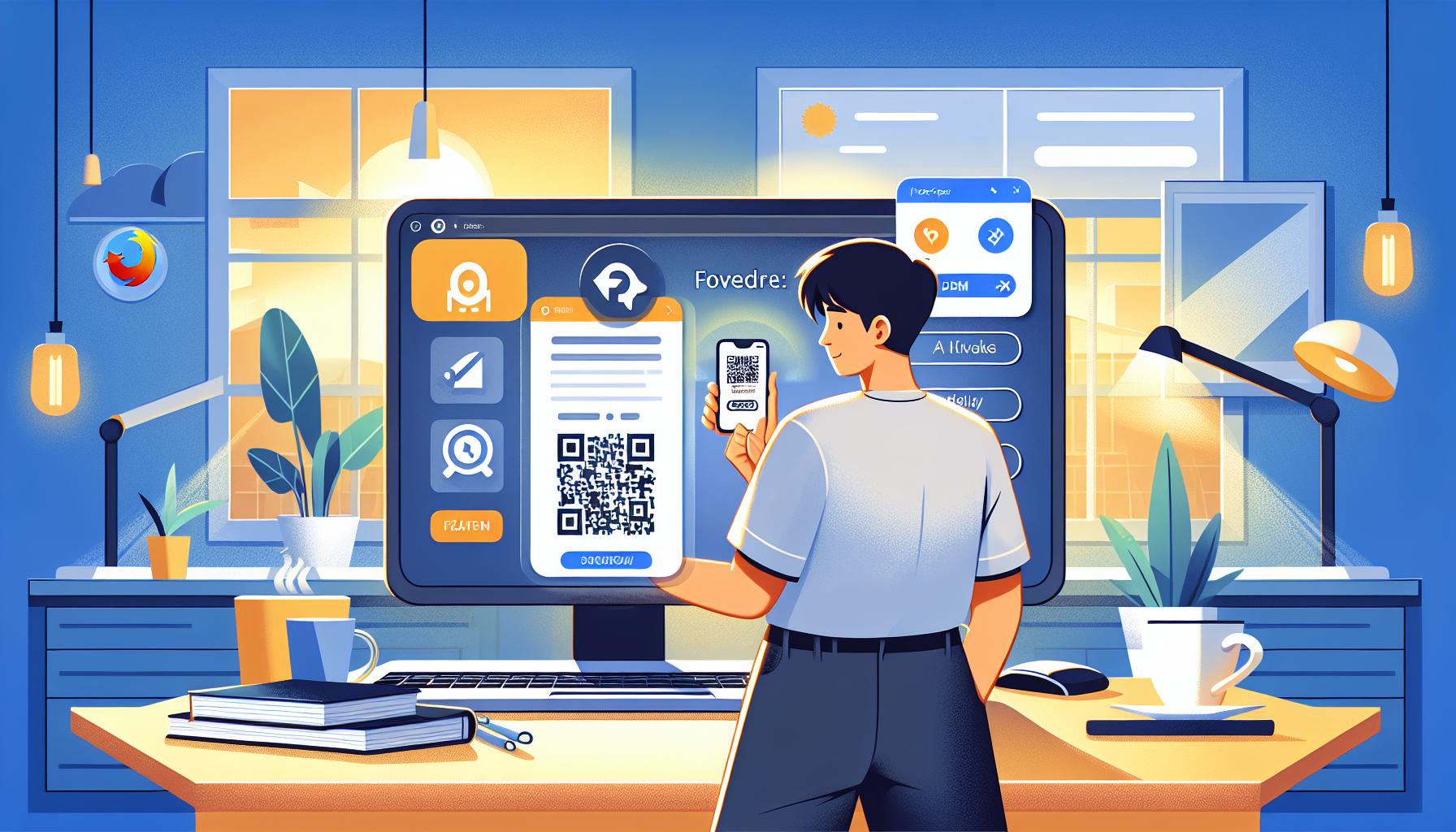
How to Use the Firefox Pair QR Code Feature
To harness the power of the Firefox Pair QR Code feature, begin by ensuring you have both the desktop version of Firefox and the mobile Firefox app installed on your devices. This feature unlocks a seamless digital experience, allowing you to sync your browsing activity with just a quick scan. Whether you want to access your bookmarks, open tabs, or browsing history, pairing your devices makes it so much easier.
Start by opening Firefox on your desktop. You’ll want to navigate to the option that allows you to pair devices, typically found under settings or within your account options. Upon selecting this feature, Firefox will generate a unique QR code. Next, grab your mobile device and open the Firefox app. Look for the “Pair Device” option within the app, and use your camera to scan the QR code displayed on your desktop. Within moments, your devices will be connected, and you’ll have access to all your synced data.
This straightforward process eliminates the need for manual logins or entering settings individually across devices, saving you time and enhancing your online experience. The unique QR code generated ensures that the connection is secure, providing peace of mind while enriching your browsing.
If you encounter any difficulties during the pairing process, consider checking that both devices are using the latest version of Firefox and that your internet connection is stable. By being aware of these straightforward steps and potential troubleshooting tips, you can maximize the efficiency of the Firefox Pair QR Code feature and maintain a fluid operational workflow across all your devices. Embrace this technology and enjoy a more connected and cohesive browsing experience!
Benefits of Pairing with QR Codes in Firefox
The integration of QR code pairing in Firefox represents a significant leap in enhancing user experience and empowering users in their digital interactions. By leveraging this innovative feature, you can achieve seamless connectivity between devices, making it a breeze to sync essential browsing data such as bookmarks, passwords, and open tabs. Imagine being able to switch from your desktop to your mobile device without missing a beat; this is the convenience that Firefox’s QR pairing offers.
One of the most compelling advantages of using QR codes for pairing is the speed and simplicity of the process. Traditional methods of syncing devices often require lengthy setups or multiple manual entries, which can be frustrating and time-consuming. With QR code technology, all it takes is a quick scan from your mobile device to establish a secure connection, drastically reducing the time and effort needed to synchronize your browsing activity. This efficiency is especially beneficial for busy individuals who value their time and prefer hassle-free technology solutions.
Moreover, security is a key consideration in any online activity, and QR code pairing in Firefox is designed with this in mind. The unique QR codes generated for each pairing session ensure that the connection is exclusive to the devices intended, minimizing risks associated with unauthorized access. In a world where data breaches and security threats are ever-present, knowing that your information is protected adds an extra layer of confidence and peace of mind.
Lastly, beyond the immediate benefits of efficiency and security, this QR pairing feature positions Firefox users at the forefront of modern browsing technology. As digital ecosystems evolve, the ability to easily manage and synchronize your online presence across multiple devices is becoming more critical. Users can embrace this trend, feeling empowered to navigate their internet experience with ease and confidence, ultimately enriching their overall engagement with the digital world.
Step-by-Step Guide to Generate a QR Code
Generating a QR code for pairing your devices with Firefox is a straightforward and efficient process that enhances your browsing experience. By following these simple steps, you’ll be able to create a QR code in no time, seamlessly connecting your desktop or laptop to your mobile device.
First, ensure that you have the most recent version of Firefox installed on both your desktop and mobile devices. This ensures compatibility and functionality with the QR code pairing feature. Start on your desktop or laptop by navigating to the Firefox menu, located at the top right corner of the browser window, represented by three horizontal lines. Click on it, then select “Settings” from the dropdown menu.
Once you’re in the settings menu, look for the “Sync” option in the sidebar. Click on it, and you’ll find the option to “Connect your devices.” Here, you will see a button labeled “Generate QR Code.” Click this button, and a unique QR code will be displayed on your screen, ready for scanning.
Now, grab your mobile device and open the Firefox app. Tap the menu button (three horizontal lines) in the bottom right corner and select “Settings.” Under the settings menu, look for the “Sync” option and choose “Pair a device.” Your mobile device will prompt you to scan the QR code. Use your camera to scan the QR code displayed on your desktop. Upon successful scanning, your devices will be paired, allowing you to sync your bookmarks, open tabs, and passwords effortlessly.
This simple yet effective method not only saves time but also ensures a secure connection between your devices, enabling a smooth browsing experience across platforms. Enjoy the convenience of Firefox’s QR pairing technology as you transition from your desktop to mobile and back again!
Troubleshooting Common Issues with Firefox Pair QR Codes
When you’re eager to connect your devices using Firefox’s QR code pairing feature, troubleshooting common issues can make the process smoother and more efficient. It’s not uncommon to encounter a few hiccups along the way. Understanding these problems and their solutions can save you time and ensure you’re utilizing the full capabilities of the Firefox browser.
First, one common issue is the QR code not scanning properly. Ensure that both your desktop and mobile devices are updated to the latest version of Firefox. This maximizes compatibility and reduces potential errors. If the QR code appears blurry or fuzzy, try adjusting the distance between the camera and the screen. A steady hand can help too; consider using a stand or resting your device on a stable surface while scanning. If the QR code is still unresponsive, restart both devices and attempt the pairing process again.
Another frequent challenge is connectivity problems. If your devices have difficulty syncing after the QR code has been scanned, check that both devices are connected to the same Wi-Fi network. A stable internet connection is crucial for effective syncing, as Firefox needs to communicate with its servers for data transfer. If you’re using a VPN or firewall, temporarily disabling it might help identify if these are hindering the connection.
Lastly, privacy settings on either device can interfere with the pairing process. Ensure that the permissions for the Firefox app on your mobile device allow for camera access and that no security applications are preventing your devices from communicating. If issues persist, double-check the sync settings in Firefox; sometimes, turning the feature off and back on can reset the connection.
By keeping these troubleshooting tips in mind, you can navigate the Firefox pairing experience with ease, allowing for a seamless and enjoyable browsing experience. Empower yourself with knowledge, and don’t hesitate to reach out to Firefox support if you need further assistance!
Security Features of Firefox Pair QR Code
The integration of QR code technology in Firefox aims not only to provide convenience but also to enhance security at every step of the pairing process. When you scan a QR code to connect your devices, Firefox employs various layers of encryption and privacy protocols to ensure that your data remains safe and secure during transmission. This approach makes the pairing process not just quick and seamless but also protects your personal information from potential threats.
Encryption and Privacy
Firefox uses end-to-end encryption to safeguard the data exchanged during QR code pairing. This means that the information shared between your devices is encoded, ensuring that only your devices can read the data. Such encryption makes it significantly harder for external parties to intercept or access sensitive data moved through the QR code pairing process. Additionally, Firefox’s commitment to user privacy means that your browsing habits and personal details are not being collected or shared with third parties during this process.
Device Authentication
Another crucial security feature is the authentication required for pairing devices. When establishing a connection through the QR code, Firefox validates each device’s identity. This step ensures that you are only connecting to trusted devices, which minimizes the risk of unauthorized access. By confirming the authenticity of each device involved in the pairing process, Firefox helps to create a secure browsing environment where you can feel confident about your data security.
User Control and Transparency
Firefox promotes a user-centric approach to security by allowing users to control their privacy settings actively. Users can customize what information is shared during the pairing process, offering an added layer of protection. This transparency is vital in building user trust and ensuring that individuals feel empowered about how their information is handled. Always remember to review and adjust your privacy settings periodically to maximize your security.
In summary, the security features surrounding the Firefox QR code pairing not only streamline the process of connecting devices but also fortify your data integrity and privacy. This emphasis on security underscores Firefox’s commitment to providing a safe browsing experience, allowing users to leverage technology without compromising on their personal security. Embrace these features as you explore the capabilities of QR code pairing, knowing that your data is protected every step of the way.
Comparing Firefox Pair QR Code to Other Browsers
When it comes to pairing devices via QR codes, Firefox offers a distinctive approach that stands out against its competitors. Many browsers have jumped on the QR code bandwagon, but Firefox enhances the experience with robust security and user-centric features that prioritize both ease of use and privacy. This is crucial in a landscape where data breaches are not uncommon, making the choice of browser a significant consideration for users.
One of the main advantages of using Firefox’s QR code pairing is its end-to-end encryption. While some browsers offer QR code functionality, they may not provide the same level of security during the pairing process. For instance, Chrome’s QR code feature is straightforward for sharing links, but less attention is given to securing the data exchanged during the connection. In contrast, Firefox verifies each device’s identity before establishing a connection, significantly reducing the risk of unauthorized access. This layered security ensures that users can confidently connect their devices without worrying about potential data interception.
Additionally, Firefox puts a strong emphasis on user control and transparency. Unlike some browsers that may track user behavior, Firefox allows users to customize their privacy settings during the pairing process. This means individuals can decide what information is shared, giving them greater control over their data. In a time when online privacy is paramount, this feature is an essential differentiator. Other browsers, such as Safari, provide convenient pairing options but often lack the same degree of user oversight, which can leave users feeling vulnerable.
Another aspect worth considering is the overall usability of the QR pairing feature. Firefox’s interface is designed to be intuitive, ensuring that users of all experience levels can seamlessly connect their devices. For example, creating a QR code to link a smartphone with a computer is as simple as a few clicks. Comparatively, browsers like Edge may integrate QR pairing but can sometimes involve more complex steps that might confuse less tech-savvy users. Overall, Firefox’s dedication to creating an approachable user experience ensures that more individuals can take full advantage of QR code technology, regardless of their comfort level with digital tools.
In summary, Firefox not only simplifies the QR code pairing process but also integrates extensive security measures and user control features. By choosing Firefox, users can enjoy a secure and user-friendly experience that stands out in the crowded browser market.
User Experiences: Real-World Applications of QR Pairing
In today’s digital age, seamless connectivity between devices has become a necessity, and Firefox’s QR pairing feature exemplifies this trend with its user-friendly approach. Imagine having the ability to link your smartphone to your computer in just seconds, effortlessly transferring web pages or content without the hassle of manual input. Users have embraced this technology for a range of practical applications that simplify their daily tasks and enhance their online experience.
One notable real-world application is in educational settings, where students can easily connect their mobile devices to classroom computers to share presentations or access shared resources on the fly. Instead of fumbling with email or USB drives, students can generate a QR code on their computers that their peers can scan, fostering collaboration and streamlining information sharing. This capability not only saves time but also keeps the focus on learning rather than technical difficulties.
Similarly, in professional environments, teams use QR pairing to share links to reports, presentations, or pertinent web pages quickly. During meetings, a presenter can display a QR code that participants can scan with their devices to gain immediate access to the documents being discussed. This feature improves engagement and ensures that everyone is on the same page without anyone needing to type long URLs or search manually.
Moreover, the adaptability of Firefox’s QR code functionality makes it invaluable for remote work scenarios. For instance, freelancers or remote teams can utilize the feature to connect their laptops and mobile devices to access shared files or cloud-based resources, enabling effortless collaboration from anywhere. This ease of use promotes efficiency and keeps projects moving forward without logistical bottlenecks.
The effectiveness of Firefox’s QR pairing not only demonstrates its innovative technology but also highlights how users from various backgrounds have found unique ways to leverage it for enhanced productivity and collaboration. As internet connectivity continues to evolve, features like Firefox’s QR pairing will likely play a critical role in bridging devices and making our digital interactions more intuitive.
Advanced Tips for Maximizing Firefox Pairing Efficiency
Maximizing the efficiency of the pairing process in Firefox through QR codes can transform how you interact with the web. With just a few tips, you can streamline workflows and improve the speed at which you share and access links across devices.
First, consider ensuring that both your computer and mobile device have the latest version of Firefox installed. This guarantees that you benefit from the latest features and security updates, creating a seamless pairing experience. Additionally, keeping your devices connected to the same Wi-Fi network can minimize potential connectivity issues and speed up the QR scanning process, making it even easier to share content.
When generating QR codes, think about the context in which you’ll be sharing information. For example, if you’re presenting in a classroom or during a meeting, create the QR code in advance and display it prominently. This allows participants to scan the code without delays, enhancing engagement. In more informal settings, you can use a dedicated space on a whiteboard or screen to keep QR codes accessible, providing a shared resource for everyone involved.
Tips for Quick Access:
- Bookmark Important Links: For frequently shared URLs, generate a QR code for bookmarks. Store them in a shared document or online space for quick retrieval when needed.
- Test Your QR Codes: Before sharing, always scan your QR codes with another device to ensure they direct to the correct locations. This minimizes confusion and guarantees smooth sharing.
- Create Multiple Codes: If sharing extensive resources, consider generating multiple QR codes for different sections or topics. This helps users find the specific information they need without overwhelming them.
Finally, embrace creativity in how you use this technology. For instance, freelancers can generate QR codes linking to portfolios or resume links, fostering quicker connections with potential clients. In workshops, participants can create personalized QR codes pointing to their projects, facilitating immediate feedback from peers.
By implementing these strategies, you can navigate the world of Firefox QR pairing with confidence, enhancing both your productivity and the experience of those around you. As this feature becomes an integral part of online interactions, you’ll find endless opportunities to innovate and share effortlessly.
Future of QR Codes in Browser Technology
The evolution of QR codes within browser technology promises to redefine how we connect and interact with digital content, making access instant and intuitive. As mobile browsing continues to proliferate, features like Firefox’s QR pairing will likely become standard, facilitating a seamless user experience across devices. This trend towards integration allows for quicker access to content, whether sharing links, documents, or applications, significantly enhancing productivity.
One of the most exciting future possibilities is the refinement of QR codes for personalized experiences. As browsers evolve, so too will their ability to generate QR codes that are context-sensitive, adapting based on user behavior and preferences. Imagine navigating a website where each scan leads you not only to a link but dynamically adjusts the content based on your previous interactions, preferences, or location. This hyper-personalized approach could transform how we find and share information, making it eerily intuitive and relevant.
Furthermore, as augmented reality (AR) technology merges with QR code functionality, the potential for innovative applications expands dramatically. Browsers might incorporate features that allow users to scan QR codes in the real world, linking them directly to interactive AR experiences. For example, scanning a code in a museum could launch a detailed audio tour or immersive visual content on your mobile device, providing richer context and engagement that transcends traditional browsing experiences.
Increased Security and Privacy
In tandem with these advances, the development of more robust security measures to protect personal data when using QR codes will be crucial. Browsers like Firefox are likely to implement enhanced authentication protocols, ensuring that users feel secure in scanning and sharing codes. The emphasis on privacy will remain a priority, especially in a world where data breaches have become increasingly common. Transparent practices surrounding QR code generation and usage will empower users while simultaneously fostering trust in the technology.
As we look to the future, the role of QR codes is set to be more than a simple sharing tool; they will become gateways to a richer, more interactive digital world. By embracing these advancements, users of Firefox and other browsers will find themselves equipped with powerful tools to engage, connect, and explore the web like never before.
FAQs About Firefox.com/Pair and QR Codes
As QR codes continue to reshape our interaction with technology, understanding how to effectively use Firefox’s QR Pair feature becomes essential. You might have questions about its functionalities or troubleshooting tips. Below are some frequently asked questions that can help you navigate the world of QR codes in Firefox more confidently.
What is Firefox.com/Pair?
Firefox.com/Pair is a dedicated feature that allows you to link your mobile device with your Firefox browser on a desktop or another device using a QR code. This seamless connection enables easy access to your bookmarks, history, and open tabs, enhancing your browsing experience across platforms.
How do I generate a QR code in Firefox?
To generate a QR code in Firefox, simply go to the Firefox browser on your desktop, click on the menu icon, and select “Send Tab to Device.” You will see an option to generate a QR code. Scan this code using your mobile device’s camera or QR code reader, and it will automatically link to the content or tab you designated.
What are the benefits of using QR codes in Firefox?
Utilizing QR codes in Firefox offers several advantages:
- Quick Access: Easily transfer links and content between devices without typing URLs.
- Efficient Sharing: Instantly share information with others through QR codes without using text or email.
- Cross-Device Synchronization: Keep all your devices aligned with up-to-date browsing data.
Are there any security concerns with using QR codes?
While QR codes are generally safe, it is wise to be cautious. Ensure that you only scan QR codes from trusted sources. Mozilla’s focus on privacy means that using Firefox for QR pairing comes with built-in security features designed to protect your data as you interact with the web.
What should I do if I encounter issues with Firefox Pair QR codes?
If you experience trouble scanning a QR code or connecting devices, consider these troubleshooting steps:
- Ensure both devices have a stable internet connection.
- Check if you are using the latest version of the Firefox browser.
- Restart both devices and try generating the QR code again.
Feeling comfortable with technology can open up a world of possibilities, and Firefox’s QR Pair feature is just one example of how you can streamline your online interactions. Embrace the convenience of QR codes, and enjoy a more integrated browsing experience across your devices!
FAQ
Q: What is the purpose of the Firefox.com/Pair QR Code feature?
A: The Firefox.com/Pair QR Code feature allows users to sync their browsing experience across devices by easily linking their mobile browser to their desktop version. This technology streamlines access to bookmarks, history, and open tabs, enhancing user convenience.
Q: How secure is using Firefox Pair QR Codes?
A: Using Firefox Pair QR Codes is secure as they use encryption to protect your data. The process involves scanning a unique code that is temporary and tied to your session, minimizing the risk of unauthorized access. For more on security features, see our section on “Security Features of Firefox Pair QR Code.”
Q: Can I use Firefox Pair QR Codes on multiple devices?
A: Yes, you can use Firefox Pair QR Codes on multiple devices. Simply scan the QR code from each device you wish to link. This allows seamless syncing and access to your browser’s features across various platforms.
Q: What should I do if my Firefox Pair QR Code doesn’t scan?
A: If the Firefox Pair QR Code doesn’t scan, ensure that your camera is focused on the QR code and that there’s adequate lighting. Check for any obstructions on your camera lens. If problems persist, try restarting the browser or device.
Q: How do I troubleshoot issues with Firefox Pairing?
A: To troubleshoot issues with Firefox Pairing, first ensure that both devices have the latest version of Firefox installed. Verify your internet connection and check for any firewalls that might block the connection. Refer to our troubleshooting guide for detailed steps.
Q: What are the benefits of pairing devices using Firefox.com/Pair?
A: Pairing devices using Firefox.com/Pair offers benefits such as enhanced syncing of bookmarks, open tabs, and browsing history. This creates a personalized experience, allowing users to continue their browsing seamlessly across devices, increasing productivity.
Q: Is there a difference between Firefox Pairing and other browser syncing methods?
A: Yes, Firefox Pairing offers a unique QR code method for instant pairing, unlike traditional syncing methods which often require sign-ins or manual setup. This allows for quicker and more user-friendly connections between devices.
Q: How can I optimize my experience with Firefox Pair QR Codes?
A: To optimize your experience with Firefox Pair QR Codes, ensure both devices are updated and connected to the same Wi-Fi network. Familiarize yourself with pairing settings to utilize features effectively, and consult our advanced tips section for maximizing efficiency.
Wrapping Up
Now that you understand the power of using the Firefox QR Code Pairing feature, it’s time to take the next step! By pairing your devices seamlessly, you can enhance your browsing experience like never before-whether it’s syncing bookmarks or securely sharing data. Don’t miss out on optimizing your connection; click here to pair your devices today and start enjoying added convenience!
If you’re looking to dive deeper, check out our guides on maximizing privacy in Firefox and exploring advanced browser features. Have questions or need assistance? We’re here for you-feel free to leave a comment below or reach out for support. Your journey with Firefox has just begun; let’s explore the endless possibilities together!


