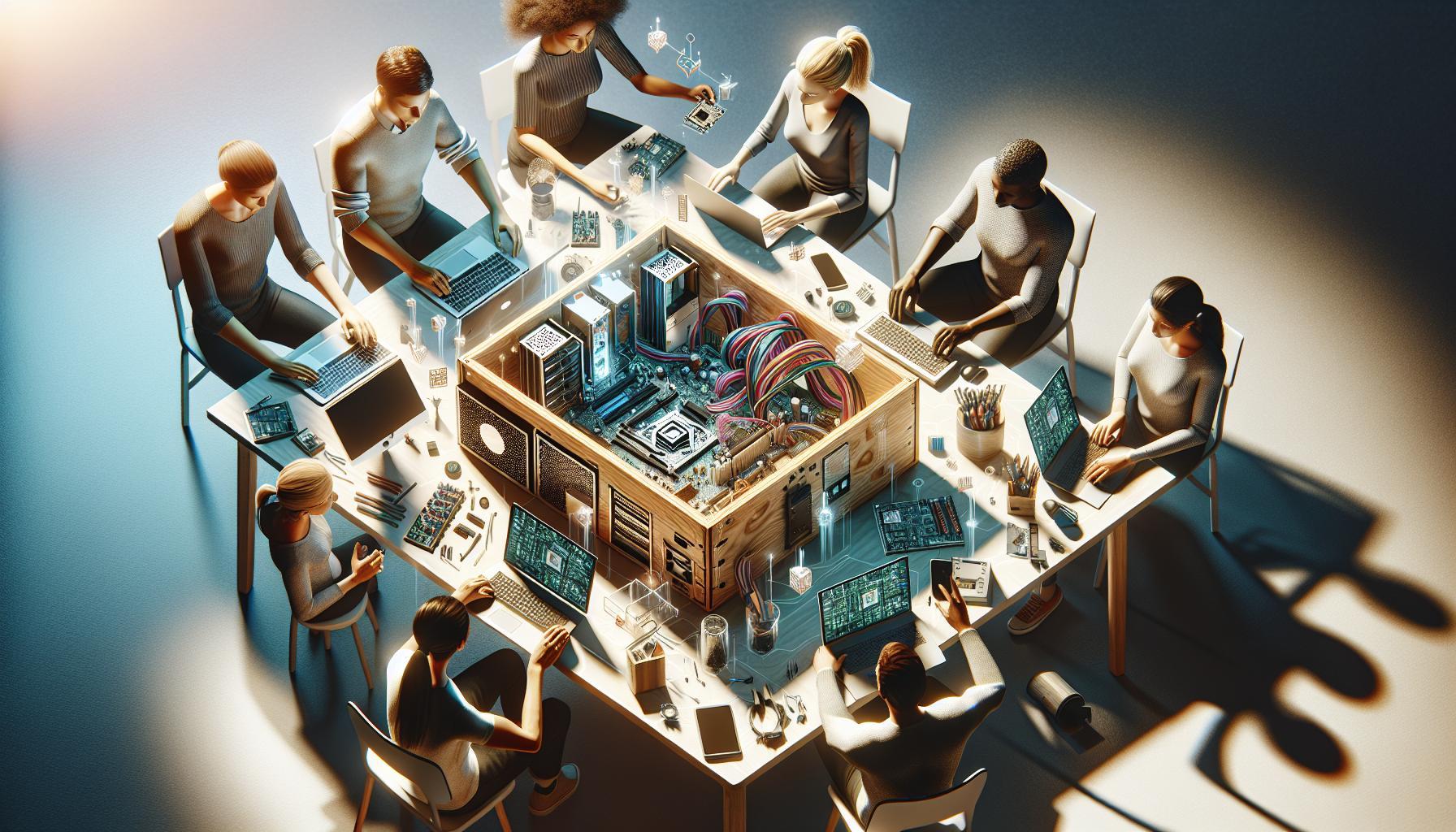

In the world of technology, it’s fascinating to think that one of the first computers was built from a simple wooden box. This fact not only highlights the ingenuity of early innovators but also illustrates how far we’ve come in the realm of computing. Understanding the roots of this invention can provide valuable insight into the evolution of technology and the relentless pursuit of innovation.
As we delve into the story behind this remarkable creation, you’ll discover the challenges faced by its creators and the groundbreaking ideas that sprung from such modest beginnings. This journey into tech history is not just about nostalgia; it also encourages us to appreciate the foundations of today’s sophisticated devices while inspiring us to embrace our own creative solutions in technology. Join us as we explore what company dared to start with a wooden box and transformed the landscape of computing forever.
What Company First Built a Wooden Box Computer?
The journey into the world of computing began with a blend of creativity and practicality, perhaps nowhere more intriguingly than in the creation of wooden box computers. The first company renowned for this innovative approach was the Mark-1, designed by IBM and launched in the early 1940s. Though not entirely made of wood, early prototypes and models featured wooden elements, particularly in their enclosures and structural frameworks. This decision stemmed from the materials available at the time, as wood offered both durability and the necessary insulating properties for electronic components, helping to mitigate static electricity and interference.
As technology advanced, other companies followed suit, inspired by the functionality and design of these early creations. Building computers from wood set a precedent for experimenting with differing materials in electronics, leading to the realization that even unconventional choices could produce reliable machines. In many ways, these wooden box computers were not just technological innovations but also reflections of the designers’ ingenuity, combining artistic elements with engineering principles to meet the challenges of the era.
The legacy of such wooden computers paved the way for ongoing exploration in computer design. While today’s devices boast sleek, metal casings and advanced composites, the essence of innovation remains rooted in that era of experimentation. Understanding this history encourages technology enthusiasts to appreciate the evolution of computing, fostering a sense of empowerment as we continue to explore new materials and methods in modern technology development.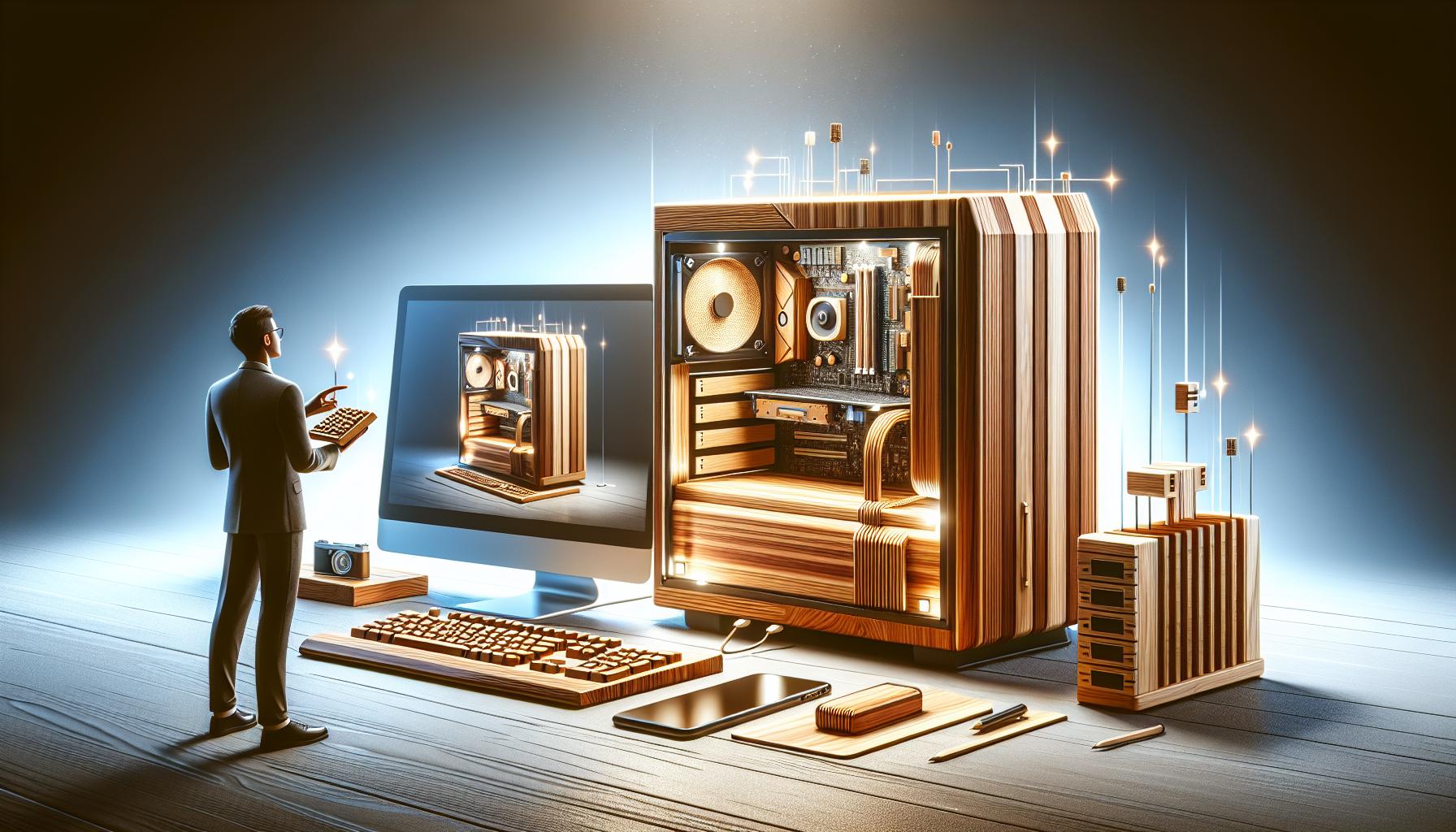
The Fascinating History of Wooden Computers
In the early days of computing, innovation often emerged from necessity and resourcefulness, giving rise to some of the most memorable creations in technology history. Wooden computers are a fascinating chapter in this story, showcasing an era when engineers turned to readily available materials, including wood, to build their machines. One prominent example is the Mark-1, developed by IBM in the early 1940s. While not entirely constructed from wood, the Mark-1 incorporated significant wooden elements in its framework and casing. This design choice was influenced by the characteristics of wood, which provided durability and effective insulation for the electronic components within the machines.
The use of wood in early computer design also reflected a broader commitment to experimentation and inventive problem-solving. As companies began to realize the potential of different materials, the wooden box computer design inspired numerous engineers and manufacturers. This shift towards utilizing unconventional materials not only met the functional requirements of the time but also allowed for more artistic expressions in technology. Elements such as craftsmanship and aesthetic appeal became intertwined with engineering principles, leading to creations that were both beautiful and practical.
As technology progressed, the legacy of wooden computers paved the way for ongoing innovations in computer design. Today’s devices, often crafted from sleek metals and advanced plastics, owe part of their evolution to the bold decisions made by early pioneers who were unafraid to think outside the box-literally and metaphorically. By understanding this history, technology enthusiasts can appreciate the roots of modern computing, encouraging a sense of curiosity and exploration in their own tech journeys. Embracing this blend of creativity and functionality remains crucial as we navigate the ever-evolving landscape of technology.
Key Innovations Behind Early Computing
Innovation has always been at the heart of computing, and many remarkable advancements can be traced back to the early pioneers who dared to experiment with their environments. One of the noteworthy innovations in early computing is the design and use of wooden box computers. These devices showcased not just ingenuity but also the versatility of materials available at the time. The incorporation of wood lent itself to benefits that went beyond aesthetics; it offered electrical insulation, ease of craftsmanship, and even an element of warmth to the otherwise cold, metallic landscape of early electronics.
Materials and Design Innovations
Engineers often faced challenges in housing sensitive electronic components. Wood provided a practical solution: its natural insulating properties helped prevent electrical interference while also enabling easier modification compared to metals. The construction of wooden cases allowed for smoother curves and ergonomic shapes that would be difficult to achieve with rigid metals. Such design flexibility enabled inventors to create machines that were not only functional but visually appealing. For instance, early computers like the IBM Mark-1 utilized wooden components for both structural integrity and aesthetic warmth, bridging the gap between machine and user.
A Blend of Function and Artistry
The artistry in wooden box computers was not merely incidental. It signified a revolution in how technology could be perceived. Makers began to explore how machines could resonate with users on an emotional and experiential level. This approach is reflected in modern computing devices, where user experience design plays a pivotal role. The integration of artistic design with functionality in these early wooden computers laid the groundwork for future innovations that focus on human-centered technology.
Embracing a Spirit of Experimentation
The innovative spirit of using wood also inspired engineers and manufacturers to think outside conventional boundaries. Each wooden machine represented a unique challenge that encouraged creative problem-solving. For example, early computer builders might have adapted designs from furniture, applying knowledge of joinery and craftsmanship to construct durable and efficient devices. This willingness to explore unconventional materials and methods reflects the broader ethos of early computing-a commitment to innovation driven by necessity and creativity, elements that remain relevant in today’s technological landscape.
The legacy of these innovations continues to influence modern technology as we strive for functionality blended with aesthetics. As technology enthusiasts, recognizing and honoring this history empowers us to explore our creative capacities in the ever-evolving world of tech. The use of non-traditional materials not only meets functional requirements but also invites an artistic touch-a lesson that resonates profoundly as we envision the future of computing beyond mere metals and plastics.
How the Wooden Box Shaped Computer Design
The clever use of wood in early computer design not only transformed how these machines looked but also shaped their functionality and user interaction. As the first computers were developed, engineers and designers employed wooden boxes to house sensitive electronic components, primarily due to the material’s excellent insulating properties. This natural insulation helped to minimize electrical interference, ensuring that the delicate circuits could operate effectively without disruption. Furthermore, the malleability of wood allowed for creative liberty in shaping designs, producing curves and forms that metal constructs could rarely achieve.
Incorporating wood into computer design led to an evolution in aesthetic appeal. The warmth and organic feel of wooden exteriors fostered a sense of familiarity and connection for users, which starkly contrasted with the cold, sterile vibe of metal devices. Early models, such as some prototypes from firms like IBM, utilized wood not merely for function but also as a nod towards creating machines that were approachable and less intimidating. Consequently, this combination of utility and artistry paved the way for a broader acceptance of computers among the public, significantly influencing user experience design.
Moreover, early wooden box computers spurred a spirit of experimentation that encouraged engineers to think creatively. Traditional furniture-making techniques influenced methods used in crafting these early machines. As a result, builders often drew on their expertise in joinery and woodworking to construct durable and efficient devices, integrating functionality with craftsmanship. This cross-pollination of ideas continues to resonate today, as modern computer design increasingly seeks to blend advanced technology with human-centric aesthetics. The journey from wooden boxes to sleek, modern designs highlights how innovation thrives when conventions are challenged, a valuable lesson for today’s tech developers.
The legacy of these innovative designs remains impactful; as technology evolves, the underlying principles of functionality and beauty established by wooden box computers still inspire contemporary designs. This historical lens serves as a reminder that embracing diverse materials and methodologies can lead to breakthroughs that drive the industry forward.
Legacy of the Company That Built the First Computer
The pioneering company that built its first computer from wood not only set the stage for technological innovation but also left a lasting legacy that echoes through the corridors of modern computing. In the mid-20th century, as the world stood on the brink of a digital revolution, this firm demonstrated that functionality could harmoniously coexist with artistry-a principle that still inspires designers and engineers today.
This company chose wood not only for its excellent insulating properties but also for its aesthetic qualities. By crafting their computers from wood, they invited users into a new realm of technology that felt warm, inviting, and approachable, unlike the cold metals and plastics of later devices. As users engaged with these early machines, the tactile experience of interacting with polished wood created a sense of familiarity-a significant factor in alleviating the intimidation often associated with cutting-edge technology.
Influence on Modern Design
The influence of this company extends beyond the initial designs of wooden computers; the ethos of integrating natural materials and user-friendly design continues to resonate in today’s tech landscape. Many modern furniture and tech manufacturers have adopted this philosophy, resulting in products that prioritize sustainability and aesthetics alongside functionality-showcasing how materials traditionally associated with craftsmanship can lead to innovative technological solutions.
Furthermore, the early experimentation with wooden designs laid the groundwork for contemporary explorations in material science and product design. Today’s tech developers can learn from the freedom and creativity exhibited by early engineers who recognized the potential of unconventional materials. Emphasizing cross-disciplinary collaboration among various fields-like woodworking, design, and electrical engineering-can inspire fresh approaches to solving modern design challenges.
The legacy of this company reminds us that innovation thrives in environments where creativity meets technical know-how. As technology continues to evolve, the foundational principles established by those early wooden box computers serve as a testament to the power of thinking outside the box-literally and figuratively-encouraging future generations to explore new materials and methods in a constantly changing digital landscape.
Exploring the Technology of Wooden Box Computers
The innovative design choices in the construction of wooden box computers reveal much about the early days of computing technology. These remarkable machines not only represented a leap forward in functionality but also showcased how strategic material selection could influence user experience. One of the standout features of wooden computers was their unique construction, which contrasted sharply with the metal and plastic alternatives common in technology at the time.
Using wood as the primary material provided several advantages. For one, wood is an excellent insulator, minimizing heat transfer and protecting sensitive electronic components. This characteristic was particularly crucial during an era when overheating was a frequent issue with early circuits. Furthermore, the aesthetic appeal of polished wood not only made these machines visually striking but also fostered a connection with users who may have found the rigid, industrial look of metal appliances daunting. The tactile sensation of the wood offered a sense of warmth and approachability that made technology feel more accessible.
The technological foundations of these wooden computers often involved analog circuitry, with interlocking components designed to fit harmoniously within the wooden casing. Their innovatively designed interiors allowed for modular changes and upgrades, enabling early adopters to expand their machines over time. This kind of flexibility paved the way for modern computing, which often emphasizes upgradeability and customization.
While these wooden box computers have largely been replaced by sleek plastic and metal designs, their legacy continues to inspire contemporary tech. The use of sustainable materials and organic shapes in modern device design recalls the principles established by these innovators. As we explore advancements in materials science today, the intersection of technology and craftsmanship seen in wooden computers serves as a reminder that the best innovations often arise from a thoughtful blend of function and form. The early adoption of wood marked not just a technological milestone but also an enduring ethos that champions creativity in the design process.
Influence of Early Computers on Modern Designs
The creative spirit that drove the development of early wooden box computers has left an indelible mark on modern design, reminding us that the roots of technology often lie in the simplicity of nature. Early computers made from wood not only provided valuable insights into construction and functionality but also established a precedent for how design can influence user interaction and experience. Many contemporary devices still draw from this history, showcasing design principles that emphasize warmth, accessibility, and sustainable material use.
One key influence of these pioneering machines is their emphasis on ergonomics and user-centered design. Early designers understood that technology needed to be approachable and comfortable for users. This consideration led to shapes and materials that resonate with users on a personal level. Today, modern products often incorporate organic forms and intuitive interfaces that echo the inviting nature of wood. Manufacturers now frequently experiment with biodegradable materials and sustainable woods in their product lines, promoting environmental consciousness while enhancing aesthetics.
Furthermore, the modular designs of wooden computers laid the groundwork for the customization trends we see in contemporary technology. Just as early adopters upgraded their wooden machines to suit their needs, modern consumers expect to personalize their devices. This has expanded the tech market into a space where users can choose configurations that align with their individual preferences, reminiscent of the flexibility found in the wooden computers of the past.
The aesthetic charm of wooden designs continues to inspire modern creatives. Companies are integrating organic materials into everything from smartphones to furniture while acknowledging the lasting appeal of tactile, warm surfaces. This intersection of technology and craftsmanship serves as a reminder of the importance of design in making technology not just functional but also harmonious with human interaction. Exploring these influences reveals not only how far we have come but also how we can embrace the essence of early computerized innovation to fuel future advancements in technology.
Lessons Learned from Building with Wood in Tech
The journey of incorporating wood into computer design is more than a mere homage to the aesthetics of previous eras; it reveals valuable lessons about creativity, sustainability, and user connection in technology. The essence of crafting technology from natural materials like wood teaches us important principles that remain relevant in today’s fast-paced digital world.
One primary lesson learned is the significance of sustainable materials. As environmental concerns grow, the importance of using eco-friendly practices becomes apparent. Wooden components can be sourced from sustainable forests, allowing tech companies to reduce their carbon footprint while embracing a design philosophy focused on responsible material use. This trend can help consumers feel more connected to the products they use, knowing they are part of a sustainable lifecycle. Embracing wood not only enhances aesthetics but also aligns with a broader environmental ethos that today’s consumers are increasingly seeking.
Moreover, the tactile nature of wood creates a unique user experience that plastic and metal cannot easily replicate. The warmth of wood can evoke feelings of comfort and familiarity. This emotional aspect fosters deeper connections between users and their devices, highlighting the importance of user-centered design. Early wooden computers prioritized ergonomics, which is a practice that remains critical in today’s technology. Innovators can take cues from early wooden designs by focusing on shapes and surfaces that enhance usability and overall experience.
Finally, the modular approach seen in early wooden computers offers insights into customization. Just as users modified and upgraded their wooden machines, contemporary tech has increasingly inclined toward personalizable designs. This trend empowers consumers to tailor devices to their specific needs, reflecting individuality while enhancing user satisfaction. Understanding how early designs catered to user modifications can inspire modern tech companies to create versatile products that address diverse consumer preferences.
In conclusion, the lessons from building with wood in technology extend beyond mere aesthetics or nostalgia. They encompass sustainability, emotional connection, and customization-key elements that can guide the development of future innovations. Emphasizing these factors can help bridge the gap between technology and users, creating products that resonate on both a functional and emotional level.
Collectible Vintage Computers: What to Know
There’s something inherently captivating about vintage computers, especially those crafted from wood, that captures the imagination of collectors and tech enthusiasts alike. These early devices are not just relics; they represent a fascinating intersection of craftsmanship and technological innovation. If you’re considering diving into the world of collectible vintage computers, there are several key points to keep in mind.
First, understanding the history and significance of wooden computers is essential. For instance, the unique designs of these machines often reflect the aesthetics and values of the era they were produced in, emphasizing natural materials over the plastics and metals that dominate modern technology. Collecting these vintage pieces allows you to preserve a tangible part of computing history. Be sure to research the specific models that interest you, as their historical significance can greatly affect their value.
Factors to Consider When Collecting
In addition to historical context, here are some practical tips to enhance your collecting experience:
- Condition Matters: The physical state of the computer plays a crucial role in its value. Look for pieces that are well-preserved, and keep an eye out for any signs of wear and tear that can diminish their appeal.
- Provenance and Documentation: A computer with a known history or accompanying documents such as original manuals can be more valuable. Sellers that can provide evidence of a computer’s history often ask for higher prices.
- Community Engagement: Joining forums or local collector clubs can provide valuable insights and networking opportunities. Engaging with other collectors can open doors to finding rare pieces or receiving advice on restoration.
- Restoration Skills: If you’re inclined toward DIY projects, learning basic restoration skills can significantly enhance your collecting experience. Knowing how to repair or restore a vintage machine can add to its longevity and personal value.
Collecting vintage wooden computers is not just about ownership; it’s about preserving a legacy, understanding the evolution of technology, and connecting with a community of like-minded enthusiasts. As you embark on this journey, you’ll find that every machine has a story to tell, making your collection truly unique while fostering a deeper appreciation for the innovations that have shaped our digital landscape.
Comparing Wooden Computers to Modern Models
Wooden computers, though often seen as relics of a bygone era, possess unique characteristics that set them apart from modern models. Their design ethos embraces the warmth and beauty of natural materials, often resulting in visually striking devices that showcase craftsmanship. In contrast, today’s computers predominantly favor plastics and metals for durability and weight considerations. This transition reflects a significant shift in manufacturing priorities, where functionality, portability, and cost-effectiveness take precedence over aesthetic qualities.
One of the most notable differences between wooden computers and their contemporary counterparts lies in their tactile experience. Vintage wooden models often feature smooth finishes and intricate designs that create a sensory connection between the user and the machine. This contrasts sharply with the cold, minimalist designs prevalent in today’s technology, which favor efficiency and uniformity over individual character. Collectors frequently cite this nostalgic connection to craftsmanship as a primary reason for their interest in wooden computers, fostering an emotional bond that modern devices rarely achieve.
Nonetheless, while vintage wooden computers may evoke a certain charm, they come with practical limitations. Many early machines lack the processing power and capabilities of modern devices, making them less suitable for today’s demanding applications. Modern computers not only offer enhanced performance and graphics but also incorporate advanced connectivity options and user-friendly interfaces. Furthermore, advancements in cooling technology and energy efficiency render contemporary models more viable for everyday use.
In summary, the exploration of wooden computer designs provides an intriguing glimpse into the evolution of technology. The striking differences in aesthetic and functionality underscore how user preferences and technological advancements have shaped computing devices over the decades. Collectors of wooden computers revel in their historical significance, while modern models deliver the performance needed for contemporary tasks, highlighting the diverse landscape of computing history.
The Role of Material in Computer Evolution
The transition from wooden materials to modern synthetics in computing devices profoundly illustrates how technology adapts to the needs of users and the environment. Although wooden box computers may seem like quaint relics of the past, they were innovative solutions to the challenges of early computing. Wood, being a readily available and easily workable material, allowed early manufacturers to explore the design and functionality of computing machinery without the advanced tooling that metals and plastics require. The aesthetic appeal of wood, combined with its natural insulation properties, offered unique advantages that resonated with users during the nascent stages of technology.
As technology progressed, the limitations of wood became more apparent. Modern computing demands efficiency, durability, and portability-attributes that wood cannot always provide. Materials such as aluminum and plastic emerged as favorites due to their lightweight nature, strength, and ease of mass production. Manufacturers sought materials that could withstand the rigors of modern use-toughened plastics, for instance, resist wear and tear more effectively than wood while allowing for sleek, compact designs that meet today’s consumer expectations for mobility and speed. Moreover, modern materials can be easily molded into complex shapes, supporting intricate designs and functionalities that wooden boxes simply cannot accommodate.
The evolution of materials in computer manufacturing also reflects shifts in consumer values and their relationship with technology. Today’s market favors not just functionality but also sustainability. This has sparked interest in reintegrating natural materials like wood, albeit in innovative ways. Manufacturers now experiment with combining wood with composite materials to create devices that retain the warmth and beauty of wood while benefiting from enhanced durability. This trend signifies a possible return to craftsmanship values where technology is both functional and aesthetically pleasing.
Ultimately, the trajectory of materials in computing-from wooden box computers to modern composites-highlights the dynamic interplay between technology, user needs, and environmental considerations. Addressing contemporary demands without entirely abandoning the past allows for a richer engagement with technology, making the experience not just about performance but also about personal connection to the devices we use. As technology continues to evolve, it will be fascinating to see how emerging materials shape the future of computing, potentially bridging the gap between nostalgia and innovation.
Future Tech: What’s Next After Wood?
The journey of computing materials has evolved dramatically since the days of early wooden box computers. As technology moves forward, innovative materials are stepping in to fill the gap left by traditional wood. One exciting direction is the exploration of hybrid materials that combine the best of both worlds, offering a nod to craftsmanship while meeting modern demands for durability and performance. The rise of smart textiles and biodegradable components is also worth noting-these materials are not only functional but also eco-conscious, capturing the interests of users who prioritize sustainability.
One promising development is the use of sustainable composites, where natural fibers, such as hemp or flax, are integrated into plastics. This blends the warmth and charm of natural materials with the robustness required for modern technology. Such innovations not only add aesthetic value to devices but also improve their structural integrity. For example, laptops made from these composites can offer a unique user experience that pays homage to the past while looking to the future.
Moreover, advancements in 3D printing technology are set to redefine the boundaries of what is possible in hardware design. With 3D printing, designers can create intricate and unique components from a variety of materials, including bioplastics and even organic materials. This opens up opportunities for personal customization, allowing users to have devices that reflect their style and needs, reminiscent of the handcrafted nature of early wooden designs but with the added durability and functionality that modern technology requires.
In summary, the future of computing materials is bright and diverse. The integration of sustainable and innovative materials aims to create devices that not only serve user needs efficiently but also foster a connection to the craftsmanship of earlier eras. As these trends continue to develop, we’ll likely see a fascinating blend of old-world aesthetics with cutting-edge technology, ushering in a new chapter in the evolution of computing. This could lead to an exciting era where our technological tools resonate with both our practical requirements and our emotional connections to the materials they are made from.
FAQ
Q: What was the first company to build a computer inside a wooden box?
A: The first company known to build a computer within a wooden box is believed to be IBM, which designed early computing machines that utilized wooden enclosures for functionality and aesthetics. This move helped establish a unique design identity in the computing field.
Q: Why did early computers use wooden boxes?
A: Early computers used wooden boxes primarily for material availability and ease of crafting. Wood provided durability and was readily available, serving as an effective shield for the delicate components housed within, while also fitting the design aesthetics of the time.
Q: How did wooden boxes influence computer design?
A: Wooden boxes significantly influenced computer design by introducing an aesthetic appeal that combined functionality with craftsmanship. This early design choice led to considerations of materials and form that continue to be relevant in modern computer architecture, reflecting a blend of technology and art.
Q: What challenges did wooden computers face in performance?
A: Wooden computers often faced challenges like heat retention and moisture absorption, which could impair performance. Additionally, the structural integrity of wood over time presented issues, prompting manufacturers to transition to more durable materials like metal and plastic in later models.
Q: Are wooden computers still manufactured today?
A: While traditional wooden computers are not commonly manufactured today, there is a niche market for custom-built wooden computer cases, appealing to enthusiasts who value aesthetics and craftsmanship. These modern builds often integrate contemporary technology with vintage design elements.
Q: How did the design of wooden computers evolve over time?
A: The design of wooden computers evolved from bulky, simplistic frames to more complex structures as technology advanced. Innovations in engineering allowed for better heat dissipation, leading to the gradual move away from wood to metals and plastics, while still drawing inspiration from the past.
Q: What are some notable innovations from wooden computer designs?
A: Notable innovations from wooden computer designs included the incorporation of modular components and aesthetic finishes that inspired future technology. The blend of art and engineering in wooden designs also influenced how companies approached user experience and product aesthetics in tech.
Q: Can you collect vintage wooden computers?
A: Yes, vintage wooden computers are collectible items, often sought after by enthusiasts and collectors. These machines represent a unique piece of computing history, with value influenced by rarity, condition, and historical significance, making them appealing for display and preservation.
Wrapping Up
Discovering which company built its first computer from a wooden box reveals the essential role of innovation in technology. If you’re fascinated by computer history or curious about other groundbreaking inventions, check out our articles on the evolution of computing and the most influential tech companies. Don’t miss the chance to deepen your understanding-sign up for our newsletter to receive the latest insights directly in your inbox!
Ready to put your knowledge to the test? Share your thoughts in the comments below or explore our comprehensive guides on the basics of computer hardware. Remember, each click leads you to exciting discoveries about the tech world. Keep exploring and stay ahead in your tech journey!